When Your Eyelashes Freeze and You Question Everything
Explore the surreal experience of eyelashes freezing in extreme cold and the deeper reflections it sparks.
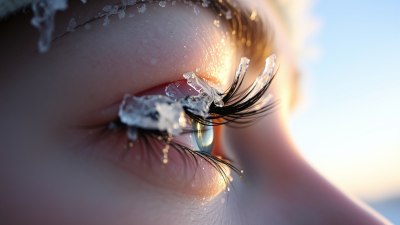
In the vast expanse of winter's coldest days, when the mercury plunges far below freezing, an unusual phenomenon captures the bewildered attention of anyone venturing outdoors: the freezing of eyelashes. This bizarre event, where individual lashes crystallize into delicate ice formations, turns a simple blink into a moment of surreal introspection. What starts as a physical reaction soon spirals into an unusual cascade of thoughts, prompting us to question even the most basic assumptions about our bodies, nature, and the perseverance of life itself.
The sensations accompanying frozen eyelashes are both thrilling and unnerving. As you stand amid the biting cold, you notice a subtle stiffness when blinking, a stark contrast to the usual effortless movement. The sensation of frozen lashes sticking together can feel unnatural, as if your body is betraying its own mechanisms of protection. The tactile experience of eyelid movements encumbered by icy filaments sparks curiosity about the physics behind the phenomenon and the fragility and resilience coexisting within the human body.
Scientific Underpinnings of Frozen Eyelashes
To understand how eyelashes freeze, one must first appreciate the environmental conditions necessary for such an occurrence. The process involves a combination of frigid air temperatures, moisture in the environment, and the natural moisture present on eyelashes, typically from tears or humidity.
When exposed to subzero environments, particularly below -10 degrees Celsius (14 degrees Fahrenheit), the moisture clinging to the eyelashes can quickly crystallize. This happens because the tiny droplets on the lashes rapidly lose heat, transitioning from liquid to solid state. Factors such as wind chill accelerate this process by increasing heat loss from the lashes, making them susceptible to the swift formation of ice crystals.
Moreover, the permeability and length of eyelashes provide an ideal surface for ice nucleation. The hairs trap moisture, which freezes and clings momentarily in crystalline chains. Even subtle movements like blinking can produce tiny snowflake-like flecks of frost falling gently from the lids, adding an almost magical quality to the frozen lashes’ appearance.
The Physical and Psychological Impact of Frozen Eyelashes
While the physical phenomenon is interesting on its own, the experience of having frozen eyelashes often triggers a more profound internal dialogue. The human eye, protected by its eyelids and lashes, is a vital organ—any impairment feels immediately disorienting. When the lashes freeze, it disrupts this primary defense mechanism, manifesting as a momentary vulnerability. This vulnerability invites introspection on human fragility in the face of nature’s extremes.
Frozen eyelashes can briefly impair vision due to the discomfort or obstruction caused by icy lashes sticking together. As normal blinking becomes more laborious, you become acutely aware of every sensory input and bodily function normally taken for granted. Such awareness can lead to a reevaluation of simple biological processes and, by extension, the broader human relationship with our environment.
The psychological response often involves questioning reality. You might ask yourself how such an event is even possible—eyelashes, after all, are part of the body and warm by nature. This dissonance between expectation and experience sparks the sensation that the natural laws you know are bending, creating a surreal cognitive space that borders on the magical or unreal.
Cultural and Literary Symbolism of Frozen Eyelashes
Across cultures and literature, frost and freezing imagery often symbolize purity, stillness, or emotional coldness. The freezing of such an intimate part of the face as the eyelashes conveys a layered symbolism. Eyelashes shield the eyes, which are frequently described as windows to the soul. When eyelashes freeze, it evokes a metaphor of emotional or spiritual stagnation—where perception is momentarily obstructed or the soul is caught in a frozen moment in time.
Writers and poets have often used frost and ice as devices to explore themes of isolation or vulnerability. In this vein, frozen eyelashes become an evocative metaphor for moments when a person feels stuck between warmth and coldness, motion and stillness, hope and despair. The delicate nature of eyelash frost parallels how fragile yet essential such emotional states are.
Practical Experiences and Coping Mechanisms
For those living or working in extreme cold climates, the freezing of eyelashes is a known, if uncommon, annoyance. Outdoor enthusiasts, mountaineers, and polar researchers sometimes encounter this phenomenon, leading to practical strategies for mitigation. Wearing goggles or snow glasses can significantly reduce exposure of eyelashes to cold and moisture, preventing the frost from forming.
Some use special hydrating eye drops designed to maintain moisture balance without contributing to ice build-up. Additionally, applying petroleum jelly or similar protective ointments around the eyes before exposure can serve as a barrier against moisture freezing. However, precautions must be taken to avoid irritation or compromise of vision.
Beyond physical solutions, mental preparation helps individuals cope with the sensation of frozen lashes. Understanding that the discomfort is temporary and reversible provides comfort. Awareness of how the body reacts to extreme cold fosters a greater appreciation for human adaptability and resilience.
Broader Implications for Human-Nature Interaction
The experience of eyelashes freezing underlines the intimate, often overlooked interactions between the human body and the environment. It is a reminder that our bodies are not isolated entities but rather constantly responding and adapting to external conditions. Such phenomena encourage a deeper respect for nature’s power and unpredictability.
Moreover, it invites reflection on the limits of human perception and endurance. Until experiencing something like frozen eyelashes, one may not fully grasp the harsh realities of extreme weather. This realization can inspire new attitudes toward climate, survival strategies, and outdoor preparedness.
In a metaphorical sense, frozen eyelashes encapsulate moments of awe and humility amidst nature's grandeur—unexpected, ephemeral, and profoundly instructive.
Personal Narratives and Anecdotes
Many who have encountered frozen eyelashes recount mixed feelings of amusement, disbelief, and fascination. One mountaineer described how, upon ascending a peak in subzero temperatures, he noticed his eyelashes stiffening and clumping together. Wiping them gently, he watched as delicate shards of ice melted away, marveling at the surreal beauty of the frozen patterns.
Another story comes from a photographer who documented polar wildlife during winter. She found that the cold not only affected her equipment but also transformed her own eyelashes into tiny icicles, creating a living artwork that her camera could not fully capture. These personal accounts underscore the blend of physical reality and emotional resonance that frozen eyelashes provoke.
Medical Perspectives and Considerations
Medically, frozen eyelashes are typically harmless if promptly addressed; however, prolonged exposure can contribute to eye irritation or even frostbite on surrounding skin tissues. Ensuring proper eye protection in extreme cold environments is vital to prevent damage.
Individuals with certain skin conditions or eye sensitivities may experience exacerbated symptoms from cold exposure, including redness, dryness, or inflammation. Consulting with healthcare professionals on the best protective measures is recommended for vulnerable populations.
In rare cases, the combination of frozen lashes and prolonged blinking difficulty could pose risks to ocular health. Awareness and education about this unusual cold-weather hazard are important both for medical providers and those at risk.
Technological Innovations Addressing Cold Weather Eye Protection
Advances in fabric technologies and materials science have led to the development of specialized eyewear and protective gear designed to minimize freezing issues. For example, thermal goggles with anti-fog coatings and insulation layers are widely used in polar research and winter sports, helping maintain clear vision without moisture accumulation.
Researchers continue exploring smart textiles that regulate temperature and moisture, aiming to protect body areas like eyelashes and eyelids from frost buildup. These innovations not only enhance comfort but also improve safety for people operating in extreme environments.
Environmental Factors and Geographic Prevalence
Frozen eyelashes are more commonly observed in polar regions, high-altitude mountain ranges, and during severe cold snaps in temperate zones. The unique combination of low temperatures and often dry yet moist air conditions create ideal settings for this phenomenon.
Seasonal variations play a crucial role; the onset of winter with rapid temperature drops increases the likelihood of frozen eyelash formation. Wind speeds and humidity levels also modulate the risk, making some days far more prone to this icy effect.
Psychological Reflections Emergent from the Phenomenon
Experiencing frozen eyelashes also sparks creative and philosophical questions about impermanence, control, and adaptation. The fragility of the frozen lashes reflects life's ephemerality — how quickly something seemingly solid can melt away. It recalls broader themes of change and transformation woven throughout nature and human experience.
Furthermore, the momentary disruption in normal function causes a break in routine perception, highlighting how much we rely on habitual bodily sensations for a sense of normalcy. This disruption can open a gateway to mindfulness, deeper awareness, and self-inquiry.
Artistic Representations Inspired by Extreme Cold Phenomena
Artists working in cold climates have drawn inspiration from incidents like frozen eyelashes to explore themes of vulnerability and resilience. Paintings, photographs, and sculptures often depict frost-coated faces where individual lashes are visible as crystalline forms, symbolizing endurance against harsh conditions.
Such artistic expressions invite viewers to appreciate the delicate balance between exposure and protection, the intimate beauty found in nature's coldest reaches, and the emotional depth beneath physical survival.
Tips For Experiencing Cold Weather Safely
For anyone curious about or anticipating exposure to environments cold enough to freeze eyelashes, preparation is key. Dress in layered clothing that retains heat, wear quality eye protection, and keep hydration levels high to maintain body moisture.
Regular breaks indoors to warm up can prevent excessive moisture buildup and frost formation on lashes. Avoid rubbing eyes aggressively, which could damage sensitive skin and hair follicles. Awareness and respect for your body's signals during cold exposure are paramount in maintaining comfort and health.
Understanding the dynamics of frozen eyelashes enriches our appreciation of the subtleties in nature’s design and human physiology. Whether encountered briefly on a winter hike or extensively during long polar expeditions, this curious occurrence challenges us to rethink the boundaries of our experience and encourages an appreciation for the extraordinary moments hidden in everyday defiance of winter's chill.