How to Dress for Winter in 27 Unpredictable Layers
Master winter dressing with 27 practical and unpredictable layers to stay warm, comfortable, and stylish in any cold weather condition.
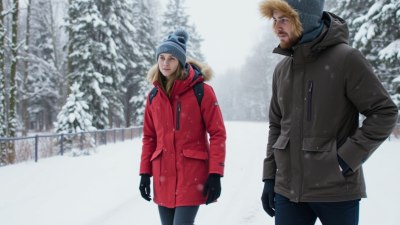
Image created with Flux Schnell
Winter dressing can often feel like a daunting task, especially when the weather turns unpredictable. The key to staying warm and comfortable is layering, but not just any layers - we're talking about 27 innovative and practical layers that you can mix and match based on your unique winter needs. This comprehensive guide will help you understand how to dress for winter effectively by mastering the art of layering. From base layers to outer shells, accessories to insulation, you will learn how to navigate winter’s cold with confidence and style.
Understanding the Philosophy of Layering
Layering is more than simply putting on multiple items of clothing; it’s about strategically combining pieces with different functions to trap heat, wick moisture, and shield you from wind and precipitation. The traditional method usually includes three layers: a base, a middle (insulation), and an outer shell. But in our approach, we dive deeper to untangle 27 distinct layers that cover everything from underwear to outerwear, ensuring maximum flexibility and warmth.
Base Layers: The Foundation of Warmth and Moisture Control
The base layer plays a critical role in keeping sweat away from your skin. Moisture management is essential because wet skin chills faster. Start with these four base layer options:
1. Thermal underwear made from merino wool or synthetic fibers provides excellent moisture-wicking and insulation. 2. Lightweight silk long underwear, which is thin yet warm and comfortable. 3. Synthetic blends like polyester or polypropylene, great for high-activity days because of fast-drying features. 4. Baselayer tops and bottoms with fitted construction to trap heat close to your skin.
Second Base Layer: Added Warmth and Comfort
On colder days, a second thinner base layer can give additional warmth without bulk. Options include:
5. Thin fleece shirts that provide softness and insulation. 6. Lightweight wool or synthetic crew necks. 7. Compression tops and bottoms to enhance blood flow and thermoregulation. 8. Seamless thermal tops to reduce chafing under heavier layers.
Mid Layers: Insulation and Heat Retention
Next come your main insulation layers. These are designed to trap body heat effectively.
9. Classic fleece jackets or pullovers made from polyester or microfleece. 10. Wool sweaters, such as thick lambswool or Icelandic styles, known for their warmth and breathability. 11. Puffy down vests to add core body warmth without restricting arm movement. 12. Synthetic insulated jackets like those filled with PrimaLoft, which retain heat even when wet. 13. Softshell jackets that combine light wind resistance with insulation. 14. Quilted cotton or polyester shirts for casual insulated layers. 15. Hybrid jackets that mix insulation with water resistance for versatility.
Outer Layers: Protection Against Wind, Rain, and Snow
The outer shell is your shield against elements like wind, rain, and snow. Here are essential layers to consider:
16. Waterproof and breathable hardshell jackets, usually made from Gore-Tex or similar fabrics, to keep out moisture and wind. 17. Insulated hardshells that combine warmth and waterproof protection in one. 18. Water-resistant softshells, ideal for dry cold weather and light precipitation. 19. Windbreakers with lightweight insulation layers for mild winter days. 20. Parkas with fur-lined hoods, extending coverage and blocking wind effectively. 21. Rain pants or bibs to shield your lower body during wet snow or sleet.
Specialized Layers: For Added Warmth and Comfort
These layers are often overlooked but make a big difference when the temperature drops significantly.
22. Heated vests or jackets powered by battery packs, providing customizable warmth on demand. 23. Thermal insulated underwear or leggings designed to fit snugly beneath pants. 24. Wool or fleece neck gaiters and balaclavas that lock warmth around vulnerable neck and face areas. 25. Layered gloves: inner liner gloves and insulated over-mittens to combat frostbite risk. 26. Wool or thermal socks in multiple layers to ensure foot warmth and moisture control. 27. Insulated boots with removable liners, often layered with thick wool socks and liners for extreme cold.
Materials Matter When Layering
Choosing the right materials for each layer is crucial. Natural fibers like merino wool are excellent for base layers because they wick moisture, reduce odor, and provide warmth even when damp. Synthetic fabrics like polyester and nylon are typically durable, quick-drying, and perfect for mid and outer layers. Down insulation is highly compressible and warms well but can lose its effectiveness if it gets wet, whereas synthetic insulation retains heat when damp. Understanding these differences helps you mix layers to suit your activity level and weather conditions.
Layering For Different Activities
The exact combination of layers depends on what you plan to do. For high-intensity activities such as skiing, snowshoeing, or winter hiking, moisture-wicking base layers and lightweight insulation will keep you dry and regulated. For more sedentary activities like watching outdoor sports or walking in town, thicker mid layers and heavier insulated outer shells are key. Always remember that you can add or remove layers promptly to avoid overheating or chilling.
Innovative Layering Techniques
Pairing layers isn’t always straightforward, but some clever techniques can improve function and comfort. For example, using zippered venting options in mid and outer layers can control airflow. Wearing a moisture-wicking liner glove beneath waterproof mittens traps warmth. Mixing different insulation types in layers, such as a down vest over a fleece, leverages the distinct benefits of each. Consider layering garments with articulated sleeves and ventilation zippers to maintain a full range of motion.
Practical Tips for Packing and Wearing Multiple Layers
When preparing for a winter day, plan your layering based on weather forecasts and the duration of your exposure. Pack thin layers that can be easily folded or stuffed into pockets, allowing you to adjust on the go. Avoid bulky items that hinder movement or create pressure points under straps or backpacks. Using compression sacks for insulated layers can minimize volume in your pack. Additionally, choosing neutral base colors under brightly colored outer shells helps keep your look coordinated.
Accessories as Essential Layers
Don’t overlook the importance of accessories in your layering system. Hats, scarves, gloves, and even layered eyewear play a vital role in maintaining warmth. For example, wearing multiple hats—a thin cap beneath a thicker wool hat—helps regulate head heat. Layered scarves or neck gaiters protect your neck and lower face from cold wind without restricting movement. Sunglasses or goggles layered over prescription glasses or ski masks protect your eyes while completing your warm approach.
Layering for Extreme Cold versus Mild Winter
The 27 layers we discuss enable you to customize your winter wardrobe from mild chill to extreme cold. For mild winters, you might only need base layers, thin insulation, and a lightweight shell. For severe cold, adding more insulated mid layers, thicker base layers, and specialized waterproof outerwear are necessary. Flexibility is key; the goal is to avoid overheating on sunny winter afternoons yet stay comfortable on frosty mornings and cold winds.
Maintaining and Caring for Your Winter Layers
Proper care extends the life and performance of your winter layers. Follow manufacturer instructions for washing, typically cold water and gentle cycles for synthetics and wool. Avoid fabric softeners as they can reduce moisture-wicking capabilities. Use specialized detergents for down insulation to maintain loft and warmth. After use, air out damp layers to prevent odors and mildew. Store layers flat or hung to maintain shape, especially for insulated garments. Regularly inspect layers for wear and tear, repairing small rips or replacing damaged zippers to ensure optimum performance.
Modern Technology Enhancing Layering
Advancements in fabric technology have transformed winter layering into a more efficient process. Breathable waterproof membranes like Gore-Tex, eVent, and NeoShell offer protection without sacrificing ventilation. Phase-change materials regulate temperature by absorbing and releasing heat. Incorporation of silver or copper-infused fibers provides antimicrobial properties reducing odor. Heated apparel with smartphone-controlled temperature settings enhances comfort during the coldest days. These innovations mean layering no longer requires sacrificing style or comfort for function.
Seasonal and Sustainability Considerations
Sustainability is increasingly important when selecting winter layers. Look for brands committed to ethical sourcing, recycled materials, and environmentally friendly manufacturing. Merino wool sourced from farms practicing animal welfare and regenerative agriculture is preferable. Synthetic fabrics made from recycled plastics reduce environmental impact. Investing in high-quality, durable layers reduces waste because you replace items less frequently. Seasonal considerations also mean storing seasonal gear properly and rotating layers to prevent fabric fatigue.
Styling Your 27 Layers For Everyday Wear
Wearing 27 layers doesn't mean sacrificing style. By coordinating colors, textures, and fits, you can build a winter ensemble that looks polished yet performs under harsh conditions. Use neutral tones for base and mid layers, accented by bolder colors or patterns in your outerwear and accessories. Layer thin tops under sweaters for a classic look, and use tailored outer shells that sleekly fit your silhouette. Don't forget that scarves, hats, and gloves also offer opportunities to express personal style while providing vital warmth.
Layering Mistakes to Avoid
Avoid common layering mistakes such as overdressing and underdressing. Too many bulky layers can restrict movement and cause overheating, leading to sweat buildup and increased chill once you stop moving. Using cotton as a base layer is a frequent error because cotton retains moisture and can make you colder. Skipping accessories like hats and gloves can expose vulnerable body parts. Avoid tight or restrictive clothing that hampers circulation and reduces insulation efficiency. Instead, choose breathable, stretchy fabrics that accommodate natural body motions.
Step-by-Step: How to Assemble Your 27 Layers
To assemble these 27 layers effectively, start from the inside out:
1. Choose your primary base layer (thermal underwear). 2. Add a second base layer if needed for additional warmth. 3. Put on your selected insulating mid layers, such as fleece jacket and wool sweater. 4. Layer on specialized insulators such as a down vest or heated jacket. 5. Top with your waterproof and windproof outer shell. 6. Add neck gaiters, balaclavas, and hats to protect your face and head. 7. Wear layered gloves and insulated socks inside appropriate winter boots. 8. Use outer pants and rain protection as needed for the lower body. This system allows you to adapt fluidly to changes in temperature and activity.
Innovative Layering for Travel and Mobility
When traveling or commuting in winter, packing bulky clothing can be challenging. Instead, select versatile layers that combine warmth and packability. Thin down jackets compress easily and can be layered under waterproof shells. Convertible garments with removable liners provide options for varying conditions. Multi-use scarves and neck gaiters double as face masks or headbands. Footwear with removable liners and moisture-wicking socks keeps feet dry and warm. These strategies reduce bulk and maximize comfort.
Personalizing Your Layering System
Everyone’s tolerance to cold varies. Experimenting with combinations of the 27 layers allows you to discover your personal sweet spot for warmth and comfort. Keep a journal or notes about which layers work best under certain weather and activity conditions. Adjust your system seasonally as temperatures fluctuate. Taking this individualized approach makes winter dressing less frustrating and more effective.
By mastering these 27 unpredictable layers, you can conquer winter weather with ease. Layer smartly with the right materials, techniques, and accessories, and you’ll stay warm, dry, and comfortable no matter what the season throws at you.