Why Winter Turns Everyone Into Amateur Meteorologists
Explore why winter sparks widespread interest in weather, turning many into keen amateur meteorologists eager to understand the cold season’s challenges.
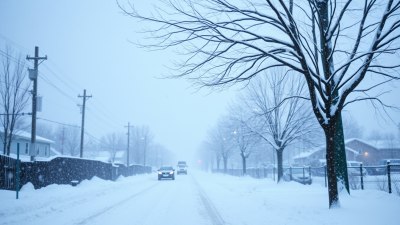
As the colder months approach, a curious phenomenon occurs across countless communities. People who normally show little interest in weather begin closely monitoring forecasts, discussing snowstorms in depth, and debating the precise timing of winter’s next icy intrusion. This seasonal surge in weather curiosity effectively transforms much of the population into amateur meteorologists. But why does winter have such a potent effect on our collective attention toward meteorology? Understanding this requires exploring several intertwined factors that make winter weather both fascinating and vitally important to daily life.
The primary reason winter drives widespread weather interest lies in its direct impact on safety and routine. Unlike summer’s warmth, which is often leisurely enjoyed, winter’s cold, snow, ice, and storms carry significant hazards. For many regions, severe winter weather can disrupt travel, threaten power supplies, and even pose serious health risks due to hypothermia or accidents on icy roads. These stakes naturally prompt people to pay close attention to weather forecasts, seeking advance warning that helps them prepare adequately. When a snowstorm or freezing rain is predicted, residents begin planning their logistics—checking if schools will close, ensuring adequate heating fuel, stocking up on groceries, or rearranging travel plans. This need to mitigate winter’s risks expands public engagement with weather data and forecasts.
Beyond practical concerns, winter’s dynamic and visually striking weather phenomena captivate human curiosity. Snowflakes, with their intricate and unique crystalline patterns, offer a beautiful natural spectacle that sparks wonder. Blizzards, sleet, and freezing rain form complex systems that challenge scientific explanation yet manifest dramatically across landscapes. This blend of aesthetic intrigue and scientific complexity encourages many to inquire about the underlying atmospheric processes involved. Meteorology, studying atmospheric conditions, weather patterns, and climate variables, provides explanations that satisfy this intellectual curiosity. Winter’s weather systems, often more organized and intense than those of other seasons, give amateurs a compelling subject for observation and learning.
In addition, technological advances have played a pivotal role in fueling amateur meteorology during winter. Modern digital devices, weather apps, and online radar maps offer real-time updates and detailed forecasts at people’s fingertips. Unlike earlier eras when weather information was limited to daily newspaper forecasts or periodic radio broadcasts, today’s technology enables continuous, interactive engagement. Social media platforms also contribute, where users share observations, photos of snowfall, and local alerts, creating a community of winter weather enthusiasts. This accessibility demystifies meteorological data and empowers individuals to track storm development, precipitation types, wind chill effects, and temperature trends independently. As a result, casual observers become more informed and confident in understanding meteorological concepts and jargon.
Psychological factors also explain why winter prompts amateur meteorology. Humans have an innate desire to predict and control their environment, and weather—being an unpredictable aspect of nature—naturally challenges this drive. Winter intensifies weather variability, with rapid temperature swings, mixed precipitation, and shifting storm paths keeping people on alert. This uncertainty fuels a form of hyper-vigilance, where obtaining and interpreting detailed weather information reduces anxiety about hazardous conditions. By becoming knowledgeable about snow accumulation rates, ice formation, or wind chill implications, individuals gain a sense of mastery. This boosts self-efficacy and preparedness, transforming passive weather consumers into active participants in interpreting meteorological data.
Furthermore, winter’s cultural significance plays an important role. Many societies celebrate the changing season with festivals, traditions, and lore centered on cold and snow. These cultural ties foster heightened awareness and appreciation of winter’s character. For instance, communities dependent on winter sports or seasonal tourism have practical motivations to track conditions meticulously, becoming well-versed in snow quality, frost depth, and avalanche risks. This cultural embedding of winter weather experience reinforces the desire to learn more about meteorology. For children and families, snow days bring joy and disruption, inspiring storytelling and weather-related education that deepens communal interest in atmospheric events.
The educational system also influences the winter meteorology phenomenon. In many schools, winter weather becomes an engaging topic in science curricula, providing hands-on learning opportunities about states of matter, phase changes, precipitation formation, and climate dynamics. This formal introduction to meteorological principles often ignites a lifelong fascination. Winter’s tangible, observable effects help abstract scientific concepts feel relevant and meaningful. Children bring their enthusiasm home, engaging their families in weather discussions, contributing further to society’s collective amateur meteorology.
Media coverage intensifies winter’s impact on public interest in weather. News outlets provide detailed storm tracking, safety advisories, and expert analysis during winter months, making meteorology highly visible. Eye-catching graphics, live updates, and dramatic reports capture attention and elevate weather conversations to community-level awareness. This saturation of winter weather information both reflects and amplifies human interest. Seasonal challenges like snow removal, road conditions, and school closures become shared topics of concern, encouraging people to understand meteorological causes and forecasts more deeply.
Community preparedness programs also nurture the winter amateur meteorologist trend. Emergency services, local governments, and advocacy groups emphasize the importance of weather awareness for safety. Public campaigns educate citizens on frostbite prevention, safe driving in icy conditions, and emergency kit preparation. These initiatives routinely reference meteorological details and forecast interpretation, equipping individuals with knowledge and tools. By situating weather understanding as a civic duty during winter, such programs stimulate proactive learning of meteorology among the general public.
Seasonality itself contributes biologically to increased weather attention in winter. Reduced daylight hours and lower temperatures influence human circadian rhythms and energy levels, sometimes leading to increased time spent indoors. This contrast from summer’s outdoor lifestyle can shift activity focus toward internal environments and media consumption, including weather-related content. Moreover, cold conditions create a tangible experience of environmental influence, making weather more salient to daily comfort and behavior. This physiological and experiential shift heightens sensitivity to meteorological changes.
Global climate change adds another dimension to wintertime meteorological engagement. As weather patterns become more erratic, with unusual snowfall events or shifting storm intensities, there is growing public motivation to understand and track these changes. Unpredictable winter conditions provoke questions about broader climate trends and stimulate interest in meteorology as a means of interpreting environmental transformations. This context elevates amateur meteorology from mere curiosity to a form of environmental awareness and activism.
Technological learning tools enhance this understanding further. Educational software, interactive weather simulations, and citizen science projects allow people to engage directly with meteorological data and phenomena. Platforms inviting public contributions of local weather observations not only collect valuable scientific data but also foster a participatory culture around winter weather analysis. Such engagement deepens comprehension and community connection, supporting the wintertime spike in amateur meteorologists.
Winter also sharpens appreciation for weather unpredictability and its limits. Despite advanced forecasting models, winter storms can shift course suddenly, snow amounts may deviate unexpectedly, and ice thicknesses can vary dramatically. This occasional forecasting uncertainty encourages people to develop basic interpretive skills to assess risks more judiciously rather than relying solely on official reports. Learning to read radar images, interpret local terrain effects, or recognize atmospheric signs becomes a practical and empowering hobby during winter months.
The role of nostalgia and personal experience cannot be overlooked. Many adults recall memorable snowball fights, sledding adventures, or school closures from their childhoods, stirring sentimental connections to winter weather. Such memories motivate them to follow weather closely for their own families, passing down knowledge and stories that blend meteorology with family tradition. These emotional ties promote a sustained interest in forecasting and weather-related preparedness.
Urban environments highlight unique winter meteorological concerns that engage residents and planners alike. Cities face challenges like snow removal logistics, managing icy sidewalks, and preventing traffic accidents. Urban heat islands and microclimates further complicate local weather experiences. Citizens learn to interpret these localized effects, often sharing this knowledge online or in neighborhood networks. This situational awareness exemplifies how winter weather fosters amateur meteorology through practical, place-based learning.
Economic impacts also drive interest. Snowstorms can disrupt commerce and supply chains, while energy demands rise with colder weather. Businesses monitor forecasts carefully to plan operations, staffing, and inventory. Households experience increased heating bills, snow-related repairs, and potential income disruptions due to weather-related work absences. This financial dimension adds incentive for weekend warriors of meteorology to stay informed and vigilant, enhancing winter’s effect on public meteorological attention.
Modern forecasting itself benefits from public engagement during winter. Amateur observations supplement professional meteorological data, contributing valuable hyperlocal insights. Enthusiasts report snowfall depths, ice glaze formation, or wind conditions that improve model accuracy and storm response. This symbiotic relationship between public amateurs and professional meteorologists elevates community resilience to winter weather events and reinforces shared interest.
In summary, winter transforms broad swaths of the population into amateur meteorologists due to a combination of safety imperatives, scientific intrigue, technological access, psychological drives, cultural traditions, educational exposure, media influence, community outreach, biological rhythms, climate awareness, participatory science, forecasting challenges, nostalgic bonds, urban complexity, economic pressures, and collaborative data contributions. Together, these factors uniquely position winter as the season when curiosity about weather peaks, engagement with meteorology flourishes, and ordinary citizens become active interpreters of atmospheric phenomena. This seasonal passion for winter weather not only enriches individual preparedness but also strengthens communal understanding and resilience in the face of nature’s coldest challenges.