Why Every Sidewalk Is Now a Surprise Ice Rink
Explore the reasons why sidewalks have turned into unexpected ice rinks and how to stay safe during winter weather conditions.
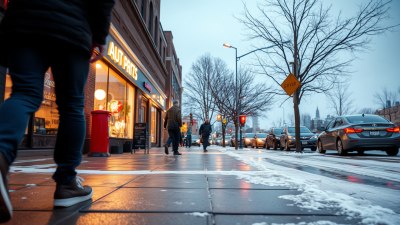
As winter tightens its grip across much of the northern hemisphere, a familiar yet frustrating phenomenon is occurring: sidewalks everywhere are becoming surprise ice rinks. What once was a simple, safe walk to the store or commute to work has transformed into a cautious, slippery journey full of unexpected hazards. This transformation is not merely a function of weather but also the result of a number of environmental and human factors that come together during the colder months.
Understanding why sidewalks suddenly turn into these treacherous ice patches is crucial for public safety and urban planning. It helps individuals prepare adequately and fosters better practices for cities and communities to manage winter maintenance effectively. The sudden slickness is often a shock, especially for pedestrians who feel confident walking on what appeared to be dry surfaces just hours before.
The primary driver of icy sidewalks is, of course, temperature. When daytime temperatures hover around or below freezing, moisture transforms from its liquid form into ice. Snowfall, freezing rain, and frost contribute to this process, but these alone do not explain the widespread icy conditions on sidewalks. A key element is the combination of ambient weather, surface conditions, and human interaction.
Weather Conditions and Their Influence
Freezing rain is a significant culprit that creates glossy, ice-coated sidewalks. Unlike snow which can be shoveled or brushed away, freezing rain coats surfaces with a thin layer of ice almost instantly. This is dangerous as it is often invisible — earning the nickname 'black ice' — and can cause slips and falls on what appears to be a normal pavement. Freezing rain occurs when raindrops fall through a layer of warm air and then refreeze upon contact with surfaces at or below freezing temperature.
Snow accumulation on sidewalks is another factor. When snow falls and is not promptly cleared, it can compact under foot traffic, gradually turning into a hard, icy crust. This crust is generally much slicker and harder to remove than fresh snow. Additionally, cycles of freezing and thawing exacerbate the problem. Daytime thawing melts snow and ice slightly, only for the moisture to refreeze overnight, forming thick sheets of ice on sidewalks.
Human Activity and Urban Factors
Human behavior inadvertently contributes to icy sidewalks. For instance, homeowners and businesses sometimes pour water on their walkways to melt snow manually or might use salt improperly. When temperatures plummet after the water has frozen, it adds another layer of ice. Moreover, in some cases, snow plows clear streets and end up pushing snow onto sidewalks, making those paths more hazardous.
The materials used in sidewalks also play a role. Concrete and asphalt have varying thermal properties. Concrete tends to stay colder longer, which means ice remains longer on concrete sidewalks compared to asphalt ones. Architectural features, like overhangs or dense tree cover, can prevent sunlight from reaching sidewalks and accelerate ice persistence. In cities with narrow streets and tall buildings, the lack of sunlight in winter months adds to the problem.
Environmental Changes and Climate Variability
Recent climate changes, including more frequent temperature swings, have increased sidewalk icing episodes. Unpredictable weather patterns cause sudden freezes after mild days, leading to ice forming on surfaces that were previously wet but not considered dangerous. These cycles can catch pedestrians and city maintenance unprepared, increasing risk and maintenance costs.
Urban heat islands—areas within cities warmer than their rural surroundings—have complicated matters further. Warmer city centers may see quicker snow melt, but peripheral regions or less developed sidewalk areas remain icy longer. This uneven melting creates a patchwork of icy spots that can surprise pedestrians moving from one area to another.
Public Health and Safety Implications
The transformation of sidewalks into ice rinks is not just an inconvenience; it has significant public health implications. Slips and falls on ice are a leading cause of injuries during winter, ranging from minor bruises to severe fractures and head injuries. Elderly individuals are particularly vulnerable, as balance and reaction times decline with age. Emergency rooms routinely report spikes in fall-related injuries corresponding with icy sidewalk conditions.
In addition to physical injuries, icy sidewalks impact mental well-being and daily productivity. Anxiety about slipping slows pedestrians, causes detours, or even limits outdoor activity. This can reduce physical activity during winter, affecting overall health. Furthermore, investments in medical care and insurance claims related to ice falls impose a substantial economic burden on healthcare systems.
Preventative Measures by Municipalities
Local governments and city authorities recognize the hazards posed by icy sidewalks and employ various strategies to mitigate risks. Prompt snow removal and salting are standard practices in cities with frequent winter precipitation. Salt lowers the freezing point of water, helping to prevent ice formation. However, environmental concerns about salt’s impact on soil and water quality have led to alternative approaches.
Cities increasingly use sand or gravel as traction aids on sidewalks. These materials do not prevent ice but reduce slipperiness. Heated sidewalks have also been implemented in some high-traffic urban areas and near critical infrastructure. They use embedded heating elements to melt snow and ice but require significant investment and maintenance.
Public education campaigns on safe walking practices during icy conditions and the importance of clearing personal property sidewalks also help reduce incidents. Encouraging residents to shovel their sidewalks promptly and apply safe de-icing materials is crucial.
Technological Innovations and Future Trends
New technologies are emerging to counter the problem of icy sidewalks more efficiently. Smart sensors can detect temperatures and surface moisture, triggering automatic heating systems or alerting maintenance crews only when necessary. This selective activation saves energy compared to continuous heating.
Eco-friendly de-icing agents derived from organic compounds are under development to minimize environmental damage. These alternatives to traditional salt avoid soil degradation while maintaining ice-melting effectiveness. Some cities are piloting biodegradable, plant-based de-icers as part of their winter maintenance.
3D mapping and predictive analytics also help cities prepare for icing events. By analyzing weather forecasts and urban landscape data, authorities can proactively target areas at highest risk of icing. This targeted approach improves resource allocation and pedestrian safety.
Practical Advice for Pedestrians
Pedestrians facing the risk of icy sidewalks can take several practical steps to improve safety. Proper footwear with good traction is essential. Specialized winter boots with rubber soles and anti-slip features increase stability on ice and snow. Using walking aids such as trekking poles or canes with ice tips can provide extra balance.
It is beneficial to walk slowly and keep your center of gravity low. Taking small steps and paying attention to the surface reduces falls. Avoid carrying heavy loads that can throw off balance, and use handrails where available. Planning routes that avoid known icy spots or using streets where sidewalks are better maintained can reduce risk.
For the elderly and those with mobility issues, it may be worth considering alternative transportation options during icy periods or asking for assistance. Community programs that provide help with snow clearing for vulnerable populations improve overall neighborhood safety.
Community and Neighborly Support
Winter sidewalk safety is also a community responsibility. Neighbors can collaborate to clear shared sidewalks and check on at-risk individuals. Local volunteer groups often organize winter preparedness efforts, providing tools and assistance to those who need it. Such community cohesion reduces injuries and fosters resilience during harsh winters.
Additionally, reporting hazardous sidewalk conditions to municipal services ensures timely intervention. Many cities have phone numbers or apps dedicated to winter safety issues. Prompt reporting can mean the difference between a safe walk and a hazardous slip.
Insights from Cities Around the World
Comparing sidewalk management in different climates reveals innovative strategies. Scandinavian countries, accustomed to long winters, invest heavily in snow removal equipment and heated sidewalks in urban areas. Their proactive policies include mandatory snow clearing by property owners and strict municipal oversight.
In contrast, regions with less frequent freezes may focus more on prevention and education. For instance, cities in parts of the United States.issue winter weather advisories encouraging pedestrians to be cautious and providing tips rather than relying solely on infrastructure investments.
Lessons from these approaches highlight the importance of tailored solutions that fit local climate, culture, and budget constraints.
Environmental Considerations and Mitigation
The widespread use of de-icing chemicals raises environmental concerns. Salt runoff can damage vegetation, pollute water supplies, and cause corrosion of infrastructure. Balancing effective ice control with environmental sustainability is a challenge for planners and citizens alike.
Research into alternative materials and techniques is critical for long-term winter safety and environmental health. Some communities plant salt-tolerant vegetation or install permeable pavements that reduce runoff and allow better drainage, limiting ice formation.
Education on the responsible use of de-icing agents also helps minimize unnecessary application and its harmful effects.
Summary of Contributing Factors
In essence, sidewalks become surprise ice rinks due to a complex interaction of weather, urban design, human behavior, and environmental shifts. Sudden freezing conditions, material properties of pavement, insufficient or mistimed snow removal, and temperature fluctuations all contribute to hazardous icy surfaces. Recognizing these elements is key to devising effective preventive measures and adapting both infrastructure and behaviors for winter safety.
Anticipating Future Challenges
As climate patterns evolve, winter weather may become less predictable, leading to more frequent freeze-thaw cycles and unexpected icy conditions. Urban expansion and aging infrastructure could exacerbate the problem unless forward-looking investments in maintenance, technology, and community engagement are prioritized. Public awareness and individual preparedness will remain critical components in mitigating risks.
Ultimately, addressing why sidewalks turn into surprise ice rinks requires combined efforts from governments, communities, scientists, and individuals. Only through informed strategies and shared responsibility can pedestrian safety be preserved during winter’s slippery surprises.