Snowplows Only Show Up After You’ve Finished Shoveling
Explore the frustrating reality of snowplows arriving after shoveling and discover tips to manage winter snow removal effectively.
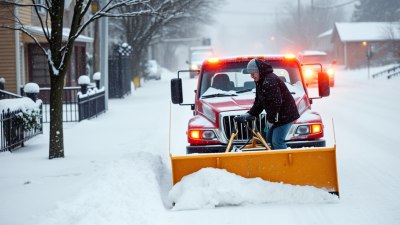
There’s a peculiar and universally frustrating phenomenon that many people who live in snowy climates have experienced: the snowplows seem to show up only after you’ve already spent time and effort shoveling your driveway or sidewalk. You finish your back-breaking work, feeling a sense of accomplishment and relief, only to hear the rumble of a snowplow seconds later, burying your clear path once again under fresh snow or slush. This scenario can feel like a cruel joke or an inevitable routine in cold regions where snow management is a constant chore.
In this article, we’ll delve into the reasons behind this seemingly ill-timed arrival of snowplows and offer strategies to better navigate winter snow removal. From municipal protocols to timing challenges and practical tips, understanding the dynamic interplay between snowplows and personal snow removal can reduce frustration and help maintain clearer pathways during winter months.
Why Do Snowplows Arrive After You’ve Shoveled?
It seems counterintuitive that snowplows show up right after you finish shoveling, but there are logical reasons as to why this happens. The primary factors include municipal snow removal schedules, prioritization of main roads, weather patterns, and the sheer logistics of managing snow across large areas.
Most cities and towns create snow removal plans that prioritize major roads, highways, and emergency routes first to keep traffic flowing and ensure safety. These routes are plowed before residential streets and subdivisions. If your neighborhood is not a priority route, snowplows will often come through after you’ve done your initial shoveling or after enough snow has accumulated on the roads.
Moreover, snowplows operate on scheduled intervals. They may wait for a certain snow depth threshold before mobilizing. This means that unless the snowfall is very heavy or sudden, the plows will start after you have already taken the initiative to shovel. Additionally, multiple rounds of plowing often take place during a snowfall event, because snow can continue to fall or be blown back onto cleared surfaces.
The Challenges of Municipal Snowplow Operations
Snowplow operations are not simply a matter of clearing snow whenever it exists. Several complex challenges impact their timing and effectiveness:
- Resource Limitations: Municipalities have limited fleets of plows and staffing. They must allocate resources efficiently across vast areas.
- Road Priority Systems: Arterial roads and emergency routes take precedence over residential streets.
- Snowfall Patterns: Variable snow intensity and wind can redistribute snow after plowing, requiring repeated passes.
- Equipment Performance: Plows work at controlled speeds and have specific operating windows tied to safety and effectiveness.
- Traffic Considerations: Snowplows must operate safely amid local traffic and sometimes delay until peak travel periods pass.
Because of these factors, individual homeowners’ shoveling efforts will often be performed either before plows reach that particular neighborhood or between rounds of plowing, leading to the frustration when a freshly shoveled driveway ends up covered in snow seconds later.
How Timing Affects Your Shoveling Efforts
The timing of when you shovel relative to when the snowplows pass is crucial to how effective your work will be. If you shovel too early before the plows have passed, chances are the snowplows will push snow back into your driveway or sidewalk, effectively negating your effort. Conversely, if you wait too long, you might be dealing with heavier, compacted snow that is harder to remove.
Planning when to shovel can make a difference:
- Shovel beforehand to keep areas manageable during the snowfall but expect some accumulation to return after plowing.
- Consider shoveling after the main snowplow routes have passed your area, as secondary plowing is less frequent.
- Stay updated on your local municipality’s snow removal schedule if available, so you can gauge when plows will come to your street.
Unfortunately, weather is unpredictable, and snowplows’ exact timing can vary, especially during heavy storms. Therefore, flexibility and persistence are key when planning your shoveling efforts.
Practical Tips for Managing Snow Removal and Snowplow Timing
Even though snowplows can sometimes feel like an adversary interfering with your hard work, there are ways to manage this challenge and reduce the need to redo shoveling repeatedly.
- Clear Early and Often: It might help to shovel light amounts of snow early during the snowfall and then perform additional rounds after plows have passed if possible.
- Choose the Shoveling Angle Wisely: When shoveling your driveway or sidewalk, try to push the snow in the direction away from where the snowplow pushes snow, usually your driveway entrance or sidewalks adjacent to roads. This strategy can reduce snow pushed back onto cleared surfaces by the plow.
- Snow Barriers: In some cases, simple snow markers placed along the edges of driveways can guide snowplow operators to avoid pushing excess snow onto private property.
- Use Snow Melt Products: Applying ice melt or salt can reduce ice bond and melt thin layers of snow, making clearing easier after plows pass.
- Communicate with Local Authorities: Reach out to your municipal public works department to learn about snow plowing priorities and schedules.
- Invest in Snowblowers or Tools: Using a snowblower can be less labor-intensive and more effective at clearing heavy or repeated snow accumulation after plows have passed.
- Work with Neighbors: Coordinated shoveling efforts in your neighborhood can help reduce overall snow buildup and minimize interference by snowplows.
The Role of Snowplow Drivers and Municipal Governments
Snowplow drivers work under demanding conditions and strict guidelines to ensure public safety and efficient snow removal. They often start shifts during ongoing snowfall and face the pressure of clearing as much road as possible while coping with limited resources and weather challenges.
Municipal governments manage snow removal budgets and policy decisions that impact how and when plowing takes place. Advocating for improved services in your area can sometimes lead to more timely or frequent residential plowing, making your personal snow management efforts more efficient.
Understanding the workload and constraints faced by snowplow operators fosters appreciation for their vital role, even when their timing seems to conflict with your own efforts.
Why Snowplows Must Follow a Systematic Route
Snowplows follow systematic routes to efficiently cover as many streets as possible in minimum time. This systematic approach involves clearing main roads first to prioritize emergency vehicles and heavy traffic areas before moving to secondary and residential roads. Even within neighborhoods, plows may sweep in one direction only, which affects how snow is pushed and why snow sometimes falls back into driveways.
This route planning also explains why multiple passes may be required during a snowstorm — the first pass clears most snow, but subsequent passes deal with accumulation that happens from ongoing snowfall or snow drifting. For a homeowner, this can mean having to clear snow multiple times in a day, sometimes feeling like a repetitive cycle where efforts are undone by municipal snowplows.
The Financial and Physical Cost of Snow Shoveling
Beyond the inconvenience, snow shoveling is a physical task that can have significant health risks. Cold conditions combined with strenuous exertion can lead to injuries such as back strain, slips and falls, and in serious cases, heart attack. The frustration of having to shovel repeatedly after plows return snow to a cleared area can exacerbate stress and fatigue.
On a financial level, some property owners hire private snow removal companies to avoid the labor and risk associated with shoveling themselves. However, this comes with costs that many may want to avoid. Understanding the timing and working with snowplow schedules can help reduce the frequency of shoveling and associated costs.
Understanding Snowfall Types and Their Effect on Snow Removal
The nature of the snow itself influences how snow removal efforts fare against subsequent plowing. Different snowfall types, such as light, fluffy snow versus wet, heavy snow, affect the ease of shoveling and the amount of snow pushed back by plows.
Light snow is easier to shovel but can be blown around more readily by wind or a passing snowplow. Wet snow tends to stick and pack down, making it more challenging to clear but less prone to total redistribution. Knowing the type of snow you’re dealing with can help tailor your snow removal approach.
When Is It Better to Wait?
Sometimes, the best strategy is to wait until after the snowplows have completed their passes on your street before you start shoveling. This approach means you avoid having your hard work overwritten by the action of the plows.
However, waiting can have drawbacks:
- Snow can compact and become ice, making it more difficult to remove.
- Sidewalks and driveways remain inaccessible or unsafe for longer periods.
- If the snowfall is continuous, you might need to shovel multiple times regardless.
Balancing waiting and early clearing depends on the intensity and duration of the storm, as well as your personal schedule and physical ability. Monitoring local weather and plowing schedules can assist in making this decision.
Technology and Snow Removal: Innovations Helping Homeowners
Advances in technology provide new tools to manage the age-old problem of snowplows arriving after shoveling. Smartphone apps now offer real-time tracking of municipal snowplows, so you can see when plowing is underway in your area. These tools help homeowners plan better timing for snow removal.
Additionally, heated driveways and sidewalks, though a significant investment, prevent snow accumulation altogether by melting snow on contact. Motion-activated snow melting mats and chemical de-icers are also available for targeted snow management in critical areas such as steps or doorways.
Snow removal companies increasingly use GPS and route optimization software to improve plowing efficiency, which indirectly helps homeowners by reducing redundant passes and improving timing.
Balancing Patience and Effort in Winter Snow Management
Ultimately, managing snow removal in snowy climates requires patience, planning, and realistic expectations. Snowplows operate under a framework designed to maximize safety and keep public infrastructure functional. As a result, individual homeowners must adapt their snow removal routine to these constraints.
Accepting that a freshly shoveled driveway may not stay clear permanently after a plow passes allows you to strategize effectively and avoid unnecessary frustration. Combining knowledge of plow schedules, shoveling techniques, and technology can reduce the effort and maximize the benefits of your snow removal work.
Winter storms are cyclical and require repeated efforts, but with planning and understanding, the burden can be lessened. By working with the system rather than against it, homeowners can keep their property safer and more accessible while making the best use of their time and energy during the snowy season.