Why Winter Turns Pavement Into a Puzzle
Explore why winter causes pavements to crack and shift, turning walkways into challenging puzzles.
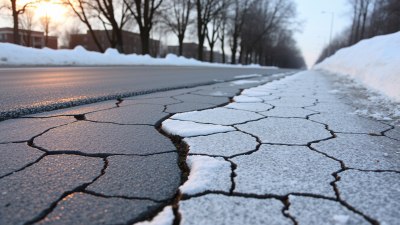
Winter's arrival transforms much more than just the landscape; it also fundamentally changes the surface beneath our feet. Pavements, which seem sturdy and unchanging during the warmer months, become a complex maze of cracks, shifts, and sometimes even broken segments. This seasonal transformation has puzzled many, but science offers clear explanations rooted in physics, geography, and material science. Understanding why winter turns pavement into a puzzle requires delving into the nature of water, temperature fluctuations, and the materials involved in pavement construction.
The Scientific Basis of Winter’s Impact on Pavement
The primary culprit behind pavement’s wintertime transformations is water and its unique behavior as temperatures drop. Pavement materials such as asphalt and concrete are porous to some degree, meaning they can absorb water. When water seeps into pavement cracks or the soil underneath, colder temperatures trigger a fascinating process: water freezes and expands. Unlike most substances, water expands about 9% upon freezing, exerting significant pressure on any containing materials.
This phenomenon causes stress within the pavement structure. The freezing water in cracks and porous spaces pushes outward, forcing the pavement materials to separate and crack further. Such expansion and contraction cycles, triggered by numerous freeze-thaw events throughout winter, gradually degrade the pavement and create larger fractures and disjointed segments.
Freeze-Thaw Cycles and Their Effect on Pavement Integrity
Freeze-thaw cycles are the recurring episodes where temperatures oscillate above and below the freezing point, causing water to repeatedly freeze and melt. These cycles are particularly harsh on pavement because they induce continuous expansion and contraction. During the freezing phase, water expands, pushing pavement materials apart, while during thawing, the water contracts, allowing the pavement to settle or even compress slightly.
Over time, these mechanical stresses accumulate. The pavement’s structure is weakened as cracks widen, chips develop, and sections begin to heave or slump. This process explains why some pavements develop potholes and uneven surfaces through winter and early spring. Areas with higher moisture content or poor drainage are especially vulnerable, as more water infiltrates and the freezing forces become concentrated in these weak points.
The Role of Soil Beneath the Pavement
It's not just the pavement material reacting to winter conditions; the soil underneath plays a critical role in the puzzle. Soil composition, moisture content, and drainage characteristics influence how pavement responds to cold weather. Water in the soil can freeze and expand in a process called frost heaving, where frozen water forms ice lenses within the soil layers. These ice lenses can push the pavement upward unevenly, causing bumps, cracks, and rupture points.
The extent of frost heaving depends heavily on the soil type. Clay-rich soils tend to hold water longer and are more prone to frost heaving, whereas sandy soils drain more efficiently and therefore pose less risk. Thus, regions with heavy clay soils typically see more significant pavement damage during winter.
Material Choices and Construction Techniques
Winter pavement puzzles also relate to the materials used and how pavements are constructed. Concrete and asphalt behave differently under cold stress. Concrete, being more rigid, can crack sharply under stress, especially if improperly mixed or cured. Asphalt is more flexible but can still crack and develop potholes with repeated freeze-thaw cycles.
Construction practices play a crucial role too. Proper compaction of the underlying soil, adequate drainage systems, and use of frost-resistant materials or special additives can improve the pavement’s resilience. Without these measures, pavements are more susceptible to winter damage, turning them into intricate patterns of fractures and uneven surfaces.
Salt and Deicing Chemicals: Double-Edged Swords
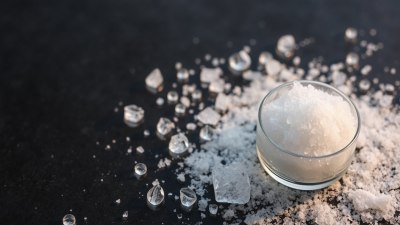
Deicing salts and chemicals, such as rock salt (sodium chloride), are commonly applied to pavement surfaces to melt ice and improve pedestrian and vehicle safety. While effective at reducing ice accumulation, these substances can exacerbate pavement deterioration. Salt lowers the freezing point of water, accelerating the melting process, but also increases the water's penetration into pavement cracks.
Saltwater solutions can infiltrate porous pavement layers more easily than pure water, reaching deeper into the pavement structure and underlying soils. This increased moisture presence means more frost heaving and expansion forces once temperatures drop again. Moreover, salt accelerates corrosion in reinforced concrete structures, weakening pavement integrity over time. These factors combine to make winter pavement problems more complex and challenging to mitigate.
Geographical Variations in Winter Pavement Damage
Not all regions experience the same degree of pavement puzzles during winter. Areas with mild winters see minimal freeze-thaw cycles and thus much less damage. Conversely, regions with fluctuating winter temperatures near freezing experience frequent freeze-thaw cycles, producing more extensive pavement deterioration.
For example, northern states in the United States, parts of Canada, and many European countries with temperate continental climates face prominent freeze-thaw challenges. In contrast, southern regions with predominantly warm winters rarely experience such extensive pavement damage. Understanding these geographical variations helps urban planners and engineers design pavements suited to local climatic conditions.
Advancements in Pavement Technology for Winter Resilience
To address the winter puzzle, engineers continue developing advanced materials and construction methods. Polymer-modified asphalt blends improve flexibility and crack resistance. Infrared heating treatments and specialized sealants prevent moisture infiltration and slow the formation of cracks. Some innovative designs incorporate permeable pavements that allow water drainage and reduce moisture accumulation beneath the surface.
Additionally, improvements in geotextiles and soil stabilization techniques reduce frost heave by enhancing soil drainage and mechanical strength. Monitoring technologies, using sensors embedded in pavements, provide real-time data on temperature, moisture, and structural integrity, enabling targeted maintenance before damage escalates.
Maintenance Strategies to Mitigate Winter Damage
Regular maintenance plays a fundamental role in preventing and managing winter pavement issues. Timely crack sealing, patching potholes, and ensuring optimal drainage can extend pavement lifespan significantly. Using eco-friendly deicing agents and minimizing salt application not only protect the environment but also reduce pavement stress.
Municipal agencies often conduct strategic inspections before and after winter seasons to identify vulnerable areas. Preventive measures such as installing drainage systems, improving soil compaction, and incorporating flexible pavement overlays help mitigate winter damage. Proper winter maintenance is a cost-effective approach compared to rebuilding heavily deteriorated pavements.
Understanding Winter Pavement Behavior for Safety
Winter pavement alterations don’t just create physical puzzles; they pose safety hazards. Cracks, bumps, and potholes increase the risk of pedestrian trips and vehicle accidents. Icy patches that result from uneven melting can cause slips and skids. Recognizing why pavement behaves unpredictably in winter helps pave the way for better management and public awareness.
Education campaigns informing the public about seasonal pavement risks, combined with effective municipal maintenance, ensure safer travel conditions during challenging winter months. Roads and sidewalks that are well-maintained and designed for winter resilience contribute to fewer accidents and smoother transportation.
The Broader Environmental Impact of Winter Pavement Changes
Pavement degradation in winter also has wider environmental implications. Repair and replacement operations consume energy and materials, contributing to increased carbon footprints. Salt and chemical runoff can contaminate nearby waterways and soil, affecting ecosystems and groundwater quality. Therefore, sustainable approaches to winter pavement management that reduce damage frequency and chemical use are increasingly prioritized.
Utilizing recycled pavement materials, implementing green infrastructure for stormwater management, and adopting salt alternatives such as calcium magnesium acetate are some strategies aimed at balancing pavement durability and environmental protection. These measures reflect a growing awareness of how winter pavement puzzles interconnect with broader ecological concerns.
Historical Perspective: Winter Pavement Challenges Over Time
Winter pavement problems have been documented for centuries. Early road builders observed cracking and heaving in cold-weather environments long before modern materials existed. Traditional stone and dirt roads faced different challenges but still experienced frost-related damage.
The advent of modern concrete and asphalt pavements improved road durability but introduced new complexities related to freeze-thaw cycles and chemical corrosion. Historical data demonstrate how understanding of winter pavement behavior has evolved, informing ongoing innovations.
Lessons from past infrastructure failures continue to shape current best practices, emphasizing the importance of adapting pavement design and maintenance to seasonal environments.
Future Outlook: Innovations and Climate Considerations
As climate patterns shift globally, winter pavement issues may evolve. Warmer winters with more frequent freeze-thaw events could increase damage in some regions. On the other hand, milder or shorter winters might reduce the overall stress on pavements. Engineers and scientists are actively researching these trends.
Emerging technologies such as self-healing pavements that use microcapsules to release repair agents when cracks form show promise. Smart pavements integrated with sensors can adapt to environmental changes, triggering maintenance before failures occur. Coupled with better winter forecasting and urban design, these advances aim to reduce the complex puzzle winter creates beneath our feet.
Understanding why winter turns pavement into a puzzle not only satisfies scientific curiosity but also provides practical insights for maintaining safe, durable infrastructure. Through a combination of material science, engineering innovation, proactive maintenance, and environmental stewardship, societies can better navigate and solve the challenges posed by winter’s impact on pavements.