Why Winter Clouds Look Flatter, Grayer, and More Emotionally Distant
Explore the science and psychology behind why winter clouds appear flatter, grayer, and evoke a sense of emotional distance during colder months.
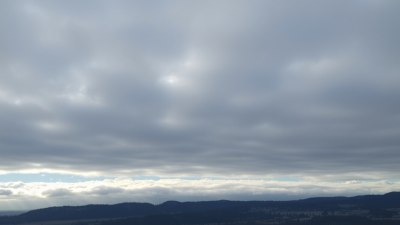
Image created with Flux Schnell
Winter clouds often present a visual and emotional contrast to their summer counterparts. Many people describe them as flatter, grayer, and emotionally more distant, a perception that combines atmospheric science, optical effects, and psychological associations. Understanding why winter clouds look this way involves examining the meteorological conditions, light behavior in the atmosphere, and human emotional responses to seasonal changes.
Weather Patterns and Cloud Formation in Winter
During winter months, the temperature stratification and prevailing weather systems differ markedly from those in warmer seasons. Weather fronts often become more stable and expansive, leading to broad, uniform cloud layers. These clouds, typically stratiform types such as stratus and stratocumulus, differ visually and physically from the towering cumulonimbus or altocumulus commonly seen in spring and summer.
Stratus clouds form in stable air masses where vertical convection is limited, resulting in expansive, flat cloud decks. Their horizontal spread can cover large sky areas, often appearing as a continuous gray blanket. Since the vertical development is limited, the clouds do not have the billowy texture or varied heights that give summer clouds their depth and dynamic appearance.
The Role of Light and Sun Angle in Cloud Appearance
One of the primary reasons winter clouds look grayer and flatter is the sun's low angle in the sky. During winter, the sun stays closer to the horizon even at midday, causing sunlight to pass through a thicker layer of atmosphere before reaching the clouds and the observer’s eyes. This extended path scatters shorter wavelengths of light and reduces the intensity and color saturation of sunlight, dulling the illumination that clouds receive.
The flattened, overcast appearance occurs because the diffuse light lacks strong shadows or highlights. In summer, higher sun angles create pronounced shading on cloud tops and edges, rendering a three-dimensional, fluffy look. Conversely, winter’s low-angle, diffuse illumination softens shadows and highlights, resulting in clouds that appear more uniform and two-dimensional.
Cloud Optical Properties and Water Content
Cloud color and texture are also influenced by the size of water droplets and ice crystals within. Winter clouds often contain a greater proportion of ice crystals or supercooled droplets that scatter light less effectively than warmer cloud droplets. This difference attenuates the brightness of clouds, making them appear grayer and less vibrant.
Furthermore, winter clouds usually have higher liquid water content but spread over wider areas in shallow layers. The combination can emphasize a muted cloud appearance: a thick but uniform layer that limits light penetration and reflection, thus appearing darker and less textured.
Psychological and Emotional Perceptions of Winter Skies
The emotional distance attributed to winter clouds is largely shaped by human psychology and cultural associations. The gray, monotonous skies are often linked with feelings of melancholy, introspection, or loneliness, partly because they coincide with shorter daylight hours and colder weather that restrict outdoor activity.
Studies in environmental psychology suggest that clear blue skies and bright, fluffy clouds positively influence mood through associations with warmth and vitality. In contrast, overcast winter skies reduce visual stimulation and natural light, potentially inducing feelings of constriction or emotional flatness.
This psychological effect is compounded by seasonal affective disorder (SAD), a type of depression linked to seasonal changes in light exposure. When the environment itself, represented by the flat gray clouds, appears less inviting or vibrant, it can deepen the emotional impact people experience during winter.
Atmospheric Stability and Its Visual Impact
Winter's atmospheric stability is another factor contributing to the flatter visual appearance of clouds. Stable air suppresses vigorous convection, which underlies the vertical development of cloud formations seen in warmer months. Instead, air masses remain layered, with clouds forming horizontally rather than vertically.
This stability often results in stratification—thin layers of moisture over large areas that lack the vertical texture of convective clouds. Consequently, cloud bases tend to be consistent in altitude and thickness, which adds to the perception of flatness.
Geographical Variations and Winter Cloud Appearance
Not all winter clouds look the same worldwide, as geographical factors influence their formation and appearance. For example, coastal regions experiencing marine layers often see persistent gray stratus clouds that can be very low and thick, reinforcing the flat and gray aesthetic.
Conversely, inland areas prone to temperature inversions can have elevated cloud layers with somewhat more structure but still lack the vibrancy associated with warmer seasons. Mountainous areas in winter may witness a mix of flat overcast and sculpted lenticular clouds, which can occasionally defy the typical flat gray stereotype but are less common.
Interactions Between Pollution and Winter Clouds
Winter months often coincide with higher levels of atmospheric pollution due to increased heating activities and stagnant air conditions. Aerosols and particulates interact with clouds by acting as condensation nuclei, altering droplet size distribution and cloud reflectivity.
Pollution-induced changes can darken clouds, make them more uniform, and enhance their grayness by absorbing sunlight or scattering light differently. This contributes to the dull, subdued look of winter skies in urban or industrial regions and may reinforce the emotional distance perceived by observers.
Visual Texture and Dynamic Movement
Another subtle aspect is the dynamic quality—summer clouds often change rapidly and exhibit complex textures due to active convection and variable winds. Winter clouds, by contrast, tend to be more consistent, moving slowly and maintaining a uniform appearance over hours or days.
This lack of dynamic structure or change further influences perception, making the clouds seem inert or static, contributing to feelings of emotional detachment or dullness in the winter sky.
Scientific Studies and Observational Evidence
Meteorological research using ground-based photography, satellite imagery, and atmospheric measurement tools supports the correlation between seasonal solar angles, atmospheric conditions, and cloud morphology. Quantitative analysis of cloud reflectance (albedo) demonstrates lower brightness values in winter cloud covers compared to summer, consistent with their grayer, flatter appearance.
Additionally, psychological surveys measuring individuals' affective responses to different sky conditions confirm that winter-like overcast skies are associated with more subdued or negative emotional ratings. These results highlight the intertwined nature of physical atmospheric phenomena and human emotion.
Implications for Architecture and Urban Planning
Acknowledging how winter clouds affect moods and aesthetics has influenced architectural design and urban planning strategies, especially in northern latitudes. Designers often incorporate larger windows to maximize natural light during darker months or choose color palettes and interior lighting that counterbalance the external grayness.
Public spaces may also incorporate elements of brightness or nature simulation to mitigate the psychological impact of long winter periods dominated by flat gray skies, aiming to improve inhabitants’ well-being.
Artistic Representations and Cultural Interpretations
Artists and writers have long depicted winter clouds as symbols of melancholy, aging, distance, or introspection. Paintings often show these clouds as uniform gray expanses that evoke a mood rather than highlight intricate cloud structure.
Culturally, gray winter skies can signify dormancy or transition, consistent with the season’s role in nature’s cycle. These associations reinforce the emotional dimension attached to the physical appearance of winter clouds beyond their scientific attributes.
Practical Observing Tips for Winter Clouds
For sky watchers and meteorology enthusiasts, winter provides a unique opportunity to study stratiform clouds and subtle light phenomena such as halos and coronas caused by ice crystals. Observers can differentiate cloud types by noting their altitude, texture, and movement to better appreciate the complexity behind the seemingly flat gray surfaces.
Bringing awareness to these features can enrich the experience of winter skies, transforming the perception from merely dull or depressing to one of subtle atmospheric beauty.
In summary, the flattened, grayer, and emotionally distant appearance of winter clouds arises from a combination of meteorological, optical, and psychological factors. Stable atmospheric conditions produce broad, low-stratus clouds with limited vertical dimension. The low sun angle and increased atmospheric path length diminish light intensity and color saturation. Cloud microphysics affect scattering properties, while pollution further modifies appearance. Finally, human psychology responds to the reduced illumination and subdued visuals with feelings interpreted as emotional distance.
These multifaceted elements converge each winter, creating skies that visibly and emotionally differ from warmer seasons.