How to Emotionally Recover from Sitting on a Frozen Car Seat
Discover effective ways to emotionally recover after the uncomfortable shock of sitting on a frozen car seat.
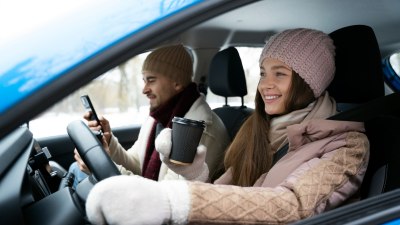
Sitting on a frozen car seat on a cold winter morning can feel like an assault on your senses - the unexpected shock of icy cold permeates through your clothing and settles into your body. While the physical sensation is unpleasant, the emotional aftermath can linger longer than you expect. The sudden discomfort can trigger frustration, embarrassment, and even a momentary slap of stress. However, emotional recovery is possible by understanding the reasons such incidents affect you and applying strategies to restore your inner calm.
This article explores the emotional impact of sitting on a frozen car seat and offers practical techniques and mindset shifts to bounce back with resilience and good humor.
Understanding the Emotional Response to Cold Shock
When you unexpectedly sit on an extremely cold surface like an icy car seat, your body's instantaneous physical reaction often includes a shiver, goosebumps, and sharp discomfort. These physical cues can amplify emotional responses. You might feel startled, frustrated, or even slightly violated by the invasion of cold. This emotional ripple effect is natural because humans have evolved to seek comfort and protection from harsh conditions, so moments that disrupt this can trigger stress responses.
In some cases, the shock might spark feelings of embarrassment, especially if the incident happens in front of others or causes you to react outwardly, like gasping or stiffening suddenly. There can also be a mild sense of helplessness - you cannot warm the seat instantly, and your body must endure those minutes of cold. Recognizing that these feelings are common and temporary helps reduce self-judgment and facilitates healing.
Step 1: Acknowledge the Experience Without Judgment
The first step in emotional recovery is acknowledging your reaction honestly without self-criticism. Perhaps you feel irritated because you were running late, and now the unexpected discomfort delays you further. Maybe you're annoyed at the weather or your lack of preparation. Whatever the emotional baggage, allow yourself to recognize these feelings as valid reactions rather than weaknesses.
Silently naming your feelings can reduce their intensity. Try an inner dialogue like, “I feel cold and irritated right now, and that's okay.” This simple practice of mindfulness creates a space between your emotions and your identity, making the feelings easier to manage instead of overwhelming.
Step 2: Practice Deep Breathing to Calm Immediate Stress
The physiological reaction to sudden cold often activates your sympathetic nervous system—the fight-or-flight response. This can leave you tense and stressed for minutes after the event. Deep breathing slows your heart rate and signals your parasympathetic nervous system to restore calm.
Try inhaling slowly through your nose for a count of four, holding your breath for four seconds, then exhaling gently through your mouth for four seconds. Repeat this cycle several times until you feel less tense. This technique helps regulate emotional upheaval caused by the initial shock, allowing you to think more clearly and regain composure.
Step 3: Use Positive Self-Talk to Shift Your Perspective
Our internal dialogue shapes how we interpret and recover from negative experiences. After an incident with a frozen car seat, you might catch yourself thinking, “This day is going to be awful,” or “I always have bad luck.” These thoughts fuel frustration and make it harder to bounce back emotionally.
Instead, deliberately replace negative self-talk with positive or neutral statements. For example: “This is uncomfortable, but it will pass,” or “I can handle small challenges today.” Reframing your mindset helps reduce emotional distress and builds a habit of resilience, so future setbacks cause less upheaval.
Step 4: Engage in Gentle Movement to Shake Off the Chill and Stress
Physical movement encourages blood flow, warms your body, and releases tension held from the cold shock. Try simple stretches or shaking out your limbs while still in or near the car. If possible, walk around briefly to generate warmth and activate endorphins - natural chemicals that elevate mood.
Exercise has well-established benefits for managing stress and improving emotional outlook. Even a few minutes of mild movement can break the cycle of discomfort and frustration, helping free your mind from rumination on the frozen seat incident.
Step 5: Warm Up Gradually and Comfortably
Physical warmth directly affects emotional comfort. After sitting on a frozen car seat, immediately warming your body helps your brain interpret the situation as less threatening and distressing. If your car heater is working, turn it on and let the interior warm before returning. Use gloves, scarves, or blankets if you have them to regain physical comfort.
A warm beverage like tea or coffee can create a cozy sensory experience that counters the remnants of cold shock. Prioritizing warmth reduces ongoing physical reminders of the incident, making it easier emotionally to move on from the unpleasant shock.
Step 6: Practice Mindful Acceptance of Imperfection and Unpredictability
Frozen car seats and other cold-weather mishaps highlight life’s elements beyond our control. Accepting this unpredictability is key to emotional resilience. Rather than fighting or resenting the uncontrollable cold, practice mindful acceptance: observe the fact without resistance or excessive emotional reaction.
Mindfulness meditation techniques—such as focusing on breath, body sensations, or present surroundings—help cultivate detachment from negative thoughts about discomfort. Over time, acceptance reduces the emotional charge from small setbacks like frozen seats and allows you to maintain calm throughout your day.
Step 7: Inject Humor to Lighten the Mood
Humor is a powerful emotional healer. When you find yourself freezing onto a car seat, try to see the lighter side. Imagine telling the story later with exaggerated shivers or funny sound effects. Share the anecdote with friends or family to ship some laughs.
Laughter releases endorphins and reduces stress hormones. Framing the incident with humor transforms it from a personal drama into a memorable, shared human experience. It reminds you that everyone faces small annoyances, and responding with lightheartedness cultivates emotional strength.
Step 8: Prepare in Advance to Reduce Future Surprises
One reason the frozen car seat experience feels so shocking is the element of surprise. Preparing ahead can reduce the emotional blow should you face cold conditions again. Use insulated seat covers or keep a small blanket in your car during winter months.
Routinely warming your car interior before sitting decreases the risk of sudden cold shock. Awareness and preparation transform your relationship with winter challenges, making them easier to face both physically and emotionally.
Step 9: Reflect on Emotional Growth through Minor Setbacks
Consider the frozen seat incident as an opportunity to practice patience, adaptability, and self-compassion. Every small setback invites learning about how you respond under stress and what strategies soothe your emotions. Write about the experience or journal your feelings to gain perspective.
Recognizing emotional growth through minor trials builds confidence that you can endure and recover from bigger challenges too. This mindset strengthens emotional resilience over time, benefiting your overall mental health.
Step 10: Seek Social Support if Needed
Sometimes the emotional effects of uncomfortable experiences like sitting on a frozen car seat are amplified by loneliness or external stressors. Talking things through with a supportive friend, family member, or coworker can provide validation and comfort.
Sharing small frustrations normalizes the experience and helps reduce feelings of isolation. Others may also share tips or empathy, reminding you that the frozen seat episode is just one moment among many positive ones in your day.
By following these steps—acknowledging feelings, calming your nervous system, reframing thoughts, warming up, and finding humor—you can overcome the emotional reaction caused by a frozen car seat effectively. With practice, minor winter annoyances will feel less distressing, and your emotional resilience will grow, readying you for whatever chilly challenges the season may present.