Why Winter Air Feels Personal
Explore why winter air feels personal, its sensory impact, and how it influences human emotions and experiences during colder months.

Winter air carries a unique sensation that often feels strikingly personal to the individual experiencing it. Unlike the air of warmer seasons, winter air seems to envelop a person in a distinct way, evoking feelings and memories that are deeply introspective. This sensation results from a combination of physical, sensory, and psychological factors, which together make the cold season’s air feel intimate and tangible.
The immediate physical impact of cold winter air on the body plays a significant role in this personal connection. Cold air is denser and contains less moisture, which affects how it interacts with skin. When exposed to winter air, skin can quickly feel the chill as the cold extracts heat and moisture from the surface. This response is not only detected through temperature sensors within the skin but also through a heightened awareness of one’s own body responding to the environment. The sharpness of cold air can stimulate nerve endings more intensely than warm air does, thereby making the sensation more pronounced and immediate.
Sensory adaptation also influences why winter air feels more personal. During warmer seasons, the body acclimates to milder and more consistent air temperatures, resulting in a more subdued awareness of the air itself. In contrast, the starkness of winter air triggers an immediate sensory alertness. People become more conscious of their breathing as cold air passes through their nostrils, often described as a crisp or biting sensation. This awareness of breath connects individuals deeply with the external environment, reinforcing a personal experience of the air.
Moreover, winter air often carries distinct olfactory cues that contribute to its personal quality. The cold temperature can preserve scents by slowing evaporation and decay. This phenomenon allows the smell of pine from nearby trees, the crispness of fallen leaves, or the faint scent of wood smoke from chimneys to linger more potently in the air. These smells evoke memories—holiday gatherings, childhood winters, or quiet quiet walks in the snow—which personalize the winter air in unique ways for each individual.
Psychologically, humans associate winter with introspection and retreat. Shorter daylight hours and colder temperatures lead to less outdoor activity, encouraging inward reflection. The winter air thereby becomes a metaphor for solitude and calm, imbuing it with emotional significance. When someone steps outside into the cold or merely opens a window, the winter air’s chill can awaken feelings of clarity and mindfulness that are not as common in other seasons. This emotional layering makes the cold air feel as if it’s communicating directly with one’s inner thoughts.
The personal nature of winter air is further enhanced by cultural and seasonal traditions tied to the cold months. From holiday celebrations to family gatherings and seasonal rituals, winter air often serves as the backdrop for meaningful events. This cultural context colors the sensory experience of winter air with warmth and nostalgia. While physically cold, the air becomes a vessel that carries the heat of shared human experiences, deepening the sense of personal connection.
In terms of physiological mechanics, cold air affects respiration and circulation which also ties into the sensation of personal connection. Breathing in cold air prompts the respiratory system to warm and humidify it before it reaches the lungs. This warming process triggers a physiological feedback loop making you more aware of your breath, often leading to a sensation of freshness or invigoration. Additionally, cold air causes peripheral blood vessels to constrict, which can intensify the feeling of cold but simultaneously heighten sensory input from the skin. This mixed signal of contraction and sensation can make the body feel acutely alive in the environment, fostering a personal bond with the air itself.
From a neurological standpoint, the sensation of cold air waking the senses also activates certain areas in the brain linked to alertness and emotional processing. The insular cortex, a region involved in interoception or the sense of the internal state of the body, may be more engaged when sensing cold air, leading to greater self-awareness and emotional processing. This neural activity can heighten the feeling that the winter air is not merely external but in dialogue with personal feelings and sensations. Thus, the sensory and emotional experiences of cold air create a feedback loop that intensifies its personal quality.
Another aspect of winter air’s personal nature is its effect on sound perception. Cold air is typically less humid, allowing sound waves to travel differently. This modification can make environments appear quieter and more still, a state often described as serene or peaceful. The muffled quietness that sometimes accompanies snowfall or frozen landscapes contributes to an intimate atmosphere where one feels distinctly separate from the usual noise of everyday life. This acoustic environment fosters a deeper contemplation and an enhanced perception of personal space.
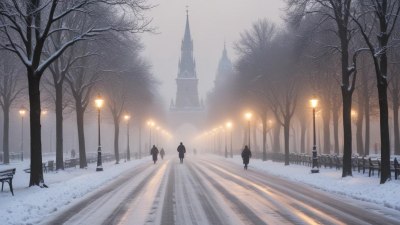
The visual characteristics of winter air also add to its personal impact. The clear, crisp quality of the air during winter days often results in sharper and more vivid visuals, such as the glint of frost, the sparkle of snow under sunlight, or the stark contrasts of bare trees against gray skies. These visual cues emphasize the purity and stillness of the cold environment, encouraging an aesthetic appreciation that feels private and internally resonant. This sensory clarity can make a person feel more connected to the surroundings in a quiet, reflective manner.
Moreover, winter air’s influence extends beyond immediate sensation to affect mood and cognitive processes. Research in seasonal affective disorder (SAD) and other mood fluctuations related to seasons highlights how the cold weather and reduced sunlight can alter brain chemistry. While some experience lethargy or depression, others find the season stimulates focus, creativity, or a longing to connect with inner experiences. The starkness and silence of winter air encourage moments of solitude that nurture personal growth, reflection, and the kind of mental space that feels deeply individual.
Seasonal clothing also modifies the interaction with winter air in a way that heightens its personal impact. Bundling up in scarves, hats, gloves, and coats creates a layered boundary between the body and the elements. This boundary focuses attention on the sensation of the air where it manages to penetrate these layers, such as on exposed skin or around the face. Consequently, the bits of cold air that reach the skin or nostrils feel particularly intense and personal, marked by their contrast with the warmth of clothing. This sensory interplay reinforces the perception that winter air is engaging with the individual uniquely.
Historically and literarily, the personal character of winter air has been a recurring theme. Poets, writers, and painters have long noted how the cold season brings a certain clarity and intimacy to human experience. For example, winter symbolism often represents purity, death, or quiet reflection—themes that resonate deeply on an individual level. These artistic interpretations help individuals culturally frame their own experiences of winter air as personal encounters with nature and self.
Recent scientific studies also explore how exposure to cold air impacts the immune system and general well-being, adding to the personal narrative. Cold air exposure is linked to benefits such as increased metabolism, reduced inflammation, and improved mood through release of endorphins. When a person steps outside into brisk winter air and feels a rush of vitality, this biophysical response creates a direct, intimate connection between the environment and one’s body. The cold air becomes a participant in health and energetic renewal, further saturating the sense of personal engagement.
The social dimension of winter air should not be overlooked. When people gather outdoors in winter conditions—whether for festivals, sports, or casual walks—the shared experience of the cold air can strengthen bonds and create collective warmth. Yet even within these social moments, the sensory encounter with winter air maintains its personal flavor since each individual perceives the cold uniquely depending on their physiology and emotional state. Thus, winter air acts as a medium that simultaneously connects and separates individuals, enriching the feeling of personal space.
Practically, understanding why winter air feels personal can inform ways to enhance comfort and appreciation during cold months. For instance, mindful breathing techniques that focus on the sensation of air in the nostrils or chest can deepen the meditative quality of cold air exposure. Designing clothing and outdoor spaces that respect the sensory nuances of winter air may also improve well-being by allowing individuals to engage positively with the environment rather than merely endure it. These approaches turn winter air from a challenge into a cherished element of personal seasonal experience.
In sum, winter air feels personal because it stimulates a complex interaction of physical sensations, sensory awareness, emotional responses, cultural meanings, and physiological adaptations. It envelops individuals in a crisp, invigorating atmosphere that simultaneously awakens the body and encourages introspection. The unique qualities of cold air heighten nerve sensitivity, sharpen perception, and evoke memories, making the experience deeply individual and emotionally potent. This intense sensory and psychological relationship ensures that winter air is remembered not just as a seasonal element but as a personal companion through the colder months.