Why You Keep Hoping for a Snow Day That Never Comes
Explore the psychological reasons behind the longing for snow days and why they often remain elusive despite our hopes.
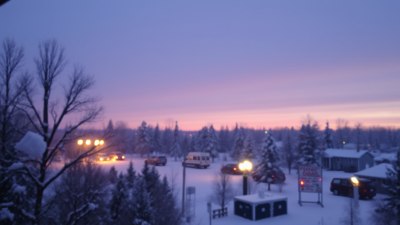
Snow days hold a special place in the collective imagination, especially for students and those who remember the simple joys of unexpected time off. The idea of waking up to a blanket of white, a pause in routine, and a spontaneous break from obligations evokes a sense of freedom and excitement. Yet, many find themselves repeatedly hoping for a snow day that never materializes. This enduring desire raises interesting questions: why do we cling to the hope of snow days, and why do they often remain out of reach?
The appeal of snow days stems from a combination of nostalgia, psychological needs, and cultural factors. Understanding these dimensions sheds light on why the anticipation often outlasts the actual event and why it can become a form of longing or even frustration when the snow day fails to happen.
The Nostalgic Pull of Snow Days
For many, snow days are tied to childhood memories of surprise school closures, frosted windows, and a day filled with play instead of lessons. These memories are often fond and imbued with feelings of joy and freedom—elements that people desire to recreate in adulthood. Nostalgia has a powerful effect on the brain, evoking feelings of comfort and happiness that can make the hope for a snow day particularly compelling.
Psychological research shows that nostalgia functions as a coping mechanism, helping individuals handle current stress by recalling positive past experiences. In this context, hoping for a snow day offers a mental escape from daily pressures such as work demands, deadlines, or routine monotony. The anticipation alone can momentarily reduce stress by offering a glimpse of a simpler, carefree time.
Psychological Comfort and the Desire for Pause
Modern life is characterized by fast-paced schedules, numerous responsibilities, and digital connectivity that blurs boundaries between work and personal time. The desire for a snow day can symbolize a deeper craving for pause and disconnection—a moment to breathe, rest, and reset. This is especially true when people feel overwhelmed or burnt out.
The unpredictability of snow days offers a break from planned schedules, which can be mentally refreshing. The unexpected nature of a snow day means a sudden stop, a chance to slow down without prior preparation. For many, this unpredictability provides a psychological boost because it breaks the cycle of routine, rekindles spontaneity, and opens the door for relaxation or joyful activities.
The Cultural Significance of Snow Days
Snow days have become culturally significant in many regions, especially in areas where winter weather is prevalent and can interrupt normal life. They symbolize a communal event where schools close, roads empty, and the rhythm of daily life shifts uniformly. This collective experience can foster a sense of belonging and shared enjoyment, enhancing the appeal of snow days.
Media portrayal of snow days accentuates this cultural value. Films, TV shows, and social media often depict snow days as magical moments filled with adventure or cozy family time. These depictions reinforce the positive associations we have with snow days, amplifying hope and anticipation.
Why Snow Days Often Fail to Arrive
Despite these strong psychological and cultural pulls, snow days are increasingly rare in many parts of the world. Several factors contribute to the scarcity of snow days, leading to repeated disappointment.
First, climate change has altered weather patterns in many regions, leading to less snowfall or snow that melts quickly, making closures less necessary. Second, educational policies and infrastructure have evolved to minimize cancellations and lost instructional time, with schools investing in better snow removal and heating equipment to stay open despite the weather. Third, societal expectations have shifted towards maintaining productivity and minimizing disruptions, meaning that schools and workplaces are less willing to close except in extreme circumstances.
The Psychological Impact of Repeated Disappointment
Repeatedly hoping for a snow day that never comes can result in a subtle form of frustration or even irritability. Anticipation heightens emotional responses, and when the anticipated event doesn’t materialize, it can lead to feelings of letdown. This experience relates to the psychological concept of expectancy violation, where the mismatch between expectation and reality influences mood.
However, this disappointment tends to be transient because the hope for snow days is flexible and often renewed each season. It becomes a cyclical process where anticipation and disappointment alternate, demonstrating human resilience in maintaining hope despite setbacks.
Ways to Find Snow Day-Like Joy Without the Snow
Since actual snow days are unpredictable and increasingly uncommon, finding alternative ways to experience their positive effects can be beneficial. Creating mini-breaks during the day, engaging in spontaneous activities, or scheduling flexible time off can mimic the restorative benefits of snow days.
Cultivating rituals that bring a pause to daily routines—such as taking a leisurely walk, enjoying a cozy cup of tea, or scheduling social time—can grant some of the mental refreshment associated with snow days. Additionally, embracing moments of unpredictability or allowing room for spontaneity in one's schedule can reduce stress and boost wellbeing.
The Symbolic Value of Hope in the Snow Day Phenomenon
Ultimately, the persistent hope for a snow day may symbolize more than just a desire for a day off—it may represent a longing for change, rest, and joy in the often demanding flow of life. The snow day embodies hope that, even amidst routine and obligation, moments of lightness and surprise can occur.
This symbolic value explains why, even when it seems unlikely or inconvenient, people continue to watch the forecast and dream of a snow day. It serves as a reminder that while we may not control the weather or the calendar, the hope for better, freer days remains a resilient and hopeful aspect of the human spirit.
In conclusion, the longing for a snow day that never comes reflects a complex interplay of nostalgia, psychological need for rest, cultural factors, and environmental changes. Understanding these elements offers insight into human behavior and suggests ways to cultivate joy and respite in contemporary life, even without the snow.