How Ice Forms Exactly Where You Step
Explore the science behind how ice forms precisely where you step, including the processes, factors, and conditions involved.
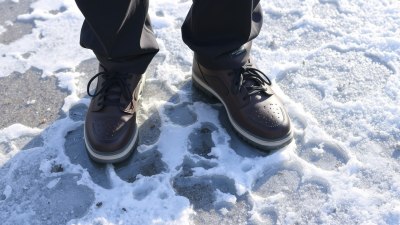
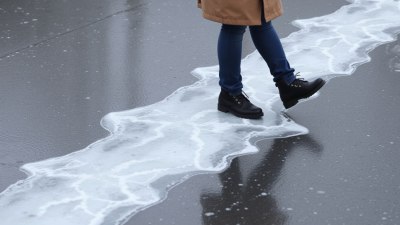
When walking outdoors during cold weather, you might notice ice forming exactly where you step. This striking phenomenon is more than just coincidental; it results from a fascinating interplay of physical and environmental factors that cause water to freeze right underneath your foot. Understanding how this happens requires delving into the principles of heat transfer, water behavior, and freezing mechanics.
The Basics of Ice Formation
Ice forms when liquid water loses enough thermal energy to reach its freezing point, typically 0 degrees Celsius (32 degrees Fahrenheit) at standard atmospheric pressure. When water freezes, it transforms from a liquid state into a solid crystalline structure, known as ice. This transformation releases latent heat, a critical concept when analyzing localized freezing events.
In natural settings, the formation of ice is influenced by ambient temperature, surface properties, moisture levels, and environmental dynamics like wind and sunlight. These factors collectively determine whether a surface or layer will freeze and how quickly that will occur.
Surface Freezing Mechanism: Why Exactly Where You Step?
The observed formation of ice exactly where you step is primarily due to the presence of water or moisture on or beneath the surface combined with localized cooling. Several mechanisms explain this occurrence:
1. Pressure-Induced Freezing and Melting: When you step on a wet surface at near-freezing temperatures, the pressure exerted on the water layer can influence its freezing point. Normally, increased pressure lowers the freezing point of water, a principle behind the operation of ice skating blades. However, this effect is minimal at everyday pressures.
2. Displacement of Heat by Contact: Your foot or shoe is generally warmer than the frozen surface. When stepping onto a cold, damp surface, the warmth and pressure can momentarily melt any ice or prevent water beneath the foot from freezing. Once you lift your foot, the water in that exact location cools rapidly, allowing it to freeze in the footprint's shape. While this explains melting and refreezing of already frozen surfaces, it does not entirely account for initial ice formation where there was none before.
3. Infrared Radiation and Surface Cooling: Surfaces exposed to clear night skies often lose heat via radiation more rapidly than the surrounding air cools. This radiative cooling can cause thin layers of moisture to freeze into ice patches. When you step on moist soil or asphalt during such conditions, the compression and disturbance of the layer of water or moisture beneath your foot can enhance heat loss and accelerate local freezing.
The Phenomenon of Cryoseism (Ice Quakes)
Although not directly connected to ice forming underfoot, cryoseism provides an intriguing perspective on how ice forms rapidly due to temperature shifts. A cryoseism, or ice quake, occurs when water in soil or rock cracks freezes and expands quickly, causing ground movement. This rapid freezing and expansion can form ice rapidly in small, localized areas, similar to how ice might appear exactly where you disturb moist, cold earth.
Environmental Conditions Favoring Ice Formation Underfoot
For ice to form exactly where you step, certain conditions must be met:
1. Moisture Presence: Water must be present at or near the surface. This may come from rain, melting snow, dew, or groundwater seepage.
2. Low Surface Temperature: The surface and shallow subsurface temperatures must be at or below the freezing point of water, allowing liquid moisture to become ice.
3. Calm or Still Air: Wind accelerates the removal of heat and can keep surfaces drier by evaporation, potentially delaying freezing. Calm, still air favors moisture retention and heat loss through radiation.
4. Surface Texture: Rough or porous surfaces trap moisture more effectively than smooth surfaces, increasing the likelihood of localized freezing.
Role of Supercooling in Ice Formation
Supercooling refers to water remaining liquid below its freezing point without forming ice crystals due to lack of nucleation centers. When you step on supercooled water on a surface, your action can introduce nucleation sites by disturbing water molecules, prompting rapid ice crystallization precisely where you made contact.
This effect means that ice can suddenly appear in the exact spot you step because your foot acts as a catalyst for crystallization. This phenomenon is common in very still, clean water or on urban surfaces with thin water films.
Footwear and Thermal Conductivity Effects
Your footwear often influences surface temperature through conductive heat transfer. Shoes or boots with insulating soles can reduce heat transfer to the ground, leaving moisture undisturbed and capable of freezing. Conversely, footwear with thin soles may transfer body heat effectively, melting existing ice temporarily. Upon lifting your foot, the now exposed moisture can freeze, leaving an icy imprint.
Furthermore, the material of the sole can affect friction, which in turn influences how moisture is spread or compressed beneath the foot, impacting the pattern and location of ice formation.
Microscale Heat Transfer Dynamics
When stepping on a damp surface, your weight compresses water into a thin film, increasing contact with the cold substrate. This enhanced contact can promote rapid heat transfer away from the liquid water, dropping its temperature below freezing more swiftly. The compressed water layer, deprived of insulating air pockets, loses heat more efficiently, encouraging ice formation in that precise area.
Scientific Studies and Experimental Observations
Laboratory experiments demonstrate that when thin films of water are cooled on various substrates, disturbance or pressure triggers ice nucleation. Studies on pavements and roads show that micro depressions and cracks retain moisture, and when stepped on, moisture compresses, promoting localized freezing.
Field researchers have observed that pedestrians often leave temporary icy footprints on urban sidewalks during frost conditions. Infrared thermography in such experiments reveals that footprints can be colder than their surroundings shortly after the step, consistent with enhanced heat loss and surface freezing.
Real-World Implications of Ice Formation Underfoot
The tendency of ice to form exactly where one steps has practical safety implications. Sidewalks and roads with thin moisture layers can become deceptively icy when stepped on, increasing slip risk. Understanding the mechanics behind this process assists in developing better de-icing methods and pedestrian safety guidelines.
In addition, this knowledge influences the design of footwear and surfaces intended for winter conditions, leading to innovations in materials that either prevent moisture retention or enhance heat transfer to reduce local freezing.
Variations in Natural Environments
In natural settings such as forest floors, tundra, or frozen wetlands, ice formation underfoot can also cause distinct patterns. When snow or frost covers moist ground, stepping causes the surface to compress and promote freezing. In permafrost regions, stepping can cause moisture trapped near the surface to freeze instantly, sometimes leading to audible cracking sounds.
These microscale physical effects contribute to larger scale phenomena such as frost heave, soil stability changes, and ecosystem impacts.
Seasonal and Climatic Influences
Seasonal shifts between freezing nights and warmer days create freeze-thaw cycles that contribute to repeated ice formation and melting underfoot. In climates with frequent temperature oscillations near freezing, this process is more pronounced and can cause accumulation of patchy ice on walkways during winter months.
Urban heat island effects can modify local temperatures slightly, affecting where exactly ice forms in metropolitan areas. Shaded regions and areas with poor drainage tend to freeze more readily underfoot due to retained moisture and cooler microclimates.
Summary of Key Factors in Step-Induced Ice Formation
Summarizing, ice forms exactly where you step because of a combination of:
- Presence of surface moisture or thin water films
- Surface and ambient temperatures at or below freezing
- Your foot's disturbance acting as a nucleation trigger for supercooled water
- Compression enhancing heat transfer and cooling of water layers beneath the foot
- Thermal conductivity properties of footwear and surface materials
Further Observations and Future Research Directions
Currently, researchers are exploring advanced imaging techniques, such as thermal cameras and microscale sensors, to better visualize and quantify the precise thermal changes when ice forms beneath feet. Nanomaterial coatings and novel surface treatments are being tested to prevent moisture accumulation and step-induced ice formation on public walkways.
Understanding this process also contributes to climate science and infrastructure resilience, particularly in regions experiencing extreme cold events and freeze-thaw challenges.
Overall, the phenomenon of ice forming exactly where you step illustrates the complexity and subtlety of physical processes occurring daily around us. Through continued research, we gain insights not only into ice physics but also into improving safety and environmental adaptation during winter conditions.