The Science Behind Winter Making Everything Louder and Worse
Explore the scientific reasons why winter amplifies sounds and intensifies discomfort, affecting our perception and environment.

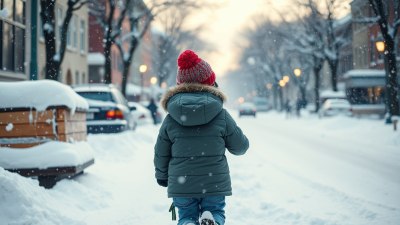
Image created with Flux Schnell
Winter is often associated with a distinct sensory experience: sounds seem sharper, colder air feels harsher, and common inconveniences often feel amplified. Many people notice that noises in winter appear louder and the overall environment more challenging. But what's behind this perceptual shift? The intriguing science of winter's impact on sound propagation and human sensation provides fascinating insights into why winter makes everything seem louder and worse.
The phenomenon of winter amplifying sound is not just a subjective impression but is rooted in well-understood physical principles. During the colder months, changes in air temperature, humidity, and atmospheric conditions significantly affect how sound travels. These factors combine to alter the way we hear the environment, sometimes making noises more penetrating and pervasive than in warmer seasons.
How Temperature Affects Sound Transmission
Sound is a wave that travels through the vibration of air molecules. The speed and clarity with which sound waves move depend heavily on the temperature of the air they traverse. In colder weather, air density increases—meaning more molecules are packed closely together—which influences the speed of sound. Interestingly, colder air slows sound down compared to warmer air. The speed of sound in air at 0°C is roughly 331 meters per second, while at 20°C, it speeds up to about 343 meters per second. This variation alone modifies how sound travels over distances.
However, the key factor that makes winter sounds appear louder is the temperature gradient, which is the way temperature changes with altitude. In winter, a temperature inversion often occurs where a layer of warmer air sits above colder air near the ground. This inversion acts like a sound channeling layer that bends sound waves back toward the surface instead of letting them dissipate upward into the atmosphere. As a result, sound waves are trapped closer to the ground, allowing them to travel farther and making sounds seem much louder to a listener.
This effect is noticed vividly in calm, clear winter nights when distant noises like city traffic, animal calls, or even human voices carry unusually well. The inversion acts almost like a natural acoustic lens, focusing and intensifying sound waves at ground level. This can cause noises that might normally be muffled or way in the background during summer to become strikingly prominent in cold weather.
The Role of Humidity and Air Composition
Alongside temperature, humidity levels also affect how sound travels. During winter, the air tends to be much drier because cold air holds less moisture than warm air. Drier air absorbs less sound energy, especially at higher frequencies, allowing sounds to carry further without significant attenuation. High-frequency sounds include many daily noises such as footsteps on snow, sharp voices, and mechanical sounds.
Moreover, colder temperatures increase the air's density, which can aid the transmission of low-frequency sounds by reducing energy loss. Thus, while cold, dry air slightly slows sound speed, it enables sound to travel farther and maintain more clarity. This paradox means winter often creates conditions under which sounds seem both sharper and more pervasive.
It is also important to note that seasonal changes in air composition, including pollutants and aerosol particles, affect acoustic properties. Pollution levels might vary with temperature and local human activity patterns in winter, sometimes absorbing or scattering sound differently. These subtle alterations can contribute to the overall experience of amplified sounds during the cold months, although temperature and humidity remain the dominant drivers.
Snow and Sound Reflection
Winter often brings snow-covered landscapes, which also play a crucial role in shaping our auditory environment. Snow acts as an excellent sound reflector and absorber simultaneously. Freshly fallen snow has a porous structure that can absorb sound, leading to a quieter ambiance by damping ambient noises. This noise dampening is why snowy landscapes can often feel more peaceful and serene.
However, when snow is compacted, icy, or crusted, its reflective properties increase significantly. Hard, frozen surfaces reflect sound waves much more efficiently, causing echoes or amplifying noises in the surrounding area. After a day of snow accumulation that hardens overnight, footsteps, vehicle sounds, or voices can become surprisingly loud and resonant. This phenomenon contributes to the perception of winter amplifying certain sounds, especially mechanical or sharp noises.
Furthermore, snow-covered landscapes restrict sound dispersion to the ground level. Sound waves do not easily penetrate deep into thick snow buffers, so energy is mainly reflected or absorbed in the immediate vicinity, enhancing local sound intensity and sharpness. Combined with temperature inversion effects, reflected sounds from snow surfaces intensify the overall loudness during winter.
Human Physiology and Winter Sensory Perception
Beyond the physical changes in sound transmission, the way humans perceive sound and discomfort during winter is also influenced by physiological factors. Cold temperatures can heighten sensitivity to pain and discomfort by triggering sensory nerve endings and reducing blood flow to extremities. When under cold stress, human focus tends to narrow in on nearby noises and sensations, potentially making them feel louder or more intrusive.
Moreover, winter often causes congestion in sinuses and nasal passages, slightly affecting auditory perception. Changes in ear pressure and minor swelling of tissues alter resonance and muffling, which can skew sound perception. Additionally, wearing bulky winter clothing around ears, such as earmuffs or hats, can change how sound is filtered and absorbed before reaching the eardrum.
Psychological factors also play a role. Shorter daylight hours and reduced outdoor activity during winter can heighten awareness of environmental sounds, making them stand out more sharply compared to the distraction-rich summer months. The sensation of cold itself is sometimes linked with heightened irritability or discomfort, which may increase sensitivity to auditory stimuli.
Environmental Noise Sources and Winter Challenges
Winter introduces or intensifies certain noise sources that contribute to the perception of a louder and worse sound environment. For instance, traffic noise can seem louder due to the reasons outlined above, but also because of increased use of snowplows, salt spreaders, and winter maintenance vehicles. Road repairs and construction may pause, but winter-specific machinery is active, contributing distinctive mechanical sounds.
Heating systems in buildings, such as furnaces and boilers, often operate more frequently, generating additional background noise. Cracking noises from freezing and thawing pipes or exterior surfaces add to the acoustic complexity during colder periods. Ice forming on trees and powerlines can cause creaking or popping sounds that are more noticeable at night and in tranquil winter surroundings.
Many animals also alter their behavior in winter, producing different sound patterns. Some species become quieter, while others create distinct winter calls or movements that can be startling or prominent. These natural winter soundscapes add layers of auditory detail that contrast with the typically muted summers.
People's behavioral changes during winter impact noise as well. Indoor activities generate more interior noise leakage into outdoor spaces, while fewer people are out to mask or compete with environmental sounds. This relative quiet makes each sound more apparent, contributing to the sensation of amplified noise.
Implications and Adaptations
Understanding the science behind winter's impact on our auditory environment can help manage discomfort and improve well-being. For example, knowing that temperature inversions amplify sound can encourage urban planners to design better noise barriers or schedule noisy activities with these conditions in mind. Homeowners and architects might consider improved insulation or window treatments to reduce unwanted winter noise infiltration.
Individuals can also adapt to the increased sound sensitivity by using ear protection when necessary or employing white noise machines indoors to mask intrusive sounds. Maintaining good sinus health and warming clothing can mitigate physiological impacts on sound perception. Being mindful of how winter sounds affect mood and stress levels may help people find coping strategies during darker, colder months.
Environmental conservation efforts that promote healthy snowpack and vegetation can influence local acoustics positively, preserving natural noise absorption qualities. Additionally, creating quieter urban winter environments benefits both humans and wildlife, reducing stress and promoting better health outcomes.
The multifaceted ways winter makes everything sound louder and worse demonstrate the complex interaction between nature's physical laws and human experience. From air temperature and humidity to snow characteristics and physiological responses, the season reshapes our sensory world in unique ways. By exploring these mechanisms, we gain a deeper appreciation of the dynamic winter environment and how to better live within it.
Ultimately, the perception that everything is louder and worse in winter is a scientifically grounded phenomenon that blends atmospheric physics, environmental acoustics, and human biology. Recognizing these factors allows for smarter design choices, improved comfort, and a greater understanding of the subtle seasonal rhythms that govern our everyday lives.