The Science Behind Snow That Crunches Too Loudly
Explore the scientific reasons why some snow crunches loudly underfoot, revealing temperature, crystal, and environmental factors.
Snow is more than just frozen water; it’s a complex and dynamic material whose physical properties can change dramatically with weather conditions and geography. One fascinating phenomenon that many people notice during winter walks is the loud crunching noise that some snow makes underfoot. This sound is not random but rather the result of various scientific principles relating to snow’s microstructure, temperature, and the hygienic environment of the snowpack.
What Causes the Crunching Sound of Snow?
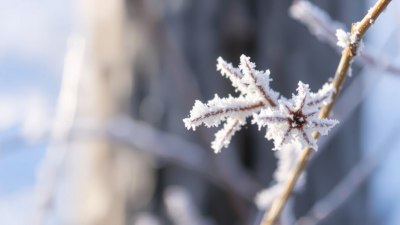
When you step on snow and hear a sharp, crunching sound, you are actually hearing the fracturing of individual snow crystals. Snowflakes are composed of ice crystals that have intricate shapes, such as dendrites or plates, which connect loosely when snow falls. Over time, these crystals can change due to temperature fluctuations and pressure, affecting the way they interact when forced together or broken apart.
The crunch sound arises when the snow crystals break or deform under pressure. The rigid crystalline structure of snow can snap or crack, creating a distinctive noise. This noise is amplified when the snow is dry and cold because the ice becomes stiffer and less elastic. When snow is warm or wet, it tends to deform plastically, absorbing pressure without loud fracturing sounds.
Role of Temperature in Snow Crunchiness
Temperature has a direct effect on the state of snow crystals and the resulting acoustics. Snow that crunches loudly is typically found in temperatures well below 0°C (32°F). At these colder temperatures, snow crystals maintain a rigid structure and the thin bonds between them are hard and brittle. As you press the crystals together or step on them, these bonds snap, producing the cracking sound.
Conversely, near-melting temperatures cause snow to become wetter and slushier. The ice transforms partially into liquid water, which lubricates the crystals and reduces friction and fracture. This makes snow quieter and more mushy when stepped on. This is why the crunching sound is often associated with frosty, early winter mornings or the coldest periods of the day.
Microstructure and Snow Crystal Types Affecting Sound
Snow consists of countless individual ice crystals that aggregate to form the larger snowpack. The shape, size, and bonding of these snow crystals affect the mechanical behavior of snow. Fresh snow has loosely bonded, large dendritic crystals with high porosity, causing snow to compress softly and produce little sound.
As snow ages, it undergoes metamorphism, where crystals grow, bond, or round off due to sublimation and temperature gradients. This process results in smaller, more angular, and densely packed grains known as “sintered” snow, which is stiffer and more brittle. This sintered snow will produce the loud crunch because the ice grains snap against each other instead of sliding smoothly.
The Impact of Snow Density and Moisture Content
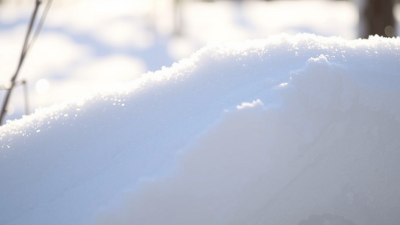
Dry, low-density snow contains a lot of trapped air and has a granular structure, which makes it more susceptible to fracturing sounds when compressed. The dry air acts as an insulator, keeping temperatures cold and enabling distinct crystal edges to persist. When pressure is applied to this dry snow, the grains break apart sharply, generating pronounced crunching noises.
In snowy environments with high humidity or milder temperatures, snow absorbs moisture, increasing the density and reducing air pockets. This makes the snow grains adhere more tightly with a plastic bond. These plastic bonds deform slowly, dampening sounds from pressure. Thus, moist snow is quieter underfoot compared to dry, powdery snow.
Environmental Conditions Enhancing Loud Snow Crunching
Several weather-related factors enhance the crunchiness of snow. Clear skies and cold nights cause rapid radiative cooling of the snowpack, dropping the temperature several degrees below the freezing point of surrounding air. This intense cooling refreezes any surface moisture, creating an ice crust or interlocking crystal network that snaps loudly when stepped on.
Additionally, low humidity and calm conditions limit heat transfer into the snowpack, preserving low temperatures and dry crystal surfaces. Wind can also remove surface moisture by sublimation, keeping the snow crisp and crunchy. Therefore, fresh snowfall followed by clear, cold nights often results in the loudest and most satisfying crunch.
Studies Using Acoustic Sensors on Snowpack
Researchers have studied the acoustic emissions from snowpack to better understand avalanche risks and snowpack stability. Acoustic sensors detect the tiny cracks and shifts within a snow column as snow crystals fracture or slip. The sounds recorded provide insight into the internal structural changes of snow, which can precede avalanches.
The same physical phenomena that cause microfractures for avalanche predictions are responsible for the audible snow crunch underfoot. The scale is different, but the principle of fracture-induced sound waves remains consistent. Studying these acoustic emissions helps scientists quantify snowpack conditions over time.
Temperature Dependent Variables: The Phase Diagram of Ice
The phase diagram of ice shows that ice can exist in multiple forms depending on temperature and pressure. For typical snow conditions, common hexagonal ice (Ice Ih) dominates. At very low temperatures, ice is extremely brittle, contributing to snapping crystal bonds when pressure is applied.
When the temperature rises and approaches melting point, a thin layer of liquid water forms on the surface of ice crystals, known as premelting. This liquid lubrication prevents brittle fracture and muffles crunching sounds. The thickness of this layer varies with temperature and humidity, thus controlling the audible snow crunch.
Human Perception and Acoustic Characteristics
Snow crunching is perceived as a bright, high-pitched crackling noise. The hardness and stiffness of the snow surface modulate the sound waves, creating a unique auditory sensation. Psychologically, the crunchy sound can be satisfying or eerie depending on context and expectations.
The intensity and frequency of the crunch can also inform us about the snow condition — louder, sharper crunch often denotes colder, drier snow, while muffled steps suggest warmer, wetter conditions. In some cultures, this sound is a nostalgic hallmark of winter.
Everyday Examples and Variations Around the World
In Arctic regions, the crunching sound of snow is an important environmental cue for indigenous peoples. Hunters rely on the snow’s firmness and crunch quality to gauge ice thickness and safety. In contrast, in more temperate snow regions, crunching snow typically occurs after a cold snap or during the early winter season before melts soften the surface.
Variations also occur depending on altitude and vegetation cover, which can insulate the snow and affect temperature and moisture retention. Urban snow often contains impurities, altering its crunchiness to be less pure compared to wilderness snowpacks.
Factors That Reduce or Eliminate the Crunch
When snow doesn’t crunch loudly, it is usually because of increased moisture content, melting and refreezing cycles that create ice layers, or because the temperature is too warm for brittle crystal behavior. Melting snow forms smooth ice layers or compact slush, which do not fracture easily, resulting in quieter footsteps.
Snow that has been subjected to repeated freeze-thaw cycles becomes dense and icy. Instead of crunchy fractures, footsteps result in crunch-free footslide or a dull crack as ice layers compress. These conditions are often less safe for walking and can lead to slips and falls.
Snow Acoustic Properties in Scientific and Practical Applications
The study of snow acoustics is not just academic; it has practical impacts in fields such as avalanche forecasting, winter sports safety, and remote sensing. Acoustic sensors placed in snow help forecasters understand stress points within snowpack to predict failures. Further, the sound of snow affects trail maintenance and winter road conditions where compacted snow and ice generate different friction and noise levels.
In winter tourism, the auditory experience of crunching snow is part of the ambiance, influencing the design of winter hiking trails and ski resorts. Understanding the physical basis of snow crunching also informs product development for footwear and equipment designed for optimal traction and noise control in winter conditions.
Future Directions in Snow Acoustic Research
With advances in acoustic imaging and snow crystal microscopy, future research aims to map snow crystal fracturing in three dimensions and real time. This could yield better prediction models for snowpack behavior in varying climates. Linking microstructural changes to acoustic signals will enhance environmental monitoring and provide early warnings for natural hazards.
As climate change alters snowfall patterns and temperatures, the characteristics of snow crunch and snowpack stability may shift. Understanding these changes at a molecular and acoustic level is crucial for adapting safety protocols and winter infrastructure.
In summary, the loud crunching sound of snow results from an interplay of temperature, crystal structure, moisture content, and environmental conditions influencing how ice crystals break and shift under pressure. This auditory signature serves as a natural indicator of snow’s physical state, revealing much about winter’s frozen landscape.