Why You Feel Like a Piece of Toast Walking Across a Parking Lot
Explore the quirky sensation of feeling like a piece of toast when traversing a parking lot.
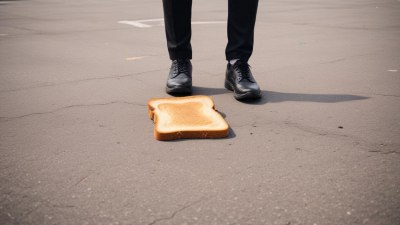
This image was created with the assistance of Freepik
Have you ever experienced a peculiar feeling while walking across a parking lot, one that resembles the sensation of being a slice of toast? It may seem odd, but this experience is more common than you think. In this article, we will delve into the phenomenon of feeling like a piece of toast, exploring the psychological and physiological factors that contribute to this whimsical sensation. From the science of perception to the influence of mood and environment, we will uncover the layers behind this strange feeling and what it might signify about our state of mind.
The Origins of the Sensation
The feeling of being like a piece of toast while walking across a parking lot can be surprising. Yet, when we examine its origins, we see that it may stem from a combination of sensory overload, disassociation, and environmental factors. Parking lots are bustling with activity, filled with vehicles and pedestrians, creating significant stimuli that can overwhelm our senses. This sensory overload can contribute to a perception of reduced control, making us feel out of place or as if we are a small, insignificant object in a vast space.
Sensory Overload: A Closer Look
When navigating a busy parking lot, the brain receives a plethora of input from various senses: the sight of cars moving in and out, the sounds of engines running and horns honking, the feel of pavement underfoot, and the smell of nearby food trucks or gasoline. For some, this flood of information may lead to sensory overload, a condition wherein the brain struggles to process so much simultaneously. During these moments, individuals might dissociate, causing a detachment from reality where they feel less like an individual and more like an object, like a piece of toast, being ignored in the bustling world around them.
The Role of Disassociation
Disassociation is a psychological state where a person experiences a detachment from their surroundings or their sense of self. This feeling can occur as a coping mechanism in stressful situations, and it may lead to bizarre feelings, such as one feeling like mere object. In the context of a crowded parking lot, this could manifest as a fleeting feeling of being a piece of toast — passive, unimportant, and at the mercy of the environment. It is essential to recognize that these feelings are not unusual, especially in overwhelming or chaotic situations.
Psychological Factors at Play
A variety of psychological factors can also amplify this sensation. Mood, stress levels, and mental state can all influence how we perceive ourselves in public spaces. When someone feels anxious or self-conscious, they might experience a heightened awareness of their surroundings, making them feel smaller or more insignificant. This sensation can be compounded by negative self-talk, causing one to feel like they are being scrutinized by others, further alienating them and contributing to the feeling of being like toast.
Cultural and Social Influences
Cultural perceptions of self and societal expectations can play a significant role in how individuals feel in public spaces. Many cultures place a tremendous emphasis on image, creating pressure to conform to certain ideals. When faced with cultural or social judgments, individuals may experience a heightened sense of vulnerability. In a parking lot filled with strangers, feelings of inadequacy can intensify personal perceptions, leading to bizarre sensations such as feeling like an object rather than a person. This concept gets exacerbated in places flooded with traffic, highlighting one’s fleeting presence amongst the chaos.
The Environmental Impact
The design and aesthetics of parking lots can also impact feelings of detachment. Large, open spaces can make individuals feel insignificant, much like a piece of toast on an expansive countertop. Empty lots or poorly planned layouts can exacerbate feelings of isolation. The lack of personalization in parking lots—clear signage, bland colors, and lack of greenery—can contribute to an impersonal atmosphere where one feels more like an object or background feature than an active participant. This environmental aspect can significantly influence our mental states and feelings of belonging.
How to Reground Yourself
If you find yourself feeling like a slice of toast while walking across a parking lot, there are several strategies to bring yourself back to a grounded state. First, practice mindfulness. Being present in the moment can help dispel feelings of disassociation. Focus on your breath; observe your surroundings with curiosity instead of feeling consumed by them. Slow down. By taking your time, you may regain a sense of control over your experience. Engaging with your senses can also help; listen to the sounds around you, feel the texture of the pavement, and observe the colors and movements of vehicles. Doing so can help reaffirm your presence in your environment.
Embracing the Experience
In summary, the next time you find yourself feeling like a piece of toast while traversing a busy parking lot, remember that you are not alone in this whimsical sensation. By understanding the psychological and environmental factors at play, you can better navigate this experience. Consider it an opportunity for self-reflection and awareness. Embrace the wonder of this quirky feeling, allowing it to serve as a reminder of how our surroundings can influence our perceptions. Although you may feel like a mere slice of bread when placed against the backdrop of a chaotic parking lot, remember that you are much more than that—you are a person with thoughts, feelings, and a unique perspective worth celebrating.