Why Your Phone Dies First in a Winter Apocalypse
Discover why your phone battery drains quickly in winter and learn tips to keep it alive during cold weather emergencies.
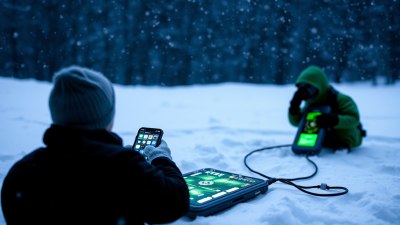
Image created with Flux Schnell
Winter presents many challenges, not just for people but also for their electronic devices, especially smartphones. Have you ever noticed that your phone battery seems to die out faster when it's cold? This phenomenon becomes even more critical during a winter apocalypse scenario, where communication and staying informed can mean the difference between safety and danger. In this article, we explore the science behind why phones die first in extreme cold, the effect of winter conditions on battery performance, and practical steps to keep your phone operational when you need it most.
Understanding Smartphone Batteries and Cold Weather
Most modern smartphones use lithium-ion batteries, prized for their high energy density and recyclable nature. However, these batteries are sensitive to temperature changes, especially low temperatures. At cold temperatures, the chemical reactions inside the battery slow down, reducing the battery's ability to deliver power. This lowered efficiency causes the battery to drain quickly or even shut down unexpectedly.
When a lithium-ion battery is cold, the electrolyte inside it becomes more viscous, hindering ion movement. As a result, less current flows, leading to a drop in voltage. The phone’s internal circuitry watches for voltage levels to gauge battery power, so when the voltage falls below a certain threshold—even if the battery still holds charge—the phone will shut off to protect the battery’s health.
In winter apocalypse conditions, where temperatures might plummet well below freezing, this effect is amplified dramatically. Standard operational temperatures for most lithium-ion batteries range from 0°C to about 35°C (32°F to 95°F), but performance begins degrading noticeably as temperatures drop below 15°C (59°F). At sub-zero temperatures, the phone battery capacity can reduce by 30% to 50% or more instantly.
How Cold Weather Physically Affects Your Phone Battery
Aside from electrochemical slowing, cold weather can cause physical stress in the battery. Extreme cold makes battery materials contract and can lead to microfractures or separation between internal layers over time if the phone is exposed frequently. While this kind of damage accumulates, the immediate concern is the diminished ability to supply current to the phone’s components.
The cold also affects other internal components and the screen of your phone. LCD screens, for example, can become unresponsive or slower to update in frigid temperatures. While this does not directly kill the phone, it impacts the usability during critical times.
Why Phones Fail First in a Winter Apocalypse
During extreme winter conditions, multiple factors contribute to your phone being among the first devices to fail. Unlike other electronics that may be powered through different sources or designed for rugged environments, smartphones rely heavily on their internal battery. When that battery’s performance drops, the only way to keep the phone alive is to warm it up or supply external power promptly.
Additionally, in such scenarios, power sources are scarce or intermittent. Charging options may become unavailable if electrical grids fail or portable power banks are depleted. The cold air itself exacerbates battery drain, so even if you have a battery charged to full capacity indoors, the moment you step outside in the cold, the phone’s effective charge plummets.
The incessant need to check weather updates, navigation, emergency alerts, and communication apps means the phone is also working harder. Increased screen time, GPS usage, and network activity consume power at an accelerated rate, shortening battery life further.
Common Misconceptions About Phone Performance in Cold Weather
Many users mistakenly believe that their phone is permanently damaged when it shuts off in cold weather. In many cases, the phone battery is temporarily unable to deliver sufficient voltage due to cold conditions, but once warmed, the phone can restart and show restored battery life. However, prolonged or repeated exposure to extreme cold without proper precautions can degrade battery health.
Another misconception is that turning the phone off saves battery in cold weather. While turning off certain functions can reduce power draw, the battery itself is still impaired at low temperatures and may continue to lose charge gradually.
Practical Tips to Keep Your Phone Alive During Winter Emergencies
In a winter apocalypse, preparation is critical. There are several ways to mitigate cold weather's impact on your phone:
Keep Your Phone Warm: Always carry your phone in an inside pocket close to your body. The warmth from your body heat helps maintain battery temperature above freezing. Avoid leaving it in exposed coat pockets or outside where temperature drops drastically.
Use Insulating Cases: Thermal or insulated phone cases can add an extra barrier against cold air. While not foolproof, they help delay temperature drops and provide some protection during short outdoor trips.
Limit Battery Usage: Turn off unnecessary functions like Bluetooth, Wi-Fi, and background apps. Reduce screen brightness and enable airplane mode if communication is not critical.
Carry Portable Chargers: High-quality power banks can supplement phone power. Look for models rated to operate in cold environments, as some batteries in these chargers are similarly affected by temperature.
Utilize External Heat Sources: In emergencies, warming your phone with body heat, placing it near a heat source (but not directly on or over a flame), or using heat packs can help revive its function.
Optimize Battery Health: Avoid letting your phone fully discharge. Lithium-ion batteries perform best when kept between 20% to 80% charge. Cold weather stresses the battery, so maintaining a proper charge level is more important during winter.
The Role of Software and Firmware in Managing Cold Battery Impact
Smartphone manufacturers are aware of cold weather effects and often implement software-based battery management systems. These systems can temporarily reduce performance or restrict certain functions to preserve battery life and avoid sudden shutdowns.
For instance, the phone might limit processor speed or background processes during cold conditions. Such measures can make the phone feel slower but are intended to optimize available battery power.
However, these protections have limitations in extreme cold, beyond typical weather variations, especially in a severe winter apocalypse where temperatures may exceed devices' design tolerances.
Alternative Power Solutions for Extreme Cold Environments
In prolonged winter emergencies, relying solely on smartphone batteries can be inadequate. Alternative power sources can offer better reliability:
Thermoelectric Generators: These devices convert heat to electricity and can keep batteries charged using body heat or small flames carefully managed outdoors.
Solar Chargers: On clear winter days, portable solar panels can recharge phones. But cold weather and shorter daylight hours reduce their efficiency.
Hand-Crank Chargers: Manual charging devices allow you to generate power by hand, ensuring your phone remains powered even without external energy sources.
Innovations Aimed at Improving Battery Performance in Cold
Researchers are actively exploring battery chemistries that perform better at low temperatures. Solid-state batteries, modifications in electrolyte composition, and advanced thermal management systems represent promising avenues. While these technologies are still being commercialized, they could significantly reduce battery vulnerability in future devices.
Some rugged smartphones designed for outdoor, industrial, or military use already include enhanced thermal regulation and improved battery designs to withstand colder environments; however, these are typically more expensive and less common among average consumers.
What To Do If Your Phone Dies in a Winter Apocalypse
If your phone dies despite all precautions, having a backup communication plan is critical. Carrying a compact satellite communicator, two-way radio, or ensuring someone knows your location ahead of time can save lives. Do not rely solely on your smartphone during emergencies.
Keeping paper maps, written emergency contacts, and survival guides is also advisable since digital devices may become unreliable. Additionally, conserving phone battery by turning it off entirely or only powering it on periodically can extend the remaining charge to when it is most needed.
Impacts Beyond Smartphones: Other Devices at Risk
Not only phones but other portable electronics like GPS units, cameras, and smartwatches also suffer performance loss in cold conditions. Understanding their cold weather limitations helps prepare comprehensive survival kits and avoid technological failures in harsh environments.
Laptop batteries, for example, may fail similarly, although many laptops are not used outdoors in freezing temperatures as commonly as phones. Nonetheless, it is good to be aware that cold weather impacts all lithium-ion based devices.
Understanding the reasons your phone battery dies first in a winter apocalypse is crucial to ensuring your survival and communication capabilities remain intact. The underlying cause is electrochemical reactions slowing down due to low temperatures, causing lesser voltage output and sudden phone shutdowns.
By keeping your device warm, managing battery usage, carrying extra power sources, and having backup plans, you can greatly improve your chances of staying connected through even the harshest cold conditions.
Being proactive about cold weather phone care not only protects your valuable devices but can be lifesaving in critical moments when help is needed the most.