Barometric Pressure in Winter: Falling Fast, Like Temperatures
Explore how winter barometric pressure changes rapidly alongside falling temperatures and its effects on weather and health.
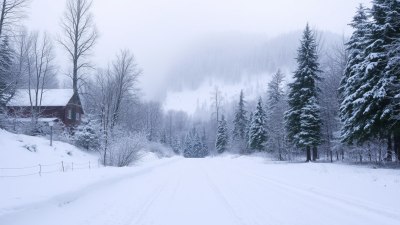
Winter is known for its biting cold, snowy landscapes, and shorter days, but another atmospheric factor plays a significant role during this season: barometric pressure. This invisible force, often unnoticed by many, fluctuates dramatically in winter months, sometimes dropping as quickly as temperatures plunge. Understanding the relationship between barometric pressure and winter weather helps explain the mood swings of nature, the forecasting of storms, and even certain human physiological responses.
At its core, barometric pressure, also known as atmospheric pressure, is the weight of the air pressing down on the Earth's surface. It's measured in units such as millibars (mb) or inches of mercury (inHg). Standard sea-level pressure averages around 1013 mb or 29.92 inHg, but this value varies with altitude, temperature, and weather systems. In winter, pressure systems shift frequently, leading to rapid changes that influence weather conditions markedly.
One of the key features of winter atmospheric behavior is the frequent movement of low-pressure systems, or cyclones, across many regions. These systems are marked by falling barometric pressure, signaling incoming weather changes like storms, snow, or rain. When a low-pressure system approaches, the pressure can drop rapidly, often in tandem with a cooling trend. This synchronicity results because colder air is denser and heavier, altering the atmosphere's overall pressure profile.
Conversely, high-pressure systems, or anticyclones, dominate during calm, clear winter days. These systems push pressure levels higher, often stabilizing the atmosphere and leading to colder, clearer weather. The interplay between these highs and lows dictates the rhythm of winter weather – alternating between snowstorms and bright, crisp days.
Barometric pressure changes are particularly perceptible in winter because the temperature gradients between air masses tend to be sharper. For example, the clash between cold Arctic air and warmer, moist air from the south creates dynamic pressure changes. This leads to more vigorous storms and weather fronts than during other seasons.
Tracking barometric pressure helps meteorologists predict when a storm system will arrive and how it will evolve. For instance, a sharp drop in pressure often precedes snowfalls by hours to days. These pressure shifts impact not just the weather but also people's well-being. Many individuals report headaches, joint pains, or mood variations in response to rapid pressure changes, a phenomenon often linked to shifts in winter weather patterns.
The rapid fall of barometric pressure in winter also affects aviation and outdoor activities. Pilots must adjust for pressure changes to maintain correct altitude readings, while outdoor enthusiasts consider the pressure trend to anticipate incoming weather shifts. Barometric pressure is thus an essential parameter beyond meteorology, influencing various aspects of daily life during winter.
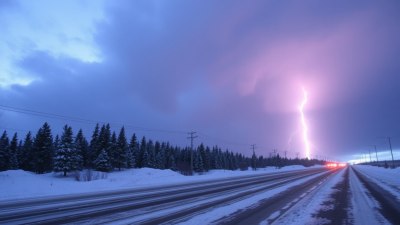
Scientific studies have shown that winter storms often coincide with strong pressure gradients – differences in pressure over a certain distance – generating powerful winds and precipitation. These gradients intensify when a low-pressure system rapidly deepens, a process known as cyclogenesis. Rapid pressure falls can result in blizzard conditions, especially when combined with frigid temperatures and abundant moisture.
In some cases, extraordinarily fast pressure drops during winter are linked to major weather events, such as nor’easters along the U.S. East Coast or polar vortex disruptions. Understanding these phenomena is critical for preparedness and mitigating impacts on infrastructure and vulnerable populations.
A closer look at atmospheric physics reveals that cold temperatures cause air to contract and become denser, typically increasing pressure. Yet, the arrival of a winter storm often involves warming aloft and moisture influx, which can cause surface pressure to fall as air rises and expands. This complex interplay makes predicting pressure trends a science reliant on high-resolution data and experience.
Barometric pressure also affects snowfall types and quantities. A steady pressure drop can enhance moisture convergence and lift, leading to heavier snow. Sudden pressure shifts might bring changes from snow to sleet or freezing rain as temperature layers aloft fluctuate. These variations challenge forecasters and highlight the nuanced role of pressure in winter precipitation patterns.
On a larger scale, global circulation patterns, such as the polar jet stream, influence barometric pressure behavior during winter. The jet stream's undulating path creates alternating zones of high and low pressure, channeling cold air masses and storm tracks across continents. During winters when the jet stream dips southward, rapid pressure drops and harsh weather often follow.
These global and regional pressure dynamics have implications for climate studies. Examining past winter pressure trends helps scientists understand changing weather patterns and potential impacts of climate change. For example, altered sea surface temperatures in the Arctic can affect pressure systems and winter severity in mid-latitudes.
Technological advances have improved our ability to monitor barometric pressure with finer temporal and spatial resolution. Automated weather stations, satellite observations, and sophisticated models allow for near-real-time tracking of pressure changes. This capability has enhanced warnings for winter storms and improved safety for communities worldwide.
For individuals interested in monitoring barometric pressure themselves, many home weather stations and smartphone apps provide locally updated readings. Observing pressure trends can help anticipate weather changes even without meteorological training. Recognizing a rapid drop in pressure might prompt actions such as securing outdoor items or preparing for potential heating needs.
Traditional wisdom around weather often references barometric pressure changes. Phenomena like a “pressure headache” or “stormy weather pain” have been noted anecdotally for centuries. Modern research continues to explore these connections, sometimes finding correlations between rapid pressure drops and increased reports of migraines or arthritis discomfort during winter months.
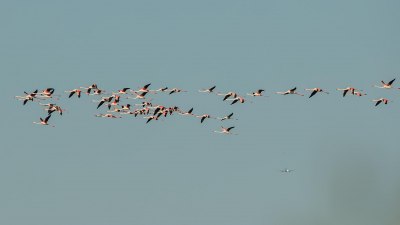
In terms of wildlife, many animals respond to barometric pressure shifts. Migratory birds adjust flight timing in response to pressure changes signaling storms, while hibernating animals may alter their activity periods. Understanding these patterns adds richness to the ecological implications of winter pressure changes.
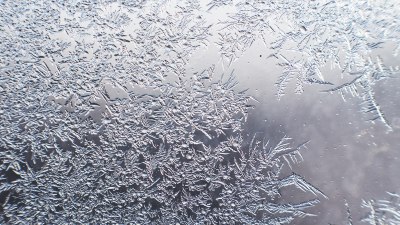
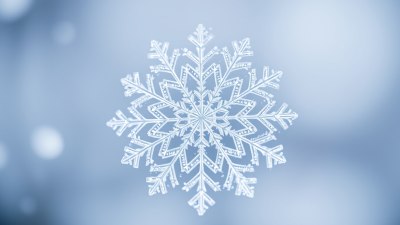
Barometric pressure also plays an unheralded role in snow and ice formation. Pressure-dependent variables influence how water vapor condenses and crystallizes, affecting snowflake shapes and densities. This subtle influence shapes both the beauty and behavior of winter landscapes.
Ultimately, barometric pressure’s dance with falling winter temperatures is a critical part of Earth's atmospheric ballet. The rapid declines in pressure accompany the cold air masses and storm systems that define the season, influencing weather, ecosystems, human health, and societal operations. Studying and respecting this invisible force opens a window into the complexity and wonder of winter's power.
Maintaining an appreciation for barometric pressure encourages preparedness and a deeper connection to the environment. As winter advances, tracking these pressure trends becomes not just a scientific endeavor but a practical activity, helping communities navigate the challenges posed by the season's rapid weather changes.
While many focus solely on temperature readings in winter, incorporating barometric pressure into consideration offers a more complete understanding of the atmospheric conditions. This holistic approach provides insights into the timing and intensity of winter events, supporting better decision-making at all levels.
In summary, falling barometric pressure in winter parallels dropping temperatures and is intricately connected to the season’s defining weather phenomena. The shifts in pressure herald changes in snowfall, storms, and cold spells, impacting humans, animals, and the environment. Recognizing the patterns and implications of barometric pressure deepens knowledge of winter dynamics, aids forecasting, and enhances responses to the season's challenges.