The Meteorology of Frozen Fingers and Bad Decisions
Explore how cold weather influences human judgment and physical dexterity, leading to frozen fingers and poor decisions.
Understanding the intricate relationship between meteorological conditions and human behavior is a complex yet fascinating endeavor. Among the most challenging weather-induced phenomena are situations where cold temperatures cause impaired physical and cognitive performance, often summarized humorously as 'frozen fingers and bad decisions.' This phrase encapsulates the real dangers of cold weather on our body's dexterity and mental processes, which can lead to accidents, misjudgments, and unfortunate outcomes.
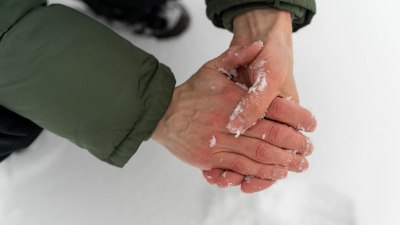
Fingers, being extremities, are especially vulnerable to cold temperatures. They have a high surface area-to-volume ratio, meaning they lose heat quickly compared to other parts of the body. When exposed to low temperatures, the body prioritizes conserving heat for vital organs like the heart and brain, resulting in reduced blood flow to the hands and feet. This vascular response, while protective at the core, causes the fingers to become numb, stiff, and slow, impairing fine motor skills. Consequently, simple tasks like tying a knot, handling tools, or dialing a phone become increasingly difficult.
From a meteorological standpoint, the risk of developing cold-induced conditions like frostbite or hypothermia escalates as ambient temperature drops, especially when combined with factors such as wind chill, humidity, and wetness. The wind chill factor is particularly notorious for accelerating heat loss by increasing the convective transfer of thermal energy from the skin to the air. For instance, a temperature of -10°C with a strong wind can feel like -20°C or even lower, significantly increasing the risk of cold-related injuries.
Wind chill is calculated based on a formula that considers air temperature and wind speed, expressing the perceived temperature by human skin. The National Weather Service (NWS) provides wind chill charts that aid in understanding how quickly frostbite can occur under varying conditions. For example, an exposed finger can freeze within minutes when wind chill drops below -20°C, emphasizing the need for adequate protection and caution in such environments.
Psychology, too, plays a critical role in how cold weather impacts decision-making. Cognitive functions such as attention, memory, and executive functioning tend to deteriorate in cold environments. Studies have demonstrated that exposure to low temperatures results in slower reaction times and reduced vigilance. The brain's prefrontal cortex, responsible for complex decision-making and risk assessment, becomes less efficient, leading to a higher likelihood of errors and poor judgments.
This cognitive decline is exacerbated when individuals experience discomfort and pain from the cold, further distracting their focus and inducing stress. For example, when fingers become numb, the brain receives distorted sensory inputs, which can cause confusion and hesitation. This impaired psychomotor performance has real-world consequences; accidents involving machinery, vehicular operations, or even simple navigation through icy terrains become more frequent.
Moreover, cold environments can trigger an emotional response characterized by irritability and impatience. The physiological stress induced by cold pain elevates cortisol levels, modulating mood and decision-making processes. In high-stakes situations such as mountaineering or emergency response, these emotional shifts can lead to rash decisions or neglecting safety protocols, compounding risk.
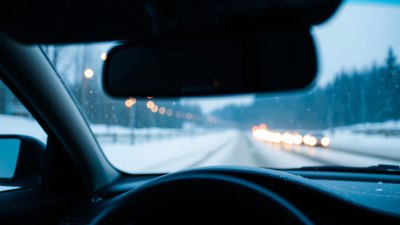
One common example illustrating the conjunction of meteorology and human errors is winter driving. Snow, ice, and cold temperatures adversely affect vehicle control and road conditions. Combining this with the driver's impaired dexterity—perhaps struggling with steering wheel grip due to numb fingers—and reduced cognitive clarity raises the odds of accidents dramatically. Drivers may misjudge stopping distances or fail to respond promptly to hazards, emphasizing the need for heightened awareness and precautionary measures in cold weather.
Historically, numerous tragedies have been linked to cold-induced impairments. Arctic explorers and winter sports enthusiasts often confront severe consequences when cold weather impedes their physical abilities and judgment. For instance, frostbite cases are common in polar expeditions where prolonged exposure to subzero temperatures and strong winds is inevitable. Victims not only suffer tissue damage but also exhibit compromised decision-making abilities, sometimes leading to fatal outcomes.
Preventive strategies focus on both physiological protection and behavioral adaptations. Adequate clothing, including insulated gloves and layered garments, helps maintain digit warmth and prevents rapid cooling. Ergonomic design in cold-weather gear enhances the ability to perform tasks without excessive loss of finger dexterity. Additionally, applying techniques such as warming breaks, frequent movement of extremities, and proper hydration assist in sustaining blood flow and cognitive function.
Public education campaigns underscore safety protocols for cold exposure, stressing awareness of symptoms like numbness, tingling, and discoloration as early indicators of frostbite. People are advised to seek shelter promptly and rewarm affected areas gradually to avoid further tissue damage. Awareness of the psychological impact of cold environments encourages individuals to plan and communicate effectively during winter activities, reducing the likelihood of bad decisions caused by impaired cognition.
On a larger scale, meteorological forecasts and alerts aid communities and individuals in preparing for cold spells. Weather services provide essential information about expected temperatures, wind speeds, and wind chill indices, enabling informed decisions regarding outdoor activities. The integration of meteorological data into public safety warnings plays a vital role in minimizing cold-related mishaps.
Emerging technologies also contribute to mitigating risks associated with cold weather. Advanced materials capable of retaining heat and improving finger mobility are in development, enhancing the functionality of gloves and other wearables. Furthermore, smart devices equipped with temperature sensors and alert systems can notify users when conditions become hazardous, promoting timely interventions.
In consideration of the complexity behind 'frozen fingers and bad decisions,' a multidisciplinary approach combining meteorology, physiology, psychology, and technology presents the most effective framework. Understanding how cold affects the human body and mind allows for the creation of better strategies to maintain safety and performance during winter conditions.
Weather's influence on human behavior extends beyond physical discomfort. The subtle yet profound effects on neuroscience challenge us to reconsider how environmental factors shape daily life. As communities in cold climates continue to adapt, blending tradition with innovation, the lessons derived from the meteorology of frozen fingers serve as crucial reminders to respect nature's forces.
In urban settings, prolonged exposure to cold during commutes or work can also induce similar risks. Public infrastructure needs to accommodate safe passage by minimizing icy surfaces and offering heated shelters or transit options. Employers and policymakers play a role in enforcing standards that prevent workers from enduring hazardous cold durations without proper protection.
Educational institutions and training programs incorporate cold weather preparedness into curricula for professions that demand outdoor activity in winter. From military personnel to rescue teams, comprehension of how environmental stressors impair judgment is central to operational success and survival.
Scientific research continues to explore the thresholds at which cold begins to significantly impair cognitive and motor functions and how individual differences such as age, health status, and acclimatization influence vulnerability. For example, older adults and individuals with circulatory problems are more susceptible to rapid finger cooling and cognitive decline.
Behavioral adaptations such as preemptive warming routines, cognitive exercises, and mindfulness practices may buffer some cold-related cognitive impairments. Meanwhile, urban planning that integrates green spaces and heat-retaining materials can moderate microclimates and reduce hazardous exposure.
The phenomenon of 'frozen fingers and bad decisions' is not merely a colloquial exaggeration but a scientifically grounded reality stemming from the interplay between our physiology and the environment. Its understanding is essential for improving safety protocols across multiple domains, from outdoor recreation to emergency management.
In closing, appreciating the meteorology behind these conditions prompts proactive measures—insulating against heat loss, anticipating cognitive challenges, and employing smart technology—to reduce cold-weather mishaps. By aligning human resilience with environmental considerations, we can better navigate and thrive amidst winter's harsh demands.