Why Snow Looks Soft Until It Proves Otherwise
Explore why snow appears soft and inviting but can be unexpectedly hard or dangerous underfoot.
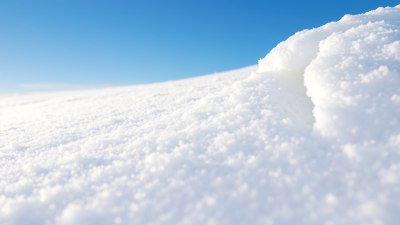
Snow is a ubiquitous winter phenomenon that captivates many with its pristine beauty and apparent softness. To the casual observer, freshly fallen snow seems to be a perfect white blanket covering the landscape, inviting you to walk, jump, or lay down and enjoy its seeming softness. However, snow’s physical properties can be deceiving — it can look gentle and soft yet turn out to be hard, icy, and even dangerous. This contrast between the perceived softness of snow and its sometimes harsh reality arises from the complex nature of snow crystals, weather conditions, and temperature changes.
Understanding why snow looks soft until you experience it requires a dive into the structure of snow, how temperature and moisture alter its characteristics, and the effects of environmental factors like wind and sunlight on its surface. In this article, we will explore the science behind snow’s appearance and its surprising variations in texture and hardness, shedding light on why it sometimes disappoints expectations of softness.
The Formation of Snow Crystals and Their Initial Softness
Snow begins its life high in the atmosphere, where water vapor condenses directly into ice crystals. These crystals form under subfreezing temperatures and take on unique, intricate shapes — often exhibiting hexagonal symmetry. Each snowflake’s structure depends on atmospheric conditions such as temperature and humidity during its formation. When snowflakes fall to the ground, they retain some of their delicate branched structures, giving freshly fallen snow a light, fluffy consistency.
The soft appearance of fresh snow is largely due to the interlocking of these feathery ice crystals, which creates a blanket full of pockets of air. This air trapped between the crystals acts as a cushion, giving snow its initial softness and low density. The structural arrangement resembles a loosely packed lattice where individual flakes rest gently on each other, making fresh snow feel soft when you step onto it.
The impressive volume of air incorporated into fresh snow also impacts its insulating properties. This is why snow can serve as a natural insulator, protecting underlying soil or plants from harsh cold. The combination of ice crystals’ shape and air pockets means freshly fallen snow not only looks soft but behaves like a light, airy blanket.
Compaction Processes: When Soft Snow Becomes Firm
Although snow often looks soft right after it lands, this condition can rapidly change as compaction begins. Every time a snowflake falls on the ground, it adds weight to the layers below. Over time, gravity causes the layers to compress, forcing the air out and making the snow denser. Walking, skiing, or snowmobiling exerts additional pressure that further compacts the snowpack.
As the snow compacts, the individual crystals begin to break down and lose their delicate structures. The edges of the ice crystals become sharper and more angular, and the snow transforms from a fluffy texture into a more granular or icy surface. This compaction process dramatically changes the snow’s mechanical properties — what once seemed soft and supportive can become a hard crust that resists pressure or fractures under load.
The degree of compaction depends largely on temperature fluctuations and the length of time snow remains on the ground. Warm days followed by cold nights accelerate sintering — a process where snow crystals bond at contact points. This bonding strengthens the snowpack but also stiffens it. Over time, these sintered layers develop into firmer snow or even ice if melting and refreezing occur.
Temperature Effects: The Freeze-Thaw Cycle
Temperature is one of the most significant factors affecting snow’s texture and hardness. Snow behaves very differently when subjected to freeze-thaw cycles. During the day, sunlight and warmer air can cause partial melting of the snow’s surface. Meltwater permeates the snowpack, lubricating crystal interfaces and causing changes in texture.
Once temperatures drop again, this meltwater refreezes, often creating icy crusts on the snow surface or bonding the snow grains more tightly together. These icy layers can be very dense and extremely hard, misleading the eyes that expect the snow to be soft like fresh powder. Walking on such surfaces can be treacherous, as the hard crust might crack or cause slipping — a stark contrast to the gentle crunch of soft snow.
The freeze-thaw cycle also influences the snowpack’s stability. In mountainous regions, such temperature changes can transform harmless surface snow into a dangerous layer prone to avalanches. Understanding how snow’s texture changes with temperature is crucial for safety in winter environments.
The Role of Wind and Snow Surface Transformations
Wind is another natural force that changes how snow feels underfoot. When wind blows across a snow surface, it physically alters the orientation and arrangement of snow crystals on the surface. Strong winds can scour loose snow away, leaving behind harder layers or ice. It can pack snow tightly, causing snowdrifts to form with compacted hard crusts on top and soft snow underneath.
Additionally, wind-driven snow can accumulate in certain areas while eroding others, creating a patchy snow cover with variable textures. Even in calm conditions, wind can slightly deform snow crystals, influencing how snow aggregates. The effect is noticeable after blowing snow events where the snow surface exhibits both soft powdery regions and solid icy sections.
Perception Vs. Reality: Our Expectation of Snow Softness
Human perception of snow’s softness is influenced by visual cues and previous experiences. Fresh snow’s bright white color and fluffy appearance naturally suggest softness and comfort, prompting people to assume it’s easy to walk or play on. The inviting visual texture can be misleading when snow has undergone transformations invisible to the eye.
The initial encounter with snow often involves testing its surface with a foot or hand, but appearances can be deceptive. Sometimes a thin icy crust overlays powder beneath, or the snow might be deceptively hard due to a recent freeze. This discrepancy between visual expectation and tactile experience highlights why snow “looks soft until it proves otherwise.”
Our brain associates softness with warmth and safety, and snow’s gentle image invokes similar reactions. However, snow is a complex substance whose properties are constantly shifting with environmental conditions, making it an unpredictable medium.
Why This Matters: Practical Implications for Safety and Activities
Recognizing that snow’s softness is conditional and can switch to hardness or slipperiness quickly is important for safety. Walkers, hikers, skiers, and snowmobile riders all need to be aware that snow might not support weight as expected or might cause falls due to hard ice layers.
Infrastructure planning in snowy regions also depends on understanding snow properties. The weight and hardness of compacted snow affect roofs, roads, and machinery. The insulating quality changes with snow density, influencing energy efficiency for buildings. Even wildlife adjusts behavior based on snow conditions, showing that snow’s physical state has broader ecological implications.
The Science Behind Snow Metamorphism
Snow does not remain static after it falls; it undergoes metamorphism — a natural transformation of the snowpack through temperature gradients, pressure, and moisture movement. Metamorphism explains much about why snow’s texture can suddenly become harder or softer.
In dry snow metamorphism, temperature differences between the top and bottom layers cause vapor to move inside the snowpack, reshaping crystals into rounded grains. These changes generally soften the snow. In contrast, wet snow metamorphism happens when liquid water is present, causing faster crystal growth and bonding, leading to crust formation and harder snow layers.
Understanding these processes is essential for avalanche prediction and snow stability evaluation, crucial for mountain safety and winter sports.
Snow’s Impact on Ecology and Human Culture
Snow’s appearance and texture have inspired countless cultural references — from poetry describing its softness and purity to folk tales warning of its unpredictable danger. Ecologically, the soft, insulating layer of snow protects plant roots and small mammals during winter, while hard crusts can prevent animals from accessing food.
Humans have adapted to snow’s variability by developing specialized gear such as snowshoes to prevent sinking in soft snow, or crampons for traversing hard icy surfaces. Understanding snow’s shifting texture is part of living responsibly in snowy environments.
Advanced Tools for Snow Analysis
Scientific advances have provided instruments like penetrometers and snow probes to measure snow hardness and density. Remote sensing through satellites and lidar technology helps monitor snowpack conditions over large areas. These tools improve our ability to predict snow behavior, manage water resources, and prepare for winter hazards.
Monitoring snow’s softness and hardness assists in optimizing winter sports conditions and guides governments in infrastructure planning. Snow science is a vibrant field combining meteorology, physics, and environmental science to decode snow’s complex behavior.
The Unseen Beauty of Snow’s Complexity
Snow exemplifies the beauty of natural complexity. What appears at first as simple softness hides a dynamic system undergoing constant change. Each step on snow is a small interaction affected by temperature, wind, humidity, and time. Appreciating this complexity enhances our respect for nature’s delicate balance and reminds us that appearances can be deceiving.
Next time you see a snowy landscape, take a moment to consider the story behind the softness — the intricate ice crystals, the shifting layers, and the forces modifying snow before it finally embraces the earth. Snow’s softness is not just a physical property but also a fleeting moment in an ongoing natural process.