The Science of Winter Making You Walk Differently
Explore how winter affects your gait through science, from temperature effects to neurological responses and adaptations.
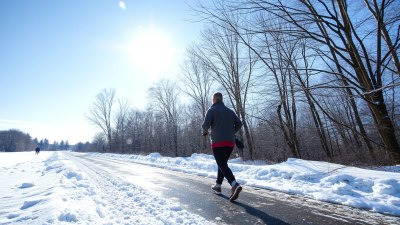
Winter brings a stark transformation not only to the environment but also to our bodies and behaviors. Among the most noticeable differences during cold months is the way people walk. The science of winter making you walk differently encompasses a range of physiological, neurological, and biomechanical factors that interact as temperatures drop, surfaces become slippery, and daylight shrinks.
Understanding why and how your gait changes in winter provides insight into human adaptability. It also offers practical guidance for maintaining mobility and safety during challenging conditions.
The Biomechanics of Walking in Cold Weather
Walking is a complex motor activity requiring coordination between muscles, bones, and the nervous system. In colder environments, several biomechanical changes occur as the body adjusts to external stresses.
One common observation is a reduction in stride length. Shorter steps decrease the likelihood of slips and falls on icy or wet surfaces. Simultaneously, people tend to increase their step frequency, which helps maintain balance and reduces the time feet spend in contact with slippery ground.
Moreover, cold temperatures impact muscle stiffness. Muscle fibers become less pliable in low heat, reducing joint flexibility. This stiffness leads to more rigid movements and a cautious gait. The body subconsciously prioritizes stability over speed or efficiency, reflecting a protective mechanism against injury.
Thermoregulation and Its Role in Movement
The human body maintains core temperature through thermoregulation, balancing heat production and heat loss. Walking generates metabolic heat, and alterations in gait affect this process.
In winter, people often adopt movement patterns that conserve energy and optimize heat retention. For example, slower walking speed can reduce heat loss but might require more careful steps to prevent slipping. Conversely, quicker movements generate more heat but increase the risk of falls on slick surfaces.
Peripheral circulation also diminishes in cold weather as blood vessels constrict to preserve core warmth. This vasoconstriction reduces blood flow to extremities, particularly feet, which can affect proprioception — the body's ability to sense limb position. Impaired proprioception may cause subtle changes in foot placement and stability, altering gait patterns during winter.
Neurological Influences on Winter Gait
The nervous system continuously processes sensory input to coordinate movement. In winter conditions, sensory feedback changes dramatically, influencing locomotion.
Slippery surfaces provide less traction and unpredictable feedback to mechanoreceptors in the skin and muscles. To compensate, the brain adjusts motor commands to enhance stability. This often results in increased muscle co-contraction around joints, stiffening limbs and creating a more cautious gait.
Cold exposure also slows nerve conduction velocity, slightly delaying sensory information reaching the central nervous system. This delay can impair reflexes and adjustment reactions, prompting a more deliberate and less dynamic walking style.
Psychological Factors and Walking Behavior
Winter affects mood and cognition, which subsequently influence walking behavior. Reduced daylight and colder weather can contribute to lower motivation and increased fatigue. Awareness of icy and hazardous conditions induces fear of falling, encouraging a more guarded gait.
Fear of slipping leads to decreased stride length and increased time with both feet on the ground, which alters the natural rhythm of walking. This psychological caution is a critical factor to understand, as it can either enhance safety or lead to stiffness that paradoxically increases fall risk.
Adaptations in Footwear and Clothing
Winter apparel and footwear are designed not just for warmth but also for modifying walking mechanics. Insulated boots with added grip promote safer traction, helping reduce slips. However, heavy or bulky boots can alter proprioceptive input and gait, often leading to slower walking speed and a less fluid motion.
Clothing layers restrict joint mobility, especially around hips and knees. While necessary for thermal protection, this restriction contributes to reduced stride length and increased joint stiffness. Balancing warmth with freedom of movement is essential for optimal winter gait.
Environmental Influences: Snow, Ice, and Daylight
Snow and ice transform walking surfaces, creating uneven, slippery terrain. The unpredictability of footing demands constant adjustments in gait. The need for caution results in short, deliberate steps and increased double support time — when both feet are on the ground.
Reduced daylight in winter months also decreases visibility, affecting spatial awareness. Lower light conditions impair depth perception and contrast sensitivity, critical for detecting surface hazards. People naturally slow down and adopt more stable walking patterns in dim lighting to mitigate risks.
Physiological Responses to Cold Exposure
Cold exposure triggers physical responses such as shivering, which creates involuntary muscle contractions to generate heat. Shivering can interfere with voluntary motor control and disrupt normal walking rhythm.
Also, reduced skin temperature can desensitize peripheral nerves, decreasing feedback essential for precise foot positioning. This compounding effect leads to a more cautious gait characterized by reduced speed and less fluid movements.
Age and Winter Gait Changes
Older adults are particularly vulnerable to gait changes during winter. Natural age-related declines in balance, muscle strength, and sensory function are exacerbated by cold conditions.
Research shows that elderly individuals reduce their walking speed even more pronouncedly in winter, increase step width for better lateral stability, and have a higher incidence of falls. These adaptations reflect compensatory mechanisms but also highlight the importance of targeted interventions to improve winter safety for seniors.
Implications for Fall Prevention
Understanding winter gait changes is critical for designing fall prevention strategies. Interventions include wearing specialized footwear with enhanced grip, using walking aids, improving lighting in outdoor areas, and educating about cautious walking techniques on snow and ice.
Balance and strength training can enhance neuromuscular control, helping the body maintain a more stable gait even in challenging conditions. Awareness campaigns about the importance of proper clothing and cautious movement in winter also contribute to reducing injury risk.
Technological Insights: Gait Analysis and Wearables
Advances in gait analysis technology allow researchers to quantify how winter affects walking patterns. Motion capture, pressure sensors, and wearable accelerometers provide data on stride length, timing, and foot placement.
These insights facilitate personalized recommendations for improving gait safety during winter. Wearable devices can also provide real-time feedback to users about their walking stability, encouraging safer movement habits when conditions deteriorate.
Cross-Cultural Considerations in Winter Walking
Populations living in consistently cold climates develop unique gait adaptations. For example, the indigenous peoples of Arctic regions often demonstrate walking styles optimized for icy terrain, including specific foot placements and slower, more deliberate steps.
Cultural factors also influence clothing and footwear selections, affecting gait mechanics. Comparing these adaptations highlights human ingenuity in responding to winter's challenges.
The Role of Indoor Activities and Reduced Walking
Winter often curtails outdoor activity, leading to reduced overall walking. This decrease impacts muscle strength and joint health, potentially exacerbating gait difficulties when venturing outside.
Encouraging indoor exercises that simulate walking mechanics can maintain neuromuscular function. Stretching and range-of-motion activities help counteract stiffness caused by cold and inactivity.
Future Directions in Winter Gait Research
Emerging research focuses on the interplay between climate change and walking behaviors during winter. Warmer winters may reduce ice hazards but could introduce new challenges such as unstable snow consistency and thaw-freeze cycles affecting footing.
Improved predictive models of slippery surfaces and integrated environmental sensors in footwear may revolutionize how individuals navigate winter terrain. Exploring the genetic and molecular basis of cold adaptation in human gait is another promising frontier.
Ultimately, a multidisciplinary approach combining biomechanics, neuroscience, psychology, and environmental science will deepen understanding and improve winter mobility for all.