Why the Wind Always Changes Direction Mid-Step
Explore the scientific reasons behind why wind frequently changes direction mid-step and the impact of atmospheric conditions.

Wind, the movement of air from one place to another, is often experienced as a force that can suddenly shift direction, even as you are walking or standing. This phenomenon of wind changing direction mid-step can seem perplexing, making it feel unpredictable or capricious. Understanding why wind changes direction so frequently requires diving into the principles of meteorology, the structure of the atmosphere, and the influence of local geography.
At its core, wind is generated by differences in atmospheric pressure caused primarily by uneven heating of the Earth's surface by the sun. Warm air rises, creating areas of low pressure, while cooler air descends, creating areas of higher pressure. Air naturally flows from high-pressure zones toward low-pressure zones, producing wind. However, this flow isn't smooth or uniform due to a variety of environmental and atmospheric factors.
One of the primary influences on the erratic nature of wind is turbulence. Turbulence occurs when the air flow becomes chaotic and irregular, often caused by obstacles like trees, buildings, hills, and other geographical features disrupting the smooth path of the wind. This causes eddies and swirling currents that can change direction rapidly over short distances or short time frames.
Near the surface, the interaction of wind with terrain generates mechanical turbulence. For example, in a forested area, wind might swirl around the tops of trees, slow down, speed up, or even reverse direction temporarily as it navigates this complex environment. This shifting airflow is what leads to wind gusts that differ in strength and direction in quick succession, sometimes within a single step as you walk.
Another important factor is the atmospheric boundary layer, the lowest part of the atmosphere that is directly influenced by the Earth's surface and responds to surface forcings with a timescale of about an hour or less. In this layer, the wind profile can change dramatically with height, and thermal activity from the sun creates rising thermals and sinking cool air. These localized vertical air movements mix the horizontal airflow, causing frequent gusts and changes in direction.
As the sun heats the ground unevenly, patches of warm air rise in columns called thermals. Surrounding cooler air rushes in to replace the rising warm air, resulting in varying local wind directions at ground level. This cyclical movement of air contributes greatly to why the wind can feel like it shifts underfoot, especially on hot days or in areas with mixed landscapes.
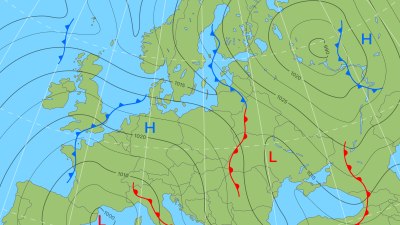
Wind direction is also influenced by larger scale weather systems. Fronts, pressure systems, and jet streams govern the overall patterns of wind movement over regions and continents. However, even within these larger flows, local conditions modify wind behavior, allowing it to change direction suddenly and unpredictably at the microclimate level.
Another aspect that contributes to changing wind direction is the Coriolis force, a consequence of Earth's rotation. This force causes moving air masses to deflect to the right in the Northern Hemisphere and to the left in the Southern Hemisphere, altering wind paths on a large scale. Though this effect influences broad wind patterns such as trade winds or westerlies, its impact on wind behavior at the pedestrian scale is subtle but present, adding complexity to local wind patterns.
Wind also displays phenomena like wind shear, which refers to a change in wind speed or direction over a short distance in the atmosphere. Vertical and horizontal wind shear can result in gusts that suddenly switch direction, which is common near obstacles or during weather changes. Pilots and meteorologists pay particular attention to wind shear because it can be hazardous and is a key measure of atmospheric instability.
In urban environments, the complexity of buildings, streets, and open spaces creates highly variable wind directions and speeds. The urban canopy layer, the layer of air within and just above the buildings, experiences constant fluctuations as wind channels down avenues, around corners, over rooftops, and into courtyards. These complex flows create a patchwork of wind directions that can change multiple times within a single city block or step while walking.
Temperature gradients also play a major role in altering wind direction. For example, sea breezes develop when the land heats up faster than the ocean during the day. Warm air over the land rises, and cooler ocean air flows in to replace it, creating a breeze from sea to land. At night, this reverses since the land cools faster than the water, and the wind direction shifts from land to sea. These diurnal cycles of temperature difference cause cyclical wind direction changes that can be noticeable even within minutes or steps in coastal areas.
Mountainous terrain creates additional complexities. Wind can funnel through valleys or be blocked by ridges, causing local shifts in direction and speed. Mountain and valley breezes occur due to differential heating, where during the day, warm air rises upslope and cooler air descends at night, reversing wind patterns. These local circulations superimpose on regional wind fields, causing frequent changes in direction observable while moving through such landscapes.
On a microscopic level, the viscosity and density differences in air layers contribute to turbulent eddies. These small swirls impact the flow at the ground, creating pockets where wind abruptly shifts direction. Even subtle changes in humidity and temperature can alter air density, modifying airflow patterns that lead to short-term directional changes.
Another concept relevant to changing wind direction is the presence of microclimates: localized climatic conditions affected by unique terrain, vegetation, water bodies, and human structures. Walking through different microclimates can expose you to wind that appears to shift direction because atmospheric conditions are not uniform everywhere. Crossing from a shaded park into an open field might bring contrasting wind behavior.
Additionally, weather phenomena such as passing clouds and storms induce dynamic pressure changes that alter wind patterns in real time. Downdrafts, gust fronts, and outflows from thunderstorms cause rapid shifts in wind direction that can be quite sudden and noticeable at the pedestrian level. These changes are transient but highlight how weather dynamics directly influence wind behavior at small scales.
Seasonal shifts also influence predominant wind directions. Monsoons, for instance, reverse wind direction on a large scale due to seasonal heating differences between oceans and landmasses. While these shifts happen over days to months, they show how temperature contrasts ultimately govern airflow direction and variability over time.
Taking a practical perspective, the unpredictability of wind direction mid-step affects everyday activities such as sailing, aviation, gardening, and even sports. Understanding local wind variability supports better planning and safety. Meteorologists use sophisticated models that incorporate all of the above elements to forecast wind direction and speed, but because of the complex interplay of forces, predictions may never be perfectly stable at the local scale.
In summary, the main reasons wind changes direction mid-step include the turbulence caused by terrain and obstacles, thermal air currents and thermals, the influence of the atmospheric boundary layer, wind shear, local microclimates, and complex urban or mountainous environments. Seasonal and diurnal temperature differences drive cyclical wind shifts, while transient weather events produce rapid changes. While large-scale wind patterns provide a backdrop of general direction, it's these local forces that make wind feel dynamic and variable underfoot.
Thus, the seemingly random shifts in wind direction you experience while walking are the natural outcome of the Earth's constantly changing atmospheric conditions, integrated local geographical features, and microscopic air flow dynamics. Embracing this complexity reveals not caprice but a rich tapestry of physical processes continually shaping how air moves around us.