The Art of Pretending You're Not Slipping on Ice
Master the subtle art of staying graceful and composed while slipping on ice with these expert tips and techniques.
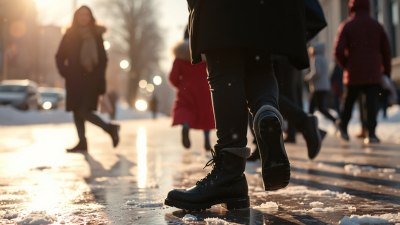
Winter brings with it a unique challenge: icy sidewalks and streets that turn every step into a minor expedition. For many, the fear of slipping on ice is a source of anxiety, embarrassment, or even injury. Yet, the true art lies not only in avoiding slips but in the graceful recovery when your feet betray you. This is the delicate dance of pretending you're not slipping on ice—a skill that blends physical awareness, timing, and a bit of showmanship.
Ice-covered surfaces pose an invisible hazard, transforming familiar surroundings into treacherous terrain. Efforts to walk normally can quickly turn into an awkward shuffle, leaving even the most confident pedestrian feeling exposed. However, mastering this art can help you maintain dignity, reduce panic, and maybe even avoid falls altogether.
Understanding the Physics Behind Slipping
Slipping occurs when the friction between your shoe and the icy surface is insufficient to counteract the force of your forward motion. Normally, our feet grip firmly, enabling controlled steps. Ice, however, drastically reduces friction, making it easy to lose footing unexpectedly. Knowing why slipping happens is the first step toward mitigating it.
Friction depends on surface texture and weight distribution. On ice, surfaces are smooth and often wet, lowering traction. The coefficient of friction can drop to near zero in extreme cold, especially on compact ice. Our body's instinct usually is to clamp down harder, but often this causes a sudden loss of balance.
Footwear: Your First Line of Defense
Before stepping onto icy ground, consider your footwear. Shoes with good tread, rubber soles designed for winter, and even specialized ice grips can reduce slip risk. Investing in winter boots designed for traction provides a stable base. Avoid wearing smooth-soled shoes as they exacerbate slipping chances.
Some opt for decorative but slippery footwear in winter weather, which increases slip risk dramatically. Consider practicality over style when ice is prevalent. Even a small modification, like adding attachable ice cleats, can improve your footing without sacrificing too much fashion sense.
Adjusting Your Walking Technique
How you walk on ice matters as much as what you wear. Adopting a slower, more deliberate gait reduces momentum and the risk of sudden slips. Steps should be shorter than usual with feet angled slightly outward to increase stability.
Keep your center of gravity low by bending your knees slightly and leaning forward. This shifting posture helps maintain balance and prepares you to react quickly if your foot slips. Avoid fast, long strides which place greater force on each footfall and increase slip risks.
Using Your Arms for Balance
Many individuals instinctively flap their arms wildly when slipping, but controlled arm movements provide a better counterbalance. Extend your arms slightly out from your sides, using micro-adjustments to maintain your balance. This poised positioning allows subtle corrections without drawing unwanted attention.
Try to keep your arms relaxed rather than tensed which can make you more rigid and prone to falling. Sweeping, exaggerated arm movements may save you physically but look conspicuous, defeating the purpose of pretending you’re balanced. Controlled yet flexible is the key.
Visual Focus: Where to Look
Your gaze plays a surprisingly important role in balance. Look straight ahead rather than down at your feet. Focusing downward increases the chances of panic or overthinking each step, which tends to destabilize motion. By fixing your eyes forward, you engage a natural, fluid walking rhythm.
Scanning the path just ahead for patches of ice or obstacles helps anticipate trouble spots and plan your stride accordingly. Avoid sudden head movements or abrupt stops to maintain rhythm and composure.
The Subtle Art of Recovery
Even with all precautions, slips happen. The art of pretending you're not slipping involves a quick and graceful recovery. Imagine your foot sliding unexpectedly. The ideal response is a controlled, smooth adjustment that disguises the loss of traction.
Begin by planting your free foot quickly to regain balance. Shift your weight gently rather than jerking it, and flex your knees to absorb shock. Avoid stiffening or freezing — these increase instability. A fluid motion helps conceal the slip.
Sometimes, a small hop or shuffle helps realign your footing without making it obvious you've slipped. The key is to continue your forward movement seamlessly, so onlookers perceive a confident stride rather than a loss of control.
Body Language and Facial Expressions
The face can betray the moment of slipping, so managing expressions is part of the performance. Keep a neutral or focused expression, avoiding wide eyes or sharp gasps. Controlled breathing helps maintain calm.
Body language should remain composed — avoid sudden gestures like grabbing onto nearby objects aggressively, which can look panicky. Instead, use subtle adjustments that suggest intentional movement rather than recovery from a slip.
Practice Makes Perfect
Like any skill, mastering the art of pretending you're not slipping takes practice. Try walking on icy patches in safe, controlled environments such as an ice rink edge or a lightly dusted path. Focus on balance cues, arm use, and fluid foot placement.
Practice recovering from slips by deliberately sliding one foot and executing a smooth regain of posture. Over time, muscle memory develops, and you respond instinctively without alarm.
Additional Tips for Icy Walkways
Consider carrying a small walking stick or trekking pole for extra support on slippery surfaces. This provides additional points of contact and aids balance without looking out of place in many winter environments.
Keep your hands out of pockets for better balance control and quicker reaction times. Wearing gloves instead of stuffing your hands in pockets allows you to catch yourself with open hands if you stumble.
Walk slightly squatting or with a hip sway to keep your body balanced. The key is to remain loose and responsive rather than rigid and tense.
Mindfulness and Mental Preparation
Fear of slipping creates tension that can ironically increase the risk of falling. Approach icy conditions with calm awareness rather than dread. A composed mindset facilitates better muscle response and coordination.
Visualize a successful walk over icy terrain before stepping out. Positive expectation leads to controlled movement and reduces overcorrection that causes imbalance.
When to Use Handrails and Support
Whenever available, use handrails, walls, or other supports to help stabilize your walk. These accessories lessen the burden on balance and reduce fall risk, though they may draw attention. When wanting to appear unaffected, subtle and slow use of these supports is best.
Practice gripping supports in a relaxed but firm manner, avoiding grabbing with desperation or sudden movements which look unplanned.
Dealing With Slips Outdoors in Public
Social situations add pressure to the act. On busy sidewalks or public spaces, the embarrassment factor can be significant. A well-timed smile or a slight shrug of the shoulders can deflect awkwardness post-slip, turning it into a casual moment instead of a mishap.
Others often sympathize more when your recovery is confident and you respond with good humor. Owning the moment takes some of the sting out of a public slip.
Indoor Ice and Smooth Surfaces
Not all slippery surfaces are outdoors. Many face slipping hazards inside buildings due to polished floors or melting ice tracked in. Similar principles apply indoors—slow movement, proper footwear, and poised recovery.
Adapting to varying lighting conditions helps you spot invisible slick spots and stay alert.
Emergency Technique: Falling Safely
When a fall is unavoidable, knowing how to fall reduces injury risk. Aim to fall forward, away from your torso, using your arms to absorb impact without locking your elbows. Tucking your chin protects your head from striking the ground.
Although this deviates from pretending you’re stable, it is an essential technique to learn alongside graceful recovery.
Training Balance and Strength
Regular balance and strength training, such as yoga, Pilates, or specific balance exercises, improve your overall ability to manage slippery conditions. Stronger ankles, core, and leg muscles provide greater stability and faster reaction times.
Incorporate single-leg stands, heel-to-toe walks, and stability ball exercises for enhanced proprioception and balance.
The Role of Weather Awareness
Check weather forecasts and temperature shifts that contribute to ice formation, especially freeze-thaw cycles that produce black ice. Awareness enables better preparation and mental readiness.
Knowing when and where ice is most likely helps you plan routes and timing to avoid hazardous conditions when possible.
The Cultural Context of Slipping Gracefully
In different cultures, reactions to slips and falls vary. Some embrace humor and resilience, while others stress carefulness and avoidance. Understanding your social environment can guide your approach to slipping, balancing caution with maintaining dignity.
Practicing grace under pressure aligns with broader social expectations about composure, contributing to overall confidence in public settings.
Technology and Tools to Help
Smartphone apps can alert you to icy conditions in your area. Wearable devices monitor gait and balance, offering feedback to improve stability. Technology increasingly assists in preventing slips and falls by providing early warnings and analysis.
Using these aids complements your personal skill development and precautions.
The art of pretending you're not slipping on ice is a blend of preparation, technique, and psychological poise. Through mindful walking, appropriate gear, and practiced recovery movements, you can navigate winter’s slipperiest challenges without losing composure. This skill enhances safety, confidence, and social grace alike, transforming icy walks from a dreaded hazard into a manageable and even stylish endeavor.