How Pollen Quietly Takes Over Your Entire Personality
Explore how pollen allergies can subtly alter your mood, behavior, and overall personality throughout allergy seasons.
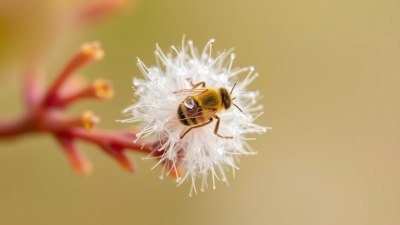
Pollen, a microscopic agent of nature, is far more than just an irritant triggering sneezes and itchy eyes each spring and summer. While many are familiar with the physical symptoms of pollen allergies—such as congestion, watery eyes, and sneezing—it’s less evident how this tiny particle can influence mental states and even personality traits during allergy season. This article delves into the subtle ways pollen affects not only your physical well-being but also your emotional balance, cognitive function, and ultimate personality expression.
Understanding Pollen and Its Role in Allergies
Pollen consists of fine grains released by plants during their reproductive cycles. These grains are carried by wind, insects, or animals and serve to fertilize other plants. The most notorious pollen types for allergies come from trees, grasses, and weeds. When inhaled by sensitive individuals, pollen triggers immune responses designed to protect the body, although this protective mechanism often causes discomfort.
For allergy sufferers, the immune system mistakes pollen as a harmful invader, launching a counterattack that includes histamine release. Histamine causes inflammation in the nasal passages, eyes, mouth, and throat, creating symptoms known collectively as allergic rhinitis. While these responses are typical, the secondary impacts on brain chemistry and behavior are less obvious but significant.
The Brain-Immune System Connection
The link between the immune system and the brain is a growing area of scientific interest. Cytokines and other immune molecules released during allergic responses can cross the blood-brain barrier or interact with neural pathways, influencing brain function. This immune-neural crosstalk has implications for everything from mood regulation to cognitive processes.
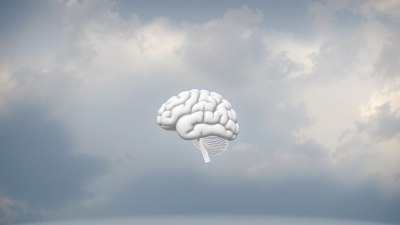
When pollen sets off allergic inflammation, it’s not just nasal passages affected. The immune molecules released can reach brain areas involved in emotional control, such as the amygdala and prefrontal cortex. This can result in changes in anxiety levels, mood fluctuations, and overall cognitive function. The chronic stress of ongoing allergy symptoms may also contribute to these shifts.
Pollen’s Impact on Mood and Emotion
One of the most reported behavioral effects of pollen allergies is mood swinging. Allergic individuals frequently describe feelings of irritability, frustration, and general emotional sensitivity during peak pollen seasons. Research supports this anecdotal evidence. Studies show allergy sufferers experience increased rates of depression and anxiety during times of high pollen counts.
The interplay between cytokines and neurotransmitters plays a central role in these mood changes. Increased cytokine activity can alter serotonin and dopamine levels—two critical neurotransmitters for emotional stability and reward processing. Reduced serotonin function can manifest as sadness or irritability, while dopamine fluctuations may impair motivation and cause lethargy.
Moreover, the fatigue accompanying allergic reactions also affects mood. Poor sleep quality due to congestion and discomfort further exacerbates emotional disturbances, leaving individuals more vulnerable to negative feelings and stress.
Cognitive Function and Pollen Allergies
Beyond mood, pollen allergies can also subtly impair cognitive function. Symptoms like brain fog, reduced concentration, and slowed processing speed are commonly reported by those struggling through peak allergy periods. This so-called “allergy-related cognitive impairment” may affect daily productivity and decision-making.
Studies employing neurocognitive tests have revealed that allergy sufferers exhibit diminished performance on tasks requiring memory, attention, and executive function when pollen counts are high. This is believed to result from the combined effects of immune signaling molecules impacting neural activity, alongside the indirect impacts of sleep disturbances and fatigue.
Such cognitive decline is often mistaken for mere tiredness or psychological stress, but recognizing allergies as a contributing factor is essential for effective management and minimizing their disruptive impact on personality expression and behavior.
Behavioral Changes and Social Interaction
Aside from altered mood and cognition, pollen allergies can lead to changes in social behavior. Increased irritability and fatigue may cause individuals to withdraw from social interactions or respond less patiently to others. Some may reduce participation in activities they previously enjoyed due to physical discomfort and emotional depletion.
These subtle shifts can cumulatively alter how a person is perceived by peers and friends, sometimes leading to misinterpretation of their true personality. Chronic allergy sufferers may find themselves labeled as moody or disinterested during allergy season when, in reality, they are contending with physiological impediments imposed by pollen inflammation.
Long-Term Effects on Personality Traits
While the acute effects of pollen on mood, cognition, and behavior are evident during allergy seasons, repeated yearly exposures might lead to more enduring changes in personality traits. Psychological research indicates that repeated stressors, including chronic immune activation, can reinforce certain neural pathways, potentiating traits like anxiety and introversion over time.
Individuals with long-standing allergy histories sometimes report changes in their baseline emotional profile, describing themselves as less outgoing or more anxious even off allergy season. It is plausible that recurrent inflammatory episodes and associated disruptions foster lasting neurochemical and psychological changes influencing personality.
Managing Pollen’s Influence on Personality
Recognizing pollen’s influence beyond physical symptoms is the first step toward mitigating its subtle personality impacts. Effective allergy management can restore emotional balance and cognitive sharpness. Antihistamines, nasal corticosteroids, and immunotherapy are common treatments that reduce the inflammatory cascade.
Additionally, maintaining good sleep hygiene, practicing stress reduction techniques such as mindfulness meditation, and avoiding peak pollen exposure are practical methods to lessen the behavioral and psychological effects of allergies. Awareness of these impacts facilitates more compassionate communication from friends and coworkers, reducing misunderstandings linked to seasonal irritability.
The Role of Environmental Control
Environmental management goes beyond simply treating symptoms after they occur. Minimizing pollen exposure by using air purifiers, keeping windows closed during high pollen times, and showering after outdoor activities to remove pollen residues can decrease the immune system’s activation and subsequent neural side effects.
Adopting a proactive approach in conjunction with medical treatments enables individuals to sustain better mental and emotional health throughout allergy seasons, preserving their personality integrity despite environmental challenges.
Exploring Future Research Directions
The complex relationship between pollen allergies and personality is an emerging field requiring further interdisciplinary research. Potential future studies might explore personalized medicine approaches based on individual neuroimmune profiles and genetic susceptibility. Understanding how different pollen types affect brain chemistry and behavior may also lead to novel interventions.
Advances in neuroimaging and immunology provide tools to unravel the dynamic interactions between environmental allergens and brain function, opening possibilities to enhance quality of life for the millions affected by seasonal allergies worldwide.
Conclusion
Pollen quietly infiltrates not only our respiratory system but also resonates through emotional, cognitive, and social dimensions. Its ability to alter mood, reduce cognitive clarity, and change social behavior effectively means pollen can take over aspects of our personality during allergy seasons. Recognizing and addressing these subtle but impactful changes allow individuals to reclaim their full selves and navigate seasonal challenges with greater resilience.