Why Your Phone Battery Dies Just Thinking About Going Outside
Explore why your phone battery drains quickly when you step outside and how environmental factors affect battery life.
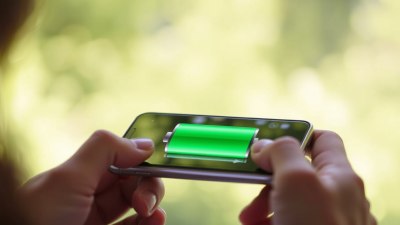
Have you ever noticed that your phone battery seems to drain faster the moment you step outside? It can feel like your device is punishing you for wanting some fresh air. While it may sound like your phone has a sixth sense for outdoor adventures, there are actually several scientific and technological reasons why your battery may seem to die prematurely when you're outdoors.
Understanding the reasons behind this phenomenon requires a look into how phone batteries work, how environmental factors impact battery performance, and how your phone adjusts its settings when exposed to different surroundings.
Basics of Phone Battery Technology
Most modern smartphones use lithium-ion batteries. These batteries store electrical energy by moving lithium ions through an electrolyte between the anode and cathode. The design balances energy density, longevity, and safety. However, lithium-ion batteries are sensitive to certain external conditions that can impact their ability to hold and deliver charge efficiently.
The ideal operating temperature for lithium-ion batteries is typically between 20 and 25 degrees Celsius (68 to 77 degrees Fahrenheit). Deviations from this range can lead to decreased performance and quicker power loss. When the battery is outside its comfort zone, it cannot deliver current as effectively, so the perceived battery life shortens.
Environmental Factors That Drain Your Battery
There are several environmental reasons why your phone battery may die faster outdoors:
1. Temperature Extremes: Cold temperatures can significantly reduce your battery capacity. Chemical reactions inside the battery slow down when it’s cold, limiting current flow and causing your phone to shut off unexpectedly or show lower battery percentages. Conversely, extreme heat accelerates battery aging and can cause damage to battery cells.
2. Signal Strength and Network Searching: When you move outdoors or in areas with weak cell signals, your phone expends more energy searching for a stable connection. It amplifies its signal strength and continuously scans for stronger cell towers, which drains battery power quickly. Urban environments with dense buildings or rural areas with limited coverage often exacerbate this issue.
3. Increased Screen Brightness: Outdoor light, especially sunlight, often causes your phone’s ambient light sensor to increase screen brightness so you can see the display clearly. Since the screen is one of the largest power consumers on a phone, this brightness boost can rapidly deplete your battery.
4. Active Location Services: Many apps activate GPS and other location-based services more aggressively outdoors. Navigation apps, weather updates, and social media check-ins track your location frequently, which requires extra power to access satellite or network data.
5. Background App Activity: Being outdoors often triggers background processes such as automatic photo backups, social media updates, and data syncing. These tasks pull on your battery without you realizing it.
Technical Mechanics Behind Battery Drain Outdoors
When your phone tries to maintain a wireless connection, it relies on the strength and availability of cell towers. Outdoors, where cell coverage varies more dramatically than indoor Wi-Fi networks, phones may increase antenna power up to levels that significantly reduce battery life. This process is called transmission power control. It allows your phone to boost its signal when the reception is weak but at the cost of increased energy consumption.
Moreover, the Global Positioning System (GPS) chip inside your phone operates by connecting with satellites to pinpoint your location. Acquiring and maintaining a GPS lock consumes more power than other wireless connections, and outdoor activities usually activate GPS-dependent apps.
Psychological and Behavioral Factors
Interestingly, there might also be psychological reasons you perceive your battery dying faster outdoors. When you’re on the go, you tend to check your phone more frequently, use it actively for navigation, social media, or photography, and honestly pay more attention to remaining battery life.
This increased usage naturally leads to faster battery consumption. Additionally, if you plan to be outside for an extended period, you might be more anxious about conserving battery and thus perceive the battery drain as more noticeable.
Measures to Counter Battery Drain During Outdoor Use
Fortunately, there are ways to extend your battery life while you’re enjoying the outdoors:
1. Reduce Screen Brightness: Manually lower the screen brightness or use adaptive brightness settings to prevent unnecessary power use.
2. Switch to Airplane Mode: When you don’t need calls or data, airplane mode can prevent your phone from constantly searching for networks.
3. Disable Background App Refresh: Turn off unnecessary background processes in your phone’s settings.
4. Use Power-Saving Modes: Most smartphones have built-in battery optimization modes that limit performance and background activities to preserve power.
5. Carry a Portable Charger: An external power bank can ensure you have backup energy during prolonged outdoor periods.
6. Manage Location Services: Restrict location access for certain apps or turn off GPS when not actively needed.
7. Avoid Extreme Temperatures: Protect your phone from direct sunlight or extreme cold by keeping it in a pocket or shaded area.
The Role of Phone Manufacturers and Software
Phone makers and software developers have introduced smarter battery management systems that adapt to your usage and environment. Features like adaptive brightness, app usage patterns, and dynamic power allocation aim to mitigate battery drain.
Operating system updates often improve energy efficiency and manage wireless connections more intelligently. However, despite these advances, many challenges remain, especially when navigating highly variable outdoor conditions.
Manufacturers also design phones with hardware capabilities such as more efficient antennas and GPS chips that consume less power. Advances in battery chemistry, such as solid-state batteries or improved lithium polymer variants, promise better resilience against environmental factors in the future.
Scientific Studies on Battery Performance Outdoors
Several studies have analyzed how environmental variables affect battery life. Research confirms that below-freezing temperatures can reduce lithium-ion battery capacity by up to 50%. Field tests show that weak signal environments increase power consumption as phones boost transmission.
Additionally, consumer reports indicate that real-world battery life often varies significantly from lab tests due to outdoor usage scenarios. These findings help engineers design better battery management algorithms and power-saving features tailored for outdoor users.
Impact of 5G and Future Networks
The rollout of 5G networks introduces new considerations for battery life outdoors. While 5G promises faster speeds and lower latency, it can also involve more complex radio management because phones switch between 4G and 5G depending on signal quality.
This network dynamic potentially increases power draw when outdoors, though optimized chipsets and network protocols aim to minimize impact. As 5G matures, balancing enhanced performance with battery conservation remains a key challenge for mobile technology.
Practical Tips for Outdoor Battery Management
In addition to managing settings, consider the following practical advice:
- Use dark mode on your phone to save screen energy, especially on OLED displays.
- Limit video streaming and gaming outdoors, which consume high resources.
- Carry a phone case that offers thermal insulation to protect from temperature extremes.
- Close unused apps quickly to prevent background drain.
- Use offline maps and media when planning outdoor activities to reduce data usage and GPS reliance.
How Battery Health Affects Outdoor Usage
Over time, battery capacity diminishes through charge cycles and exposure to heat. Older batteries degrade faster and are more affected by environmental conditions.
If your phone’s battery health is below 80%, outages outdoors become much more noticeable. Replacing an aging battery can greatly improve outdoor endurance and reduce unexpected shutdowns.
Understanding Battery Percentage Accuracy
Smartphones estimate remaining battery life by monitoring voltage and current flow but can sometimes misrepresent true capacity. Cold temperatures and high power draw can cause sudden drops in displayed battery percentage that later rebalance.
This can give the illusion that your battery 'dies' unexpectedly outdoors, but it often recovers with stable temperatures.
Conclusion Without Using 'Conclusion'
The curiosity about why your phone battery drains quickly outside encompasses a blend of environmental physics, usage patterns, and device technology. From temperature effects and signal challenges to adaptive software management, numerous factors conspire to reduce battery life in the open air.
Awareness of these dynamics allows users to adopt habits and settings that extend usability. Meanwhile, ongoing innovation in battery chemistry, wireless communication, and power management will continue to address these challenges.
Next time you step outdoors with your phone, consider these factors and take simple preventive steps to enjoy your device longer. Your battery, though it may seem sensitive under the sun or cold, is working within complex limits to keep you connected.