How Cold Floors Turn Every Morning Into a Personal Crisis
Explore the hidden impact of cold floors on your daily routine and how to transform cold mornings into cozy moments.
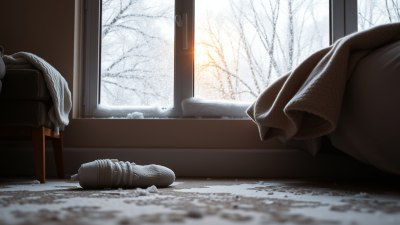
There’s an unmistakable shock that hits the moment your feet touch the floor first thing in the morning. It’s a cold, biting sensation that can make getting out of bed feel like a daunting task rather than a fresh start to the day. For many, cold floors are more than just a discomfort; they trigger an almost personal crisis each morning.
But why does a simple temperature difference underneath our feet hold so much power over our mood and motivation? How can floors, these solid and seemingly unremarkable surfaces, influence our emotional and physical response to the start of a day? This article delves into the psychological and physiological mechanisms behind the cold floor dilemma, explores how this everyday nuisance affects individuals differently, and offers practical strategies to overcome the freezing floor challenge that turns every morning into a personal struggle.
The Physiological Response to Cold Floors
When your bare feet plant on a cold surface, the sudden drop in temperature triggers an immediate physiological response. Human skin contains thermoreceptors that sense temperature changes, sending signals to the brain about the external environment. The sharp cold activates the sympathetic nervous system, responsible for the body’s fight or flight reactions, leading to shivers and muscle tension.
This reaction is the body’s way of protecting core temperature and preserving heat. The toes and soles, particularly sensitive areas exposed directly to cold flooring, lose heat very quickly since they have a high surface-area-to-volume ratio and limited blood flow compared to other parts of the body.
Consequently, the sudden cold sensation can cause discomfort, pain, and a brief spike in adrenaline as the body attempts to rewarm. This involuntary tension heightens stress and can disrupt the ease of transitioning from sleep to wakefulness. The discomfort instigated by cold floors is thus not mere annoyance; it’s a biochemical signal commanding immediate attention—a wake-up call hard to ignore.
Psychological Impact of Cold Flooring on Mornings
The discomfort of stepping onto a cold floor transcends physical sensation, reaching into psychological domains. Our brains link physical sensations with emotional states, meaning an unpleasant sensory experience can impact mood and cognition. Stepping onto freezing tile or hardwood can activate memories or feelings about discomfort, vulnerability, or even past negative experiences like illness, exacerbating morning irritability.
This can spiral into a pattern where the anticipation of cold floors breeds anxiety or dread about mornings. People may even develop subconscious resistance to leaving their beds, prolonging the process of waking and reducing overall productivity. Cold floors can also disturb the calm and mindfulness many try to cultivate during their morning routines.
Over time, this psychological weight can make mornings feel oppressive rather than inspiring, turning the start of each day into an uphill battle against not just the external chill but internal resistance as well.
The Specific Influence of Flooring Types
Not all floors are created equal in their ability to retain or radiate cold. Materials like ceramic tiles and stone have high thermal conductivity, meaning they quickly absorb heat from your feet, leaving a sharp cooling sensation. These are common in many homes, especially kitchens and bathrooms, contributing to frequent cold floor encounters.
Conversely, hardwood floors maintain moderate temperatures but still can feel chilly in the absence of sunlight or heating. Laminate flooring shares similar properties to hardwood but can sometimes feel colder due to subfloor conditions. Carpets and rugs, on the other hand, provide natural insulation, reducing heat loss and significantly improving comfort on cold mornings.
Understanding how your home's flooring material affects temperature comfort can help identify the underlying cause of morning discomfort, informing better decisions for managing cold floors.
Impact on Vulnerable Populations
While cold floors can cause discomfort for anyone, some groups are more susceptible to the negative impact. Elderly individuals, for instance, generally have decreased circulation and lower body fat, making them more sensitive to cold surfaces. This sensitivity increases risks for stiffness, joint pain, or falls due to quick withdrawal reflexes from cold shocks.
Children, with their smaller body mass and developmental physiological traits, are also vulnerable. They may express irritability or distress more intensely in response to cold flooring, affecting their morning moods and behavior. People with conditions like Raynaud’s phenomenon or peripheral neuropathy face amplified discomfort and health risks from exposure to cold floors.
The Role of Daily Habits in Managing Cold Floor Shock
Many of the morning struggles induced by cold floors can be ameliorated by mindful adjustments to daily habits. Wearing slippers or thick socks immediately after waking is a straightforward but effective solution. Choosing footwear with insulating properties reduces heat loss from feet and enhances overall comfort.
Adopting a routine that includes gentle stretching or warm water rituals, like foot baths, can increase toe blood flow, mitigating the shock of contacting cold surfaces. Placing rugs or runners in frequently trafficked areas around the bedroom or bathroom adds a layer of insulation, creating zones of warmth that support smoother morning transitions.
Using a space heater or floor heating systems during colder months transforms the atmosphere, eliminating the chilling sensation before it starts. Habitual incorporation of warming elements reduces physical and psychological resistance to leaving the comfort of warm bed sheets and minimizes the morning crisis linked to cold floors.
Innovations and Practical Solutions for Cold Floors
Technological advances offer deeper solutions to the cold floor problem, especially in regions with long, harsh winters. Radiant floor heating systems embedded beneath tiles or wood planks maintain consistent warmth, ensuring your feet never meet a freezing surface.
Portable heated floor mats provide customizable warmth, allowing users to target specific areas like bathroom entrances or bedroom sides. They’re energy-efficient and can be programmed to activate before waking, providing a warm welcome to the day.
Beyond heating, materials science innovations have introduced insulating floor coatings and cushioned underlays, which serve as barriers to cold transmission. These options are gaining popularity among homeowners seeking long-term comfort without extensive renovations.
Addressing the Emotional Toll: Mindfulness and Mental Shifts
While physical adaptations can mitigate cold floor impact, addressing the emotional stress it causes involves intentional mental strategies. Incorporating mindfulness practices during morning routines helps individuals observe bodily sensations without judgment, reducing the emotional charge linked to cold discomfort.
Cognitive reframing—choosing to interpret cold floor sensations as a gentle awakening rather than an obstacle—can reshape habitual responses. This mental shift encourages acceptance and reduces resistance, decreasing stress and improving mood.
Building a morning ritual that couples warmth with mindfulness, such as drinking a hot beverage immediately after getting out of bed, creates positive associations that counterbalance the negative feelings caused by cold floors.
The Economic and Environmental Considerations
Improving floor warmth isn’t only a personal comfort issue but intersects with economic and environmental choices. Heated flooring systems, while highly effective, can increase energy consumption if not used judiciously. Selecting energy-efficient models, employing timers, or supplementing with localized heating options can balance comfort with sustainability.
Choosing rugs or thermal floor coverings demands consideration of material sources, durability, and environmental footprint. Opting for natural fibers or recycled materials promotes eco-conscious living while enhancing warmth.
Moreover, insulation improvements beneath flooring and windows help trap heat effectively, reducing the need for excessive heating and contributing to lower energy bills and carbon footprints.
Why Cold Floors May Signal Larger Home Comfort Issues
The persistent problem of cold floors often hints at broader home insulation or heating inefficiencies. Floors that stay icy long after outdoor temperatures rise suggest lack of adequate subfloor insulation or drafts penetrating the building envelope.
Addressing the root causes rather than symptoms (cold floors) can lead to holistic improvements in indoor comfort. Investing in proper insulation, sealing gaps, or upgrading heating systems enhances not only floor temperature but overall living quality.
Consulting with home energy auditors or remodeling specialists can identify these hidden issues and present cost-effective solutions, ultimately transforming your home into a warm and welcoming haven, easing morning challenges considerably.
Transforming Cold Mornings Into Cozy Rituals
Ultimately, overcoming the morning crisis caused by cold floors involves creating environments and rituals that welcome warmth from the moment feet touch the ground. This can start with small changes like strategically placing rugs, investing in slippers, or incorporating warming drinks right after waking.
Over time, you can build a sanctuary where cold floors no longer dictate your mood or morning flow but become a chapter in a daily narrative centered on comfort and control. Turning mornings from personal crises into opportunities for nurturing care is achievable by recognizing cold floors as a call to action—a prompt to design spaces and habits that honor the body’s needs.
By balancing physical adaptations and emotional resilience, you can reclaim mornings, transform how you greet each day, and banish the dread brought on by icy footing. The cold floor dilemma is universal but entirely surmountable with thoughtful intervention and consistent care.