Why Your Boots Betray You When You Need Them Most
Discover the common reasons boots fail when you need them most and learn how to choose and care for footwear that stands up to any challenge.
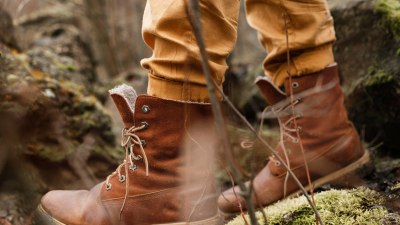
Boots are often considered reliable companions in our journeys, whether we're navigating rugged trails, working long hours on demanding job sites, or simply trying to stay comfortable during harsh weather. Yet, many people experience the frustrating betrayal of their boots just when they need them the most. This unexpected failure can lead to discomfort, injury, or worse, leaving you stranded without proper protection or support. Understanding why boots fail and how to prevent those failures is crucial for anyone who relies on sturdy footwear.
The reasons boots betray you can be traced back to manufacturer design flaws, improper use, insufficient maintenance, and even the mismatch between the boot type and the specific activity you're undertaking. By exploring these factors in depth, you can make better purchasing decisions, maintain your boots effectively, and ultimately extend their lifespan, ensuring that when you need your boots most, they perform as expected.
Common Reasons Boots Fail at Critical Times
One of the main causes of boot failure is poor construction quality. Boots made with low-grade materials, inadequate stitching, or inferior adhesives are prone to falling apart under stress. For example, glue that bonds the sole to the upper will deteriorate over time, especially if exposed frequently to water or heat, causing the sole to separate at inconvenient moments.
Stitching is another common weak point. Boots with single stitching or cheap thread can unravel quickly, especially if the boots are subjected to rough terrain or heavy-duty use. Once stitching loosens or breaks, the structural integrity of the boot is compromised, leading to potential tears or gaps that expose your feet to environmental hazards.
Another frequent issue is a poor fit. Boots that are too tight can cause hot spots that develop into blisters or sores, while boots that are too loose can cause instability, leading to slips, trips, or even sprained ankles. Without proper fit, boots cannot provide the necessary support and protection, effectively betraying you when stability and comfort are essential.
The Role of Footwear Materials and Their Impact on Durability
The materials used in boot production play a significant role in the durability and functionality of the footwear. Leather boots, for instance, are preferred for their durability and ability to conform to the foot over time, providing an excellent fit. However, if they are not treated regularly with conditioners or waterproofing agents, leather can dry out, crack, and lose its protective qualities.
Synthetic boots tend to be lighter and sometimes more waterproof than leather, but they can suffer from a lack of breathability and may degrade faster under certain environmental conditions. For example, some synthetic materials may weaken or become brittle after prolonged UV exposure, leading to cracks and premature failure.
Outsole materials are just as critical. Rubber is a common choice due to its durability and traction, but cheap rubber compounds may wear down quickly on abrasive surfaces. Some boots come with Vibram soles, which are known for their high-quality rubber and grip, but even Vibram soles require proper care to maintain their performance.
Mismatch Between Boot Type and Intended Use
One of the most overlooked reasons boots fail is using the wrong type for the activity at hand. Hiking boots are designed to protect feet from sharp rocks and provide ankle support on uneven terrain, but they may not offer the insulation or slip resistance required for icy conditions. Work boots often prioritize foot protection against impact and compression but might lack flexibility for long treks.
Wearing fashion boots or casual boots for strenuous outdoor activities frequently results in rapid wear and inadequate foot protection. Each boot type is engineered with specific features such as sole tread depth, insulation, waterproofing, and ankle support tailored to particular environments. Ignoring these features and using boots outside their intended context sets the stage for betrayal when conditions become demanding.
The Significance of Proper Boot Fit and Break-In Process
A proper boot fit is essential for preventing foot discomfort and injuries. Factors such as foot width, arch height, and toe box shape must be considered when selecting boots. Visiting a specialized boot fitter or using detailed sizing guides can prevent purchasing footwear that will cause pain or instability.
Moreover, new boots often require a break-in period. Newly manufactured boots, especially those made with stiff leather, will feel rigid at first. Wearing them in short sessions allows the material to soften and mold to your feet, reducing the risk of blisters and friction injuries. Skipping this process and wearing boots for extended periods on the first use often causes discomfort that can be mistaken as poor boot quality rather than natural stiffness.
How Environmental Conditions Exacerbate Boot Failures
Environmental elements such as moisture, temperature extremes, and exposure to chemicals significantly accelerate the degradation of boots. Water intrusion is one of the most damaging factors. Repeated soaking without adequate drying leads to material breakdown, promotes bacterial and fungal growth, and damages interior linings and insoles.
Cold weather can cause some boot materials to stiffen and crack, while heat exposure may weaken adhesives and cause material deformation. Mud and dirt can clog sole treads, reducing traction and increasing the risk of slips.
Chemicals like oils, fuels, and solvents commonly encountered in industrial or agricultural settings can degrade boot materials, causing cracks, discoloration, and loss of flexibility. Understanding the environment where the boots will be used and selecting materials designed to withstand these conditions is vital.
Maintenance Practices to Extend Boot Longevity and Reliability
Proper boot care can extend the lifespan of your footwear and ensure reliable performance. Regular cleaning to remove dirt and debris prevents abrasion and buildup that wears down materials. Leather boots benefit from conditioning with specialized products that replenish natural oils and maintain suppleness.
Waterproofing treatments applied periodically restore the water-resistant barriers and keep moisture out. Inspecting stitching, soles, and eyelets for early signs of damage allows timely repairs before major failure.
Boot drying is equally important; after use in wet conditions, boots should be dried at room temperature away from direct heat sources that could cause cracking or shrinking. Rotating between multiple pairs of boots gives each pair time to dry and rest, preventing accelerated wear from constant use.
How to Choose Boots That Won't Betray You
Selecting boots that meet your specific needs is perhaps the most effective way to prevent disappointment. Consider the terrain, typical weather conditions, duration of use, and required protection features. Prioritize reputable brands known for quality craftsmanship and materials. Read reviews and seek recommendations from experienced users.
Ensure accurate foot measurements and consider the shape of your foot. Look for boots with reinforced stitching, durable outsoles, good ankle support, and appropriate insulation or ventilation. Test walk boots in-store or take advantage of online return policies to try them in your typical environment.
Signs Your Boots Are About to Fail
Early recognition of wear and tear allows you to take corrective action before your boots fail unexpectedly. Look for separated soles, loose or missing stitching, worn down tread, and cracks in leather or synthetic materials. Interior lining damage causing discomfort or uneven pressure is also a warning sign.
Reduced waterproofness, unusual odors indicating mold or mildew, and persistent foot pain during or after use should prompt inspection and possible replacement. Addressing issues early prevents sudden failures during critical moments.
Impact of Boot Failure on Health and Safety
Boots that fail to provide adequate support, protection, or grip can lead to injuries such as blisters, cuts, bruises, sprains, or fractures. In hazardous environments, this can escalate to severe health consequences or accidents. For workers, unreliable boots may result in lost productivity or costly medical leave.
Outdoor enthusiasts exposed to cold or wet conditions risk hypothermia or frostbite without reliable waterproof and insulated footwear. Poor traction can cause falls on slippery surfaces, increasing the danger of serious injuries.
The Economic Perspective: Cost vs. Value in Boot Selection
While inexpensive boots may seem attractive initially, their lack of durability often results in frequent replacements, ultimately costing more. Investing in high-quality boots designed for your specific needs generally provides better value due to greater longevity, comfort, and reliability.
Consider the long-term benefits of professional repairs, resole services, and maintenance products that keep good boots functioning optimally. Factor in the potential costs associated with injuries or missed days from work due to boot failure when making purchasing decisions.
Personal Stories: When Boots Let You Down
Countless individuals recount times when their boots gave way in serious situations. For example, hikers stranded due to sole separation on a remote trail, construction workers facing safety risks from broken ankle support, or commuters enduring hours of discomfort from ill-fitting footwear.
These experiences underscore the importance of understanding the reasons behind boot failures and acting proactively to avoid similar issues.
Innovations in Boot Technology Aiming to Prevent Failures
Recent advancements in materials science and design have led to boots that are more durable, water-resistant, and comfortable. Technologies such as Gore-Tex membranes provide breathable waterproofing, while new synthetic compounds improve sole longevity and grip.
Ergonomic designs with anatomically shaped footbeds and improved cushioning reduce fatigue and injury risk. Reinforced toe caps and shanks enhance protection without compromising flexibility. These innovations help reduce the chance of betrayal during high-stress activities.
Boot failure when you need them most often results from a combination of poor quality, misuse, lack of maintenance, and environmental stressors. Choosing boots suited for your activity, ensuring proper fit and break-in, caring for your footwear vigilantly, and paying attention to warning signs of wear are keys to reliable performance.
Remember that investing in quality boots is an investment in your health, safety, and success in challenging conditions. By understanding the factors that cause boots to betray you, you can take proactive steps to prevent it and count on your footwear when it matters most.