Why You Thought That Ice Patch Was Just “Wet”
Explore why ice patches can easily be mistaken for wet spots, uncovering the science behind their appearance and the risks involved.
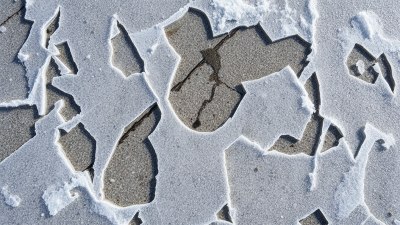
As winter descends and temperatures drop, patches of ice frequently appear on roads, sidewalks, and other surfaces. At first glance, these ice patches often look deceptively like mere wet spots or damp areas. This common misperception is more than just a humorous observation—it has serious implications for safety and awareness during colder months. Understanding why ice patches look like they are 'just wet' requires a closer look at the physical properties of ice and water, as well as how light interacts with different surfaces.
The Optical Illusion Behind Ice and Water
One of the key reasons an ice patch might be mistaken for simply “wet” is due to how light behaves when reflecting off icy surfaces versus watery ones. Both water and ice are transparent materials, but their surface textures and states affect reflection and refraction differently. When sunlight or artificial lighting strikes a frozen patch, some light is reflected off the ice surface, and some is refracted through it. If the ice is smooth and clear, it essentially acts like a transparent sheet, making the underlying pavement visible, which can create the illusion of wetness.
Wet surfaces also have a sheen caused by a thin layer of liquid water. This layer causes light to reflect in certain ways depending on the angle of observation and illumination. Clear ice, being similarly translucent and often smooth, can mimic this effect almost perfectly, especially when viewed at certain angles. The human eye is naturally tuned to interpret the shininess and darkened color of pavement due to moisture as a wet spot, causing confusion when the surface is actually frozen.
Surface Texture and Its Role in Perception
Another significant factor contributing to the misidentification between ice and wetness is the texture of the surface beneath the ice. When ice forms directly on smooth pavements or asphalt, it tends to freeze in a thin, clear layer that closely conforms to the surface contours underneath. This clear ice layer can appear glossy and dark, much like a puddle would. The boundary between wetness and ice thus becomes visually ambiguous.
The absence of snow or frost atop the ice also tricks the eye. Snow, with its opaque white appearance, signals to observers that the surface is frozen. Without snow, however, the ice remains transparent. This transparency combined with minimal surface disruption leads to an unclear visual cue. Pedestrians and drivers may regularly underestimate the risk based on these visual hints alone.
Temperature and the Formation of Black Ice
This misidentification becomes even more dangerous with the phenomenon known as “black ice.” Black ice refers to extremely thin ice that forms on roadways, matching the color of the asphalt (which is black), making it almost invisible. Unlike frost or thick ice sheets, black ice often lacks any texture or tint to signal its presence.
Scientists explain that black ice forms under particular temperatures, especially when moisture from the air condenses and freezes rapidly on cold roads. Because it doesn’t trap air bubbles or impurities, it remains very clear and thus highly camouflaged against the surface below. This is why many accidents occur during early morning or late night hours when black ice is more prevalent—the driver sees what looks like a clean, wet road and fails to anticipate the treacherous slipperiness underneath.
The Science of Freezing and Melting on Surfaces
To better understand why ice looks wet, we need to consider the physical process of freezing and melting. When water freezes, it undergoes a transition from a liquid to a solid state, creating an ordered crystalline structure. The clarity or opacity of this ice is dependent on factors like freezing rate and the purity of the water.
Ice that freezes quickly tends to trap air bubbles and may appear opaque or white, while ice formed slowly and under calm conditions is clearer. In urban environments, ice patches usually freeze slowly and consist mostly of pure water runoff, leading to relatively transparent patches that don’t stand out as visibly icy.
Moreover, when environmental temperatures hover around the freezing point, partial melting can occur on the ice surface even when the core remains frozen. This thin film of liquid water on top is responsible for the glossy, wet appearance and is also a major factor in what causes slippery conditions. The presence of this water film further blurs the line between wet and icy surfaces.
Real-World Consequences of Misreading Ice Patches
The mistaken assumption that an icy patch is merely wet can lead to serious injuries or traffic accidents. Pedestrians may slip and fall, and drivers may lose traction without warning. Emergency room data from colder regions often shows a spike in falls and vehicle collisions related to winter ice hazards.
Due to the ice’s hard-to-detect nature, public safety campaigns emphasize the importance of cautious movement and attention to subtle environmental cues during winter. Street maintenance programs also prioritize ice monitoring and timely application of de-icing agents to reduce these risks.
Tips to Identify Ice Despite Its Wet Appearance
While it’s difficult to visually distinguish ice patches from wet spots, there are a few tips that can help avoid mistakes. One is to pay attention to temperature and recent weather patterns. If temperatures are below freezing and there has been precipitation or melting, the chance of ice formation increases.
Another clue is the feeling underfoot or under tire: ice tends to be slippery when touched, compared to wet pavement, which offers better traction. For drivers, seeing a patch of surface that reflects light unusually or exhibits a mirror-like gloss especially when temperatures are low should raise suspicion.
Using tactile feedback, such as gently tapping a walking stick or observing how vehicles behave approaching a patch, can also alert individuals to the presence of ice. When in doubt, treating dark, shiny patches as ice rather than wetness is always a safer approach.
Advances in Technology to Detect Hidden Ice
Recent advancements in road safety technology aim to address the challenges posed by invisible ice. Road sensors equipped with temperature and moisture detectors can alert traffic control centers about ice formation in real-time. Additionally, new materials used in road surfacing are being tested to improve grip and reduce ice adherence.
Some smart vehicle systems now employ cameras and infrared sensors to detect road surface conditions, warning drivers about ice patches even before they visually detect them. These technological aids are promising tools in preventing accidents arising from misjudging ice as wet pavement.
The Role of Environmental Factors in Ice Appearance
Environmental elements such as humidity, wind, and sunlight intensity also influence how ice appears to an observer. For instance, ice patches in shaded areas or on northern slopes of terrain tend to retain clearer, smoother ice longer, appearing more like wet spots compared to areas exposed to sun where melting and refreezing can rough up the surface.
Wind can dry the surface, slightly altering the ice’s gloss and making it less deceptive. Conversely, humid conditions promote a thin water film atop ice, amplifying the wet-like shine. Understanding these microclimate effects can help individuals better interpret what they see.
Ice in Different Geographical Settings
Ice patches do not appear uniformly across all regions and surface types. Urban environments with lots of runoff and pollutants might have dirtier, more opaque ice, which is easier to recognize, while natural settings with clean water sources produce clearer ice that is harder to identify.
Road construction materials also matter; concrete surfaces may reflect light differently than asphalt, changing how ice looks. Awareness of one’s local conditions and typical ice characteristics is valuable when judging surface safety during winter.
How Our Brain Processes Wet Versus Icy Surfaces
Human visual perception relies heavily on learned patterns. Throughout much of the year, a shiny dark spot on a road or sidewalk correlates strongly with wetness rather than ice. This seasonal cognitive bias leads to underestimating the presence of ice in winter.
The brain also uses contextual clues, like surrounding temperature and weather reports, to adjust assumptions, but when these are overlooked, the visual similarity between ice and wet patches can easily mislead. This underlines the importance of seasonal awareness and preparedness.
Practical Precautions During Winter Months
Given the difficulty in distinguishing ice from wetness by sight alone, practical safety habits can mitigate risks. Wearing footwear with good traction, slowing down both when walking and driving, and visually scanning for anomalies during colder weather are advisable.
In managed spaces, community initiatives to sand or salt walkways and roads help reduce icy hazards. Educating the public about the visual tricks ice plays can foster more cautious behavior and decrease winter accidents.
Conclusion
Ice patches look like they are 'just wet' due to the optical properties of transparent ice closely mimicking wet surfaces, supported by factors like smooth texture, thin water films, and environmental context. Recognizing this deceptive appearance, understanding the science behind it, and adopting appropriate caution is vital for safety during colder months.
By paying attention to temperature, subtle cues, and employing technological advances, we can reduce the risks associated with mistaking ice for ordinary wet pavement. Ultimately, heightened awareness and prudent preparation help navigate winter safely.