Why You Never See Anyone Gracefully Walk Across Black Ice
Explore the science behind why walking gracefully on black ice is nearly impossible and learn tips to stay safe during icy conditions.
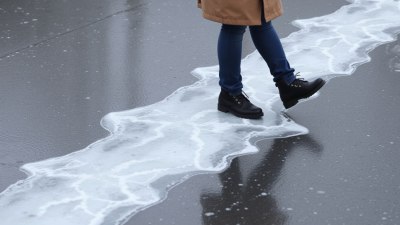
Black ice, a nearly invisible layer of ice on roads and sidewalks, is notorious for causing slips and falls that rarely look graceful. Despite many people’s best efforts to maintain composure, traversing black ice often results in awkward, clumsy movements rather than smooth, dignified strides. This phenomenon begs the question: why is it so hard to walk gracefully on black ice? Understanding the physical properties of black ice, human biomechanics, and common behavioral responses reveals why grace is fleeting in these slippery conditions.
What Is Black Ice?
Black ice is a thin, transparent coating of ice that forms on streets, sidewalks, and other surfaces, especially during cold, humid weather. Unlike white ice or thicker ice layers, black ice is nearly invisible against the dark pavement beneath it because it lacks trapped air bubbles or frost crystals that scatter light. This optical invisibility contributes to its danger since pedestrians and drivers alike might not be aware of its presence until they’re already on it.
The formation of black ice typically occurs when moisture from melting snow, rain, or fog freezes quickly in below-freezing temperatures. Especially in shaded areas, bridges, and overpasses, these conditions encourage a thin glaze of ice that’s deceptively smooth. Although it often forms overnight, black ice can linger into daytime hours if temperatures remain low.
The Physical Properties of Black Ice That Affect Walking
At its core, black ice is a thin sheet of frozen water. This means its surface is extremely slick, providing very low friction. Friction is the force resisting the relative motion of surfaces sliding against each other. When walking on a normal dry surface, the rubber soles of shoes grip the ground firmly due to higher friction, enabling stable steps and control over balance.
On black ice, the coefficient of friction plunges drastically. The very smooth and hard nature of ice means there’s minimal resistance when your foot contacts the ground. As a result, any push or pressure intended to propel you forward can slip instead. This reduced grip makes it exceedingly difficult to maintain balance and execute controlled, graceful movements.
Scientists measure these friction values experimentally. Dry pavement might offer coefficients of friction around 0.6 to 0.9, indicating good traction. Fresh, rough snow may offer 0.1 to 0.3, already lower but manageable with caution. Black ice falls well below these, sometimes as low as 0.02 or 0.03, which registers as extremely slippery. With such low friction, even the smallest misstep may launch your foot skidding forward suddenly.
Biomechanics of Human Walking on Black Ice
Normal walking is a complex, coordinated process involving several muscle groups, joints, and neural feedback mechanisms. The human body continuously adjusts posture, muscle tension, and step length to maintain balance while propelling forward. These adjustments rely heavily on sensory information from the feet, such as tactile feedback and pressure distribution. When the body detects the adequate grip from the ground, it confidently pushes off the rear foot and swings the other leg forward fluidly.
Black ice interferes starkly with these biomechanical processes. When the foot first contacts the ice, the expected resistance or friction is missing. The foot may slide forward uncontrollably instead of planting firmly. Without stable footing, the body’s momentum can cause the center of gravity to shift unexpectedly. To compensate, the body tries to react quickly—usually through sudden muscle contractions and changes in posture—to prevent a fall.
These rapid, reactive movements often appear awkward and tense. Arms may fling out sideways or upward to regain balance; knees bend unnaturally to absorb shock; steps become shorter and cautious. The controlled, rhythmic gait of normal walking morphs into a halting, unsteady shuffle or a series of hesitant hops and slips. These reactive adjustments consume more energy and focus and leave little room for the elegance and smoothness associated with graceful walking.
Neurological and Psychological Factors in Walking on Ice
Beyond the physical challenges, the nervous system plays a pivotal role in how people move on slippery surfaces. The brain continuously integrates sensory inputs—visual cues, proprioception (sense of body position), and vestibular signals (balance from inner ear)—to coordinate movement. When encountering black ice, many of these inputs become unreliable or conflicting.
Visually, black ice is nearly invisible. This lack of clear visual warning forces the brain into a heightened state of alertness once slippage is sensed, but the initial moment is usually unexpected. Sudden loss of traction triggers the brain’s rapid protective responses, activating reflexive muscle contractions to prevent falling. This impulsive response disrupts the smooth, planned motor activities associated with walking.
Psychologically, the fear of falling induces further caution and anxiety. Many individuals reacting to black ice adopt a stiff-legged, careful stance to avoid slips. This 'stiffness' ironically reduces the natural shock absorption and adaptability of joints, making balance even harder. The mental distraction caused by focusing intensely on not slipping also impacts movement fluidity, reducing gracefulness.
Common Walking Patterns on Black Ice
Observing people on black ice reveals certain typical behaviors. Many adopt a “penguin walk,” where feet stay flat and close together, and steps are short and deliberate. This gait minimizes heel strikes and foot lifts, reducing chances of sudden slips. Others slide their feet rather than lifting them, attempting to keep contact constant and avoid sudden friction loss.
Some may use their arms extensively to balance, waving them wide or adopting exaggerated postures that seem awkward. Occasionally, individuals crouch slightly or bend knees more than usual to lower their center of gravity and improve stability. While these modifications are sensible for safety, they further diminish the appearance of graceful walking.
Footwear and Its Impact on Walking on Black Ice
Footwear plays a crucial role in negotiating black ice. Shoes with smooth soles provide nearly no traction, making slips far more likely. In contrast, boots or shoes designed for icy conditions feature rubber soles with deep treads, often incorporating materials like Vibram compounds or embedded metal studs.
These specialized soles increase friction even on ice, thanks to their design and materials that can better grip microscopically rough surfaces or penetrate thin ice layers. Yet, even the best footwear cannot guarantee perfect footing on black ice, especially if it is pure, smooth, and covers a large area.
Improper footwear choices—such as dress shoes, high heels, or sneakers with worn-out soles—exacerbate slip risk and force more cautious, less graceful gait patterns. Hence, people often appear clumsy on black ice partially due to footwear constraints.
Environmental Factors That Worsen Black Ice Conditions
Several factors influence the formation and slipperiness of black ice. Shaded areas, as mentioned, retain ice longer due to lack of sunlight, making some patches persist throughout the day. Bridges and overpasses frequently develop black ice because cold air circulates above and below the structure.
Deicing chemicals like salt, while effective at melting ice, can sometimes create melting-refreezing cycles that lead to thin ice layers known as 'glaze ice' or 'black ice.' Additionally, compacted snow from pedestrian traffic may melt slightly due to body heat or sunlight during the day and refreeze at night, creating hockey-rink smooth patches.
Injury Risks Associated with Black Ice
Walking on black ice poses significant injury risks. Falls caused by slipping can result in bruises, sprains, fractures, or even head injuries. Elderly individuals and those with limited mobility are particularly vulnerable. Slips and falls on black ice account for a considerable portion of winter-related emergency room visits in regions with cold climates.
Because the loss of balance happens suddenly, the body often cannot brace itself properly, leading to more severe impacts. Falling backwards or striking wrists and hips during a slip can cause long recovery periods and serious health complications.
Tips for Walking Safely on Black Ice
While you may never look graceful when walking on black ice, you can still protect yourself by adopting safer habits. Here are some practical tips:
Slow down: Take short, deliberate steps and move cautiously to reduce the likelihood of falls.
Bend knees slightly: Maintaining a slightly crouched posture lowers your center of gravity and improves balance.
Keep arms out: Extend your arms sideways or in front to help stabilize your balance.
Use appropriate footwear: Wear boots or shoes designed for icy terrain with good tread and possibly ice grips.
Focus on footing: Pay close attention to the ground and test suspect surfaces before fully stepping onto them.
Consider using aids: Walking sticks, poles, or handrails provide extra support on icy paths.
Distribute weight evenly: Try to land your foot flat to maximize surface contact and friction.
Why Graceful Walking Is Rarely Possible
Given all these factors, it becomes clear why you seldom see someone walking gracefully across black ice. The fundamental obstacle is uncontrollable slippage caused by extremely low friction, which sabotages the body’s usual well-orchestrated walking mechanics. The involuntary, rapid correction attempts create awkward, abrupt movements. In addition, fear, tension, and cognitive distraction due to fall risk further disrupt smooth gait patterns.
Even the most experienced pedestrians must temper their elegance for the sake of safety. Unlike walking on rock-solid ground, where momentum and fluid joint motion guide refined strides, black ice demands hesitation, careful balance, and readiness to compensate for sudden loss of traction. This compromise between safety and style is why graceful black ice walking is a rare sight.
The Science of Slip Prevention and Balance Control
Research into slips and falls elaborates on the sensory-motor challenges posed by icy surfaces. The somatosensory system delivers crucial feedback from mechanoreceptors in the skin of the sole to help adapt stride and posture. Black ice reduces these sensory cues by decreasing foot pressure fluctuations, confusing the nervous system.
Scientists use force plates and motion capture technology to study gait on slippery surfaces. Findings show increased muscle co-contraction—a simultaneous activation of opposing muscle groups—to stiffen joints and enhance stability. While this neuromuscular strategy prevents dangerous falls, it also reduces fluidity and grace.
Future innovations in footwear technology, such as smart soles with enhanced grip or sensors detecting slipperiness in real-time, may improve safe walking. Yet, the inherent slipperiness of thin ice layers will always challenge smooth mobility.
Walk Smart: Appreciating the Subtle Art of Ice Navigation
Ultimately, mastering walking on black ice is less about grace and more about controlled adaptation. It’s about consciously engaging muscles differently, adjusting posture actively, and understanding one's environment with heightened awareness. Observing the subtle shifts in body weight, the careful placement of steps, and the balancing acts people perform reveals a different kind of grace—one rooted in survival and prudence rather than elegance.
Next time you watch someone negotiating a patch of black ice, appreciate the complex interplay of physics, biology, and psychology at work. Their clumsy steps reflect a sophisticated, high-stakes balancing act against the slippery forces of nature. While it may not be visually graceful, it is an impressive, adaptive human feat all the same.