Why Trees Wait Until You Trust the Weather Before Doing Anything Interesting
A humorous look at why trees stay completely inactive until you trust the weather, and then suddenly begin doing everything at once with suspicious timing
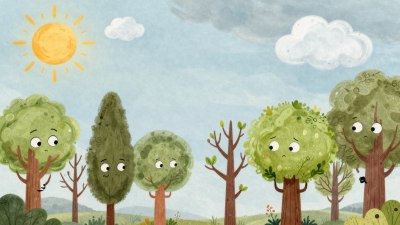
Photo via Canva.com/AI Generated Image
Trees do nothing for a long time.
They stand still through winter with a level of commitment that feels absolute. No leaves. No growth. No visible change. Just branches, outlines, and the quiet suggestion that nothing is currently being attempted.
This stillness is convincing.
After enough time, you begin to believe it.
You accept that the trees are dormant, inactive, and in no hurry to become anything else. You adjust your expectations. You stop checking. You stop looking for signs. You assume that when change comes, it will be gradual, reasonable, and clearly announced.
This is when the trees begin.
The Long Period of Nothing
Before spring, trees appear to be doing very little.
Days pass. Weeks pass. The temperature fluctuates. Light slowly increases. The air occasionally suggests improvement. None of this seems to affect the trees in any visible way.
They remain unchanged.
This consistency creates trust.
You start to think that trees operate cautiously. That they require stable conditions. That they will wait for reliable warmth, consistent light, and a clear seasonal transition before committing to growth.
This is a misunderstanding.
Why Trees Ignore Early Optimism
Early signs of spring are not enough to convince a tree.
A warm afternoon, a bright morning, or even several days of improved weather do not trigger visible change. Trees do not respond to brief optimism. They do not react to temporary comfort. They do not adjust their behavior based on how pleasant the day feels to you.
This restraint seems wise.
It suggests patience, stability, and a resistance to being misled by short-term conditions. It makes the trees appear reliable, grounded, and immune to the kind of seasonal overconfidence that affects humans immediately.
You begin to respect this.
You begin to align your expectations with theirs.
The Moment You Stop Checking
There is a specific moment in early spring when you stop actively monitoring the trees.
You glance at them less. You assume nothing is happening. You accept that change, when it comes, will take time. You shift your attention elsewhere. You begin focusing on other signs of the season—light, temperature, clothing decisions, your own misplaced optimism.
This is the exact moment trees have been waiting for.
Not intentionally.
But with remarkable accuracy.
The Sudden Appearance of Everything
Tree activity does not feel gradual.
One day, branches are bare. The next, they are not.
Small buds appear where there was previously nothing. Leaves begin to form, unfold, and expand with a speed that feels disproportionate to the weeks of stillness that came before. Entire streets change character in a matter of days. Light filters differently. Shadows soften. The sky becomes partially occupied.
This transformation feels sudden because it is visible only at the point it becomes obvious.
The preparation was happening long before you noticed.
Why It Feels Like Bad Timing
The timing of tree growth often feels inconvenient.
Not in a dramatic way, but in a subtle, observational one. You realize the trees have changed at the exact moment you stopped paying attention. Or worse, at the moment you made a confident statement about them not having changed.
“It still looks like winter,” you might think.
The trees disagree immediately.
This creates the impression that trees are responding to your perception rather than the environment. That they waited for your certainty before contradicting it. That they prefer to begin their visible transformation at the point where it will feel most surprising.
This is not true.
But it is consistent enough to feel intentional.
The Illusion of Sudden Growth
Tree growth is not actually sudden.
It is the result of accumulated conditions reaching a threshold.
Temperature, daylight, and internal biological processes gradually align. Energy stored over winter becomes available. Signals within the tree indicate that it is time to begin visible growth. Once this process starts, it moves quickly because the groundwork has already been completed.
From the outside, this looks like a decision.
In reality, it is a release.
The tree is not choosing the moment.
The moment has finally become unavoidable.
Why Trees Seem More Certain Than the Weather
Spring weather is inconsistent.
Warm one day, cold the next. Bright, then grey. Calm, then unsettled. It creates uncertainty about what the season is actually doing.
Trees do not share this uncertainty.
Once they begin, they continue.
Leaves do not retreat because of a cold morning. Buds do not reverse because of a cloudy afternoon. Growth, once visible, proceeds with a level of commitment that the weather itself does not maintain.
This contrast is striking.
You are still unsure whether to trust the season, and the trees have already committed to it completely.
The Collective Effect
One tree changing is noticeable.
All trees changing is overwhelming.
The transition rarely happens in isolation. Entire areas shift at once. Streets, parks, and landscapes move from bare to active in a coordinated way that feels organized, even though it is driven by shared environmental conditions rather than communication.
This collective change amplifies the sense of suddenness.
You are not observing a single transformation.
You are observing a system reaching the same conclusion everywhere at once.
Why It Feels Like You Missed Something
There is a brief period during early spring where you feel slightly behind.
The trees have begun. The leaves are forming. The light has changed. The environment looks different in a way that suggests you were not present for the beginning of it.
You did not miss much.
But you missed the transition.
This creates a subtle discomfort. The sense that something important happened quietly, and you only became aware once it was already established.
The trees did not exclude you.
They simply did not announce the moment in a way you could easily detect.
What Trees Are Actually Doing
Trees are responding to accumulated environmental signals.
They track changes in daylight length, temperature patterns, and internal chemical processes. When these align, growth begins. Buds open. Leaves develop. Energy moves from storage into structure. The tree transitions from conservation to expansion.
This process is precise, but not personal.
It does not depend on your attention, your expectations, or your level of seasonal trust. It happens according to conditions that exist whether or not you are observing them.
The apparent timing is a coincidence of perception.
What You Can Do About It
You can watch more closely.
This may allow you to notice earlier signs—small buds, slight color changes, subtle shifts in branch texture. It will not make the process slower, but it may make it feel less sudden.
You can accept that some changes are only visible once they are well underway.
Not everything announces itself gradually. Some processes build quietly and appear complete the moment they become noticeable.
Or you can continue to be surprised.
Each year, the trees will appear inactive until they are not.
They will ignore early warmth, wait through your assumptions, and then begin at a pace that feels slightly unreasonable.
Not because they were waiting for you to trust the weather,
but because that is exactly when you stop expecting them to do anything at all.