Why the Wind Only Shows Up When Your Hands Are Full
Explore the curious connection between busy moments and the sudden arrival of wind through science and folklore.

Image created with Flux Schnell
Have you ever noticed how a sudden gust of wind often seems to arrive just when your hands are full? This curious phenomenon is not just a coincidence or a playful trick of nature; it is a fascinating interplay between environmental factors, human perception, and sometimes even folklore. Understanding why the wind often shows up at inconvenient moments requires a look into meteorology, psychology, and a bit of storytelling.
Understanding Wind: A Brief Overview
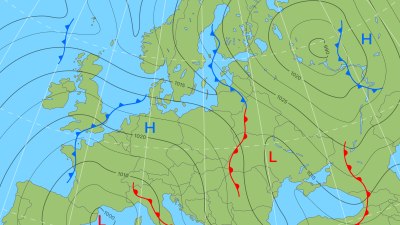
Wind, at its most basic level, is air in motion relative to the surface of the Earth. It is caused by differences in atmospheric pressure, which result from uneven heating of the Earth’s surface by the sun. Warm air rises, creating areas of low pressure, while cooler air sinks, creating high-pressure zones. Air moves from high-pressure areas to low-pressure ones, producing wind.
However, wind is not a constant force; it fluctuates in intensity and direction due to a variety of factors such as terrain, temperature, humidity, the presence of obstacles, and weather systems. The complexity of these variables means that wind behavior can be unpredictable or seem random at times.
The Unexpected Timing of Wind Gusts
Why does wind often seem to gust when your hands are full? One explanation lies in how wind moves. Wind tends to flow most freely in open areas, but when it passes through obstructions like buildings, trees, or hills, it can create sudden gusts or sporadic breezes. This effect, called the venturi effect, accelerates wind speed through narrow spaces and can cause sudden gusts that catch people off guard.
When your hands are full, you are usually less able to react quickly to such gusts, making it more noticeable. Carrying packages, holding a child, or juggling multiple items divides your attention and restricts your ability to shield yourself. This combination of environmental physics and human limitation amplifies the experience of wind at inopportune moments.
Psychological Factors: Attention and Perception
The phenomenon also has a psychological aspect. When your hands are full, your brain pays more attention to the difficulties caused by external factors, such as a sudden gust of wind. If a strong wind blows when your hands are empty, you might barely notice it. But when carrying items, that same gust represents a potential hazard—an opportunity to drop what you’re holding, lose balance, or otherwise struggle.
This heightened awareness can create the illusion that wind only shows up at these moments, though in reality, it is always present to some degree. This selective attention means we remember and focus on times when wind disrupts us, rather than its constant presence during non-problematic moments.
Energy and Momentum: The Challenge of Balancing
Another aspect to consider is the physical challenge of maintaining balance when carrying objects in windy conditions. Wind exerts a force on surfaces it encounters, and when you are holding items, especially lightweight or oddly shaped ones, the wind can act like an additional weight, pulling or pushing them in unpredictable ways.
Items such as bags, papers, umbrellas, or plastic grocery sacks can catch the wind easily, making it tougher to hold on, particularly if your hands are already occupied. This can cause frustration and draws attention to wind gusts that might otherwise go unnoticed.
Folklore and Cultural Interpretations
Across many cultures, the wind has been personified or interpreted as a messenger or a playful spirit that appears during moments of vulnerability or distraction. In folklore, wind sometimes carries the breath of spirits, or it arrives as a reminder that nature is always present and unpredictable.
In some traditions, a sudden gust while your hands are full could be seen as a sign of change or a nudge to pay attention to your surroundings. These stories, while metaphorical, reflect a shared human experience of the unexpected timing of wind and our interactions with the natural world.
Engineering and Design Responses
Recognizing the challenges posed by wind when hands are full has led to practical innovations. For example, products like clip-on bags, wind-resistant umbrellas, or hands-free carrying solutions such as backpacks are designed to reduce the impact of wind while carrying items. In urban planning, architects and engineers study wind patterns to minimize gusts in pedestrian areas, improving comfort and safety.
By analyzing wind behavior in specific environments, professionals develop structures that either block unwanted gusts or channel wind flow in less disruptive ways. This applied knowledge helps mitigate the difficulties caused by unexpected wind when people are carrying things.
The Science of Microclimates
Another interesting factor is the concept of microclimates, small areas where the climate differs from the surrounding region. Urban landscapes, parks, and valleys can create distinct wind conditions. When moving through these microclimates, particularly in cities with tall buildings or narrow streets, wind can suddenly intensify in certain spots while being almost still in others.
This patchwork of wind conditions can cause surprising gusts just as you navigate through these areas, often coinciding with moments when your hands are occupied. The variability of microclimate wind patterns adds another layer of complexity to the experience.
Human Behavior and Wind Interaction
Human behavior also shapes how we encounter wind. When holding objects, we naturally adopt certain postures or movements that might expose us more to gusts. For example, extending arms to keep balance or holding packages in front can increase the surface area that wind affects, thereby intensifying the sensation of the breeze.
Additionally, rushing or moving quickly to complete a task while carrying items can mean that wind is felt more acutely, as movement relative to the air increases perceived wind speed. This relationship between velocity and wind forces explains why sometimes the breeze feels stronger exactly when you’re in a hurry and your hands are full.
Wind and Emotional Response
The interaction with wind when carrying things also triggers an emotional response, often frustration or annoyance. These feelings can amplify the perception of wind’s disruptive role in daily life. The sensation of losing grip, the fear of dropping items, or the difficulty managing movement all contribute to creating a memorable, sometimes unpleasant experience that reinforces the idea that wind only appears when you are burdened.
Understanding this emotional dimension helps us recognize the subjective side of this phenomenon and why it sticks in our minds so clearly compared to more mundane instances of wind.
Wind in Literature and Art
Artists and writers have long portrayed wind as a symbol of change, challenge, and the unpredictability of life. The recurring motif of wind arriving at critical or awkward moments mirrors the everyday experience of having your hands full when the breeze suddenly intensifies.
These creative interpretations capture the essence of the relationship between humans and the environment, highlighting themes of vulnerability and resilience. The wind serves both as a metaphor for external forces beyond control and as a tangible inconvenience, making it a powerful element in storytelling.
Strategies to Manage Wind When Your Hands Are Full
Given the persistent nature of wind and its timing, practical strategies can help mitigate its disruptive effects. Using bags with secure closures, opting for backpacks instead of handheld bags, or planning routes with less exposure to wind-prone areas are ways to proactively manage the challenge.
Wearing appropriate clothing, such as windbreakers or layered outfits, can also reduce the impact. Additionally, pausing to temporarily put down items when wind gusts arise is a simple but effective tactic. Awareness of local weather forecasts and wind patterns can further prepare you for moments when your hands might become vulnerable to wind’s interference.
Scientific Experiments Illustrating Wind Effects
To better understand the interaction between wind and items carried in hands, scientists have conducted experiments examining aerodynamic drag on common objects. These studies reveal how shape, surface area, and material affect how the wind interacts with objects, influencing the force exerted on a person’s grip.
For example, light plastic bags flutter dramatically even in moderate breeze, while dense, compact items present less surface area and are easier to hold. These insights underscore the importance of object choice and handling technique when navigating windy conditions.
The Role of Seasonal Changes
Seasonality also influences wind patterns and our encounters with wind while hands are full. In many regions, wind speeds increase during transitional seasons like spring and autumn, bringing more frequent gusts. These periods coincide with times when people are more likely to carry seasonal items—such as bags of garden supplies in spring or shopping bags during holiday seasons in autumn and winter—heightening the experience of wind interruptions.
Understanding seasonal wind trends can help anticipate and prepare for these inconveniences.
Urban Myths and Anecdotes
The idea that wind “chooses” moments when hands are full has given rise to urban myths and anecdotes. Stories abound of wind causing spills, scattering papers, or playfully tossing hats just at the most inconvenient times. While scientifically these are chance events, their frequency and similarity across experiences reinforce the perception of intentional timing.
These narratives contribute to the shared cultural feeling that wind has a mischievous personality, even though it is driven purely by physical forces.
In essence, the wind only seems to show up when your hands are full because of a combination of natural wind behavior, the layout of our environment, human perception, and cultural storytelling. Wind is a constant presence, but its effects become most memorable and challenging when our attention and ability to react are limited by the burden we carry.
By understanding the science behind wind gusts, recognizing psychological patterns, and learning from cultural insights, we can better prepare for and mitigate the impact of this natural phenomenon, turning moments of frustration into opportunities for mindfulness and adaptation.