Why the Radiator Starts Working Right After You Leave
Discover why your radiator often begins heating just after you leave, exploring thermostat mechanisms, heating cycles, and common household factors.
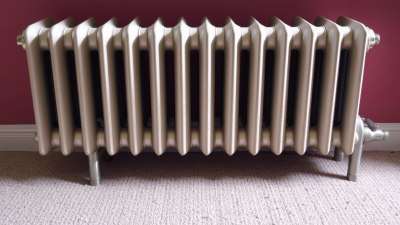
Image created with Flux Schnell
Have you ever noticed that your radiator seems to start working just after you’ve stepped out of the room or your home? This can be puzzling and, in some cases, frustrating, especially if you leave your space expecting it to be comfortable immediately upon your return. To understand why your radiator begins to heat only after you leave, it’s essential to delve into how radiator heating systems work, examine thermostat behavior, and consider environmental factors that influence heating cycles.
Basics of Radiator Heating Systems
Most residential radiator systems function based on a central boiler that heats water and circulates it through pipes to radiators placed in different rooms. This hot water transfers heat to the metal radiator, which then releases warmth to the surrounding air through convection and radiation. The system’s operation is usually governed by a thermostat, which monitors room temperature and signals the boiler when to run. When the set temperature is reached, the boiler shuts off, and the radiator cools down until it’s time to heat again.
The process sounds straightforward, but there are variables in timing, thermostat placement, and room conditions that affect when and how radiators operate. Understanding these mechanisms can help explain why the radiators might start heating just after you leave.
Thermostat Delay and Heat Sensing
One key reason involves the thermostat’s sensing and control logic. Thermostats measure the air temperature in their immediate vicinity, and they typically have a delay or hysteresis to prevent frequent cycling of the heating system. This delay ensures the boiler and radiator don’t turn on and off rapidly, which could lead to wear and inefficiency. Consequently, when you are in the room, your presence—along with your body heat, electronics, and other heat sources—may cause the thermostat to sense the room as warmer than it actually is for heating purposes.
Once you leave the room, these heat sources disappear. The overall temperature detected by the thermostat begins to drop. After the reading falls below the setpoint minus the thermostat’s hysteresis, it triggers the boiler to activate. This causes the radiator to start heating shortly after you’ve vacated the area. So, paradoxically, by being present, your own warmth contributes to delaying the heating start, which only kicks in once you are gone.
Impact of Ventilation and Airflow
The movement of air also plays a significant role in how the radiator appears to behave. When you are in the room, your movements can disrupt airflow and potentially cause warmer air to accumulate around the thermostat, further affecting its temperature sensing. When the room is empty, air circulation changes, allowing the temperature near the thermostat to drop more consistently. Additionally, if windows or doors are opened or closed upon departure, this can cause a temperature change that prompts the radiator to activate.
Inertia in Heating Systems
Heating systems exhibit a certain amount of thermal inertia due to the materials involved. Radiators, boilers, and hot water pipes retain heat and take time to cool down and warm up again. If the radiator was recently off or just barely maintaining the temperature, the system may appear slow to respond until the room temperature has dropped enough to demand heating. This lag can coincide with your exit, creating the appearance that the radiator only starts working once you leave.
Smart Thermostats and Energy Saving Modes
Modern smart thermostats add another layer to this explanation. These devices often use motion sensors, learning algorithms, and external factors such as your phone’s GPS location to adjust heating schedules. They might deliberately reduce heating activity when the room or house is occupied, anticipating natural heat sources or personal activity, and then increase heating once you have actually left to ensure the home stays warm while you're away or upon your return.
Some smart systems are programmed to lower the temperature threshold for turning on the heating when no presence is detected, thus activating the radiator shortly after you have exited the premise. This approach prioritizes energy efficiency by minimizing unnecessary heating while maintaining comfort levels based on occupancy.
Thermostat Placement and Sensitivity
The physical location of the thermostat also strongly influences heating behavior. If the thermostat is placed near heat sources like direct sunlight, appliances, or your typical seating area, it might register a higher temperature during occupancy than is representative of the overall room temperature. Hence, it delays the radiator’s activation until these additional heat sources vanish, such as when you leave the room.
Conversely, a thermostat placed in a drafty or colder part of the room may cause early activation, which could not align with when you leave, suggesting that placement affects perception and functionality.
Thermal Stratification Effects
Inside a heated room, warm air tends to rise while cooler air stays near the floor. This stratification means the thermostat, usually mounted at around chest or head height, might record different temperatures than parts of the room you occupy. When you leave, the temperature layers can shift slightly, causing a drop in temperature at the thermostat’s level and triggering the radiator’s activation. This subtle change supports why the heating may start seemingly right after occupancy ends.
Common Household Practices Influencing Radiator Timing
Furthermore, behaviors such as closing doors behind you, adjusting blinds or curtains, and turning off electronic devices when leaving impact localized temperatures and airflow. These actions inadvertently cause the thermostat to sense temperature changes that seem correlated with your departure.
Additionally, if your heating system is older, with mechanical thermostats or manual valves, imprecise temperature sensing and delayed reactions may be more pronounced, increasing the chances of this timing quirk.
Boiler Response and Pump Circulation
The radiator’s heating depends on the boiler’s ability to warm water and the circulation pump to distribute it efficiently. If the boiler only runs when called upon, slight temperature drops after you leave trigger the system to begin operation. The time it takes for hot water to reach the radiator, combined with pump cycling, aligns heating onset with your departure, reinforcing the impression that radiators work only after you’re gone.
How to Address or Adjust This Behavior
If this heating delay causes discomfort or energy concerns, there are strategies homeowners can employ. Relocating the thermostat to a more representative part of the home reduces false readings induced by personal heat or airflow disturbances. Installing multiple thermostats or using radiator thermostatic valves allows more granular control of individual radiators relative to room usage.
Upgrading to a smart thermostat with occupancy sensing capabilities can optimize heating schedules and anticipate presence more accurately. Programming your system to start heating slightly earlier or maintain a minimal temperature before you leave can prevent rooms from cooling down excessively.
Regular maintenance of the boiler, pump, and radiator valves ensures responsiveness and prevents delayed heating onset due to mechanical issues.
Understanding Your Heating System’s Characteristics
Every heating setup has unique characteristics based on its design, age, and configuration. Familiarizing yourself with how your system senses temperature, responds to occupancy, and cycles heating can help set realistic expectations about when radiators start working. Observing patterns over days or weeks provides insight into the timing and influence of occupancy on heating behavior.
In some cases, what appears to be inconvenient timing is simply an efficiency mechanism to reduce unnecessary heating, leveraging the thermal inertia and environmental dynamics of your home.
The Interplay of Sensing and Timing
The seemingly counterintuitive scenario of a radiator starting to heat right after you leave is the result of a complex interplay between thermostat sensing, heat sources, air movement, and heating system inertia. Being present often keeps the sensed temperature artificially higher, delaying the boiler’s activation, while the vacuum left by your absence causes a temperature drop, triggering radiator operation. Recognizing these factors helps homeowners understand, optimize, and adapt their heating systems for comfort and efficiency.