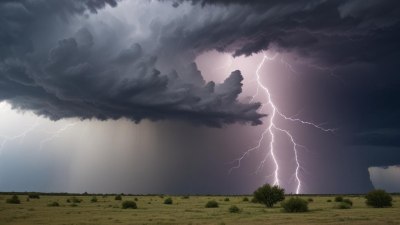
Why Spring Weather Changes Its Mind Every 12 Minutes
Explore why spring weather frequently shifts, revealing the science behind rapid changes in temperature, wind, and precipitation every 12 minutes.

Spring is a season renowned for its unpredictability, and many people often joke that the weather during this time can literally change its mind every 12 minutes. But what exactly causes such rapid shifts in weather conditions? Understanding the complexities behind spring weather fluctuations requires a deep dive into atmospheric dynamics, seasonal transitions, and geographical influences. This article unpacks the scientific reasons for fast-changing spring weather and explores the meteorological phenomena that contribute to this rapid variability.
Seasonal Transition and Its Impact on Weather
Spring marks the transition between the cold and often stable conditions of winter and the warm, more consistent climate of summer. This shift creates an environment where differing air masses—cold and warm—frequently clash, leading to instability in the atmosphere. Because the sun's position relative to Earth changes during spring, the amount and intensity of solar radiation vary from day to day and even hour to hour. As a result, temperature changes become more pronounced, influencing weather patterns and causing fluctuations within short time intervals.
During spring, the temperate zone often experiences a tug-of-war between lingering cold air masses descending from polar regions and warm air masses rising from the tropics. This continuous battle sets the stage for erratic weather conditions. For example, a sudden influx of warm air can elevate temperatures sharply over a brief period, only to be replaced by a cold front that drops temperatures minutes later. Such quick transitions are much less common during winter or summer when the dominant air mass tends to be more stable.
Atmospheric Pressure Variations
One of the key drivers of rapidly changing weather is the movement and fluctuation of atmospheric pressure systems. Spring often features shifting low-pressure and high-pressure areas resulting from seasonal warming of the land and oceans. Low-pressure zones, associated with rising air, encourage cloud formation and precipitation, while high-pressure zones, characterized by descending air, usually lead to clearer skies and calmer conditions.
These pressure systems do not remain stationary; they continuously move and transform, causing abrupt changes in local weather. A classic example is the quick passage of a cold front linked to a low-pressure system, which might bring rain showers or thunderstorms followed by a dry, crisp breeze behind it. Because spring air masses tend to be more dynamic, the transitions between pressure systems can be more rapid and frequent, contributing to weather shifting every few minutes to hours.
The Role of Uneven Solar Heating
Uneven heating of Earth's surface during spring plays a crucial role in the rapid changes seen in weather. Solar radiation heats some regions more quickly than others because of factors such as terrain, soil moisture, and vegetation cover. For instance, urban areas tend to warm faster than rural surroundings, and south-facing slopes receive more direct solar exposure than north-facing ones in the northern hemisphere.
This uneven heating causes local air masses to rise and fall unevenly, creating microscale wind patterns and localized weather phenomena. Such variability can manifest in microclimates where one neighborhood is experiencing sunshine and warmth while an adjacent area is clouded over and cooler. These small-scale shifts can happen within minutes, confusing even detailed weather forecasts.
Influence of Jet Streams and Upper Atmospheric Dynamics
The jet stream—a fast flowing, narrow air current in the upper atmosphere—exerts significant influence on weather patterns, particularly during spring. The jet stream meanders as it moves west to east, steering weather systems and modulating temperature contrasts at the surface.
In spring, the jet stream often undergoes shifts and waviness due to the changing temperature gradients caused by the seasonal transition. These changes can lead to sudden surface weather changes as waves in the jet stream allow cold polar air to plunge southward or warm air to surge northward. The intermittent passage of these air masses leads to quick swings in weather conditions, sometimes within a matter of minutes or hours.
Convection and Thunderstorm Development
Springtime is well known for its thunderstorms and convective activity, particularly in regions where warm, moist air meets cooler, drier air masses. Convection occurs when warm air near the surface heats and rises rapidly, cooling and condensing to form clouds and sometimes intense thunderstorms.
The rapid development and dissipation of convective clouds during spring contribute to sudden weather changes. For example, a sunny morning might abruptly give way to towering cumulonimbus clouds producing heavy rain or hail within a short timeframe, which then clears quickly, restoring sunlight. This cycle often repeats due to unstable atmospheric conditions, reinforcing the impression of frequent and rapid weather shifts.
Topography and Localized Weather Effects
Local geography can significantly affect weather variability, particularly in spring. Mountains, valleys, bodies of water, and urban infrastructure all interact with atmospheric conditions to create diverse microclimates. For instance, mountain ranges can block or redirect prevailing winds and influence precipitation patterns.
In areas with complex terrain, spring weather changes can be very localized and abrupt. Winds may suddenly shift direction due to valley breezes that develop from differential heating between mountain slopes and valleys. Likewise, lakes and large rivers can cause temperature contrasts that generate fog or localized showers, affecting conditions within minutes.
Rapid Changes in Wind Patterns
Wind patterns in spring can fluctuate quickly due to the variable temperature contrasts and pressure gradients described earlier. These changes cause gusty and shifting winds, which in turn influence temperature, humidity, and precipitation patterns. A calm moment may be suddenly interrupted by strong gusts carrying cool air or moisture, creating noticeable weather shifts.
The interplay between local and regional wind systems is complex, and their variability contributes to the sensation that spring weather is capricious and indecisive. These wind changes affect everything from leaf movement to the likelihood of rapid fog formation or dissipation.
The Interaction of Moisture and Temperature
Humidity levels can change rapidly during spring as moist air masses move through the atmosphere. Because spring often brings the clash of cold dry and warm moist air, the relative humidity can vary significantly within a short timeframe. Such shifts impact cloud formation, fog, dew, and precipitation.
For example, a sudden rise in humidity on a mild spring afternoon might lead to fog development or mist that forms and evaporates quickly. Conversely, a drop in moisture levels following a cold front often leads to clear skies and drier air. These shifts in moisture contribute heavily to the perception that spring weather changes its mind frequently.
Sun Angle and Day Length Increasing Rapidly
The rapidly increasing day length and sun angle during spring also exacerbate weather variability. As days grow longer, solar radiation intensity near the surface rises faster compared to the winter months. This escalated energy input causes quicker warming during the day, which can significantly affect local temperature, pressure, and wind patterns.
Such fast heating often leads to the rapid development of thermals and other local atmospheric phenomena that precipitate quick weather changes. The variability of sunshine due to intermittent clouds can further modulate these effects on minute-by-minute scales.
The Effect of Residual Snow and Ice Cover
In many regions, spring begins with lingering snow and ice on the ground. These surfaces reflect sunlight, keeping temperatures lower and affecting the rate of warming of the air close to the surface. As snow melts or ice patches disappear unevenly, the ground heats unevenly as well, leading to highly localized and rapidly changing weather conditions.
The melting process also releases moisture into the air, increasing local humidity and supporting the development of fog and clouds. As a result, the disappearance of snow can introduce a new source of variability that contributes to the erratic weather shifts typical of spring.
The Role of Human Perception and Microclimates
It’s important to emphasize that human perception also plays a role in how we experience spring’s fickle weather. Because people often spend time both indoors and outdoors, the contrast between weather in microenvironments becomes apparent. Standing in a sunny spot on a breezy day can feel vastly different from a shaded patch just a few steps away.
Moreover, weather reports are often based on regional averages or conditions at a single measurement site, which may not capture rapid and localized changes. This mismatch enhances the impression that spring weather changes every 12 minutes or so and seems exceptionally unpredictable.
Rapid Weather Changes and Modern Forecasting Challenges
Modern meteorology benefits from sophisticated tools like radar, satellites, and computer models, but forecasting rapidly changing spring weather remains challenging. The complex interplay of factors such as convection, local topography, and fast-moving fronts can exceed the resolution and timing capabilities of current models.
Forecasters try to predict short-term weather changes using nowcasting techniques that integrate real-time observations. While this improves accuracy in the short term, the chaotic nature of spring weather means that forecasts beyond a few hours can still be uncertain, especially regarding precise timing and location of phenomena like showers or wind shifts.
Seasonal Anecdotes and Regional Variations
In many parts of the world, anecdotal evidence emphasizes the famously quick changes in spring weather. For example, the American Midwest often experiences sequences of sun, wind, rain, and cold within very short spans during springtime. Similarly, in the British Isles, spring is notorious for its “four seasons in one day” weather pattern.
However, the exact frequency and intensity of these rapid changes differ depending on latitude, altitude, proximity to oceans or large lakes, and prevailing atmospheric circulation patterns. Coastal regions may experience more moderate swings, while continental interiors can endure sharper shifts.
Implications for Daily Life and Activities
This rapidly changing spring weather has practical implications for agriculture, travel, construction, and outdoor events. Farmers must time planting and irrigation carefully to avoid damage from late frosts or unexpected storms. Travelers and commuters face sudden weather-dependent hazards such as slick roads or reduced visibility. Event planners often need contingency strategies due to the risk of unexpected showers or temperature drops.
Adapting to spring’s shifting weather requires vigilance and flexibility. Layered clothing and carrying appropriate gear like umbrellas or windbreakers become essential. Understanding the reasons behind the rapid changes can help people anticipate and prepare for spring’s capricious moods.
Summary of Causes Behind Spring's Rapid Weather Changes
Ultimately, the phenomenon of spring weather changing its mind every 12 minutes is the combined result of:
- Seasonal transition causing contrasting air masses to interact
- Dynamic and shifting pressure systems leading to moving fronts
- Uneven solar heating driving local atmospheric instability
- Jet stream patterns steering and modifying surface weather rapidly
- Convective activity causing sudden cloud and storm development
- Topographical influences creating localized microclimates
- Rapid, variable wind changes influencing temperature and humidity
- Varying moisture levels altering cloud and fog formation
- Increasing sun angle and day length accelerating heating rates
- Residual snow and ice affecting ground energy balance and humidity
- Limitations in human perception and forecasting granularity amplifying the impression of rapid swings
All these factors, interacting over different scales from global atmospheric circulation to local terrain and solar effects, promote rapid changes in the weather, often within minutes, making spring the season most associated with volatility and surprises.
Understanding the science behind these phenomena can help to better appreciate the complexity and natural variability of our atmosphere during this pivotal time of year.