Why Spring Arrives Like an Apology and Then Immediately Overcommits
A funny look at why spring feels like a seasonal apology for winter, then immediately becomes too bright, too busy, too warm, too cold, and emotionally confusing

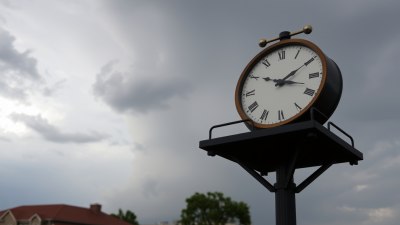
This image was created with the assistance of DALL·E
Spring does not arrive quietly.
It appears after winter with the energy of someone who knows they have behaved badly and would now like to make things right very quickly.
The light returns. The air softens. The ground begins to look less like a closed argument. Birds resume public announcements. Trees produce small green evidence that they have not, in fact, given up entirely. Everything seems designed to suggest renewal, forgiveness, and the possibility that maybe the worst is over.
This would be touching if spring could leave it there.
But spring cannot leave anything there.
The Apology Phase
At first, spring is careful.
It offers a mild afternoon. A patch of sun. A breeze that no longer feels legally hostile. The first signs are modest enough to be believable. You notice them with caution, the way one notices improved behavior from someone who has disappointed you before.
You do not trust it immediately.
Winter has made promises before through bright mornings and blue skies that still somehow felt like metal. So when spring begins, you treat it as provisional. You stand outside and think, this is nice, but you do not yet remove a layer.
That would be reckless.
Then It Starts Doing Too Much
Once spring realizes it has your attention, it becomes intense.
The sun stays out longer. The birds become louder. The ground starts producing things from every available surface. Trees begin operating on a schedule known only to themselves. Flowers appear in clusters, as if someone opened a storage room and everything fell out at once.
The whole season begins to feel less like recovery and more like overcorrection.
Winter gave you silence, darkness, and restraint. Spring responds with brightness, scent, pollen, movement, noise, growth, and several insects you were not emotionally prepared to see again.
It is not enough for spring to improve conditions.
Spring needs you to notice.
The Weather Cannot Commit
Spring has one major flaw: it wants credit for being warm without fully becoming warm.
It gives you a morning that suggests optimism, followed by an afternoon that encourages poor clothing decisions, followed by an evening that reminds you winter still has keys to the building.
This is why spring outfits are not outfits. They are negotiations.
You leave the house dressed for one season and return dressed for a different one, carrying evidence of several failed assumptions. Jacket on. Jacket off. Scarf unnecessary. Scarf urgently necessary. Sunglasses useful. Hands somehow cold. Shoes questionable. Hope misplaced.
Spring does not provide weather.
It provides a sequence of atmospheric arguments.
Nature Becomes Suspiciously Productive
During winter, nature appears to be on pause.
Everything is bare, low, quiet, and withdrawn. Then spring arrives and reveals that nothing was paused at all. It was preparing.
This is unsettling.
Plants begin growing with the efficiency of a system that has been waiting for authorization. Grass thickens. Buds open. Leaves unfold. Weeds appear in places where no formal invitation was issued. The entire outdoors transitions from dormant to busy with very little concern for whether anyone is ready.
Spring growth is beautiful, but it is also slightly aggressive.
It suggests that while you were indoors becoming tired of darkness, every root, seed, and branch was quietly planning a comeback.
The Birds Misread the Room
Birdsong is one of the classic signs of spring.
It is also one of spring’s clearest examples of overcommitment.
At first, the sound is welcome. A small melody in the morning. A reminder that the world has texture again. A sign that life is returning, which is generally considered positive.
Then the birds continue.
They begin earlier. They increase volume. They repeat themselves with confidence. They treat 5am as a public forum. Their enthusiasm has no obvious upper limit.
You may admire their seasonal purpose while still wondering whether the announcement needed to begin before you were conscious.
Spring does not bring quiet life back.
It brings life back with a microphone.
The Light Becomes Emotionally Demanding
Spring light is different from winter light.
Winter light is thin, brief, and often delivered at an angle that makes everything look like a memory. Spring light arrives with ambition. It fills rooms. It reveals dust. It exposes windows. It makes indoor spaces look suddenly unprepared for inspection.
This is another form of apology that becomes too much.
For months, darkness allowed certain domestic truths to remain vague. Then spring sunlight enters the room and points out every surface that has been quietly accumulating evidence.
The light is beautiful.
It is also accusatory.
Pollen Is Spring’s Fine Print
Every seasonal apology contains conditions.
Spring’s condition is pollen.
At first, you focus on the flowers, the leaves, the warmth, and the return of color. You enjoy the idea of nature waking up. Then your eyes begin to itch, your nose develops opinions, and the air itself becomes something your body needs to negotiate with.
Pollen is the part of spring that reminds you growth is not necessarily considerate.
The same trees and flowers that make the season beautiful also release microscopic material into the air with complete confidence that this is everyone’s problem now.
Spring gives you beauty, then asks your immune system to sign for it.
The Optimism Feels Compulsory
One strange cruelty of spring is that it expects you to improve with it.
As the days lengthen and the weather softens, there is an unspoken pressure to feel better, move more, become lighter, make plans, open windows, buy herbs, become the kind of person who notices blossoms without immediately thinking about responsibilities.
This can be difficult.
Your mood may not thaw on schedule. Your energy may not return at the same rate as the daylight. You may still feel like February internally while the outside world has already moved into decorative renewal.
Spring does not wait for emotional alignment.
It begins anyway.
The False Ending of Winter
Spring repeatedly suggests that winter is over before winter has fully left.
This is one of its most irresponsible habits.
A warm day arrives. People become brave. Coats disappear. Outdoor seating appears. Someone says, with tragic confidence, that this is it now.
Then the temperature drops.
Not dramatically enough to be interesting. Just enough to punish belief.
This is how spring maintains control. It offers progress, then reminds you that progress is not a straight line. It lets you imagine stability, then sends a cold wind through your optimism.
The season is not lying.
It is transitioning, which is somehow more annoying.
Why Spring Feels So Personal
Spring is not simply a change in weather.
It changes the emotional contract between you and the outside world. During winter, staying indoors feels justified. Low energy feels understandable. Darkness explains things. Cold provides an alibi.
Spring removes that alibi.
The world becomes available again, and availability can feel like pressure. The park is there. The light is there. The longer evening is there. The possibility of doing something is suddenly everywhere.
This is generous.
It is also inconvenient.
Spring does not just open the door.
It stands beside it, waiting for you to become someone who goes outside.
What Spring Is Actually Doing
Spring is not apologizing.
It is the result of Earth’s tilt, increasing solar energy, shifting air masses, warming soil, longer days, biological cycles, and the gradual release of everything winter held back.
It feels like an apology because it follows difficulty with softness.
It feels like overcommitment because many systems respond at once.
Light increases. Temperatures fluctuate. Plants grow. Animals become active. Weather patterns shift. Human expectations rise before conditions are stable enough to support them.
Spring is not trying too hard.
It is simply several forms of change arriving together and refusing to be subtle.
What You Can Do About It
You can enjoy spring cautiously.
This is the safest approach.
Accept the warm afternoon, but do not trust it with your entire wardrobe. Appreciate the flowers, but respect the pollen. Welcome the birds, but close the window if they begin making policy statements before sunrise. Sit in the sun, but remember that evening may still have unfinished winter business.
Spring is not a settled season.
It is a negotiation between what has ended and what has not quite begun.
It arrives like an apology because winter was long.
It overcommits because restraint is not how renewal works.
And every year, despite everything, you forgive it almost immediately.