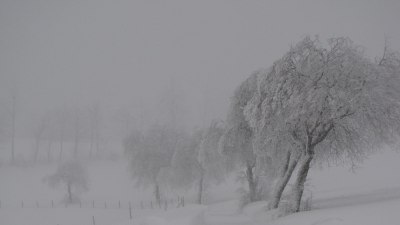
Storm Systems Are the Real-Time Plot Twists of Nature
Explore how storm systems act as nature's unpredictable plot twists, shaping weather and environment in real time.
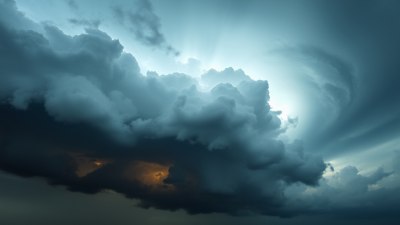
Storm systems are among the most dynamic and impactful phenomena that occur in Earth's atmosphere. They act like real-time plot twists in nature's ongoing narrative, introducing sudden changes that can alter weather patterns, environments, and even human activities. From gentle rain showers to violent hurricanes, storm systems display a broad range of behaviors that make them fascinating subjects of study for meteorologists and nature enthusiasts alike.
At their core, storm systems are organized areas of disturbed weather characterized by varying degrees of wind, precipitation, cloud cover, and atmospheric pressure changes. These systems can range in size from small, localized thunderstorms to massive extratropical cyclones stretching hundreds of miles. Their development, evolution, and impact depend on a complex interplay of atmospheric forces, temperature gradients, moisture content, and Earth's rotation.
The unpredictability of storm systems lends itself well to the analogy of plot twists in a story. Just as a sudden event can change the trajectory of a narrative, a storm system can abruptly shift weather conditions, creating challenges and new circumstances for ecosystems and human communities. This unpredictability arises from the inherent chaotic nature of the atmosphere, where tiny variations can amplify and lead to dramatically different outcomes over short periods.
Understanding the mechanics of how storm systems develop is essential to appreciating their role as nature's plot twists. Many storms begin as disturbances in air masses, where differences in temperature and humidity set the stage for lifting and cloud formation. For instance, a cold front moving into a warm, moist air mass can trigger thunderstorms as the cooler, denser air forces the warmer air upward, causing it to cool and condense.
This initial lifting mechanism often sparks a chain reaction. Updrafts within clouds promote condensation, releasing latent heat that fuels further rising motion and intensification of the storm. The process can evolve into organized systems such as tropical cyclones, which derive energy from warm ocean surfaces and rotation effects, sometimes escalating into hurricanes with destructive potential.
Midlatitude storm systems, or extratropical cyclones, operate differently but no less dramatically. They form along temperature fronts where contrasting air masses meet, such as cold polar air encountering warm tropical air. These boundaries create significant instability and wind shear, fostering cyclogenesis—the birth of a rotating storm system with a well-defined low-pressure center.
As these systems mature, they can spawn a variety of weather impacts: heavy rainfall, damaging winds, snow, tornadoes, and flooding. Their paths and intensities are influenced by upper-level atmospheric steering currents, sea surface temperatures, land interactions, and terrain. This intricate web of influences makes forecasting storm behavior a complex challenge, with models continually being refined to improve accuracy.
Technological advances have significantly improved scientists' ability to monitor storm systems in real time. Satellites provide high-resolution imagery and data on cloud formation, moisture levels, and temperature variations across broad areas. Doppler radar offers insights into precipitation intensity and wind velocity within storms, revealing internal structures that hint at potential severity.
These tools equip meteorologists with early warnings and actionable forecasts, allowing communities to prepare for impending storms and potentially mitigate damage. Nevertheless, the inherent complexity and variability of storm systems mean that surprises remain a constant possibility, much like unexpected twists in a thrilling story.
Storm systems also play a crucial role in Earth's overall climate regulation and water cycle. By redistributing heat and moisture across regions, they help maintain planetary equilibrium. Rainfall from storms replenishes freshwater supplies, supports agriculture, and sustains ecosystems. Conversely, intense storms can cause disruptions and hazards that require adaptation and resilience efforts.
One striking example of storm systems functioning as natural plot twists is the sudden shift in weather that can occur ahead of a hurricane. Coastal areas may experience calm, sunny conditions only hours before a rapid onset of high winds and torrential rain. This swift change underscores how quickly nature can alter its course, emphasizing the importance of vigilance and respect for storm dynamics.
Beyond their meteorological impacts, storm systems often inspire human cultural narratives and symbolism. Historically, societies have interpreted storms as manifestations of divine power, omens, or natural tests. Literature, art, and music frequently evoke storms to represent turmoil, transformation, or cleansing, reflecting humanity's deep emotional response to these dramatic natural events.
In contemporary times, the study of storm systems also intersects with environmental concerns such as climate change. Rising global temperatures influence ocean heat content and atmospheric moisture, factors that can intensify some types of storms. Increased storm frequency and severity pose challenges for infrastructure, disaster preparedness, and ecological balance, prompting ongoing research into mitigation and adaptation strategies.
Education about storm systems is vital for fostering informed communities capable of responding effectively to weather hazards. Public awareness campaigns, school programs, and scientific outreach initiatives aim to demystify storm phenomena and promote proactive safety measures.
From safety protocols during severe thunderstorms to evacuation planning for hurricanes, the human relationship with storm systems involves both respect for their power and a drive to coexist with nature's variability. This dynamic relationship highlights society's role not as masters over nature, but as participants in an intricate ecological narrative full of twists and turns.
Moreover, scientists continuously seek to improve forecasting models by incorporating more precise data, refining algorithms, and exploring new technologies such as drones for in-situ measurements. These advancements aim to reduce uncertainties and provide earlier warnings, potentially saving lives and property.
The metaphor of storm systems as real-time plot twists emphasizes their role in reshaping environmental conditions abruptly and often unpredictably. Their capacity to alter weather, impact natural systems, and affect human lives underscores their significance in Earth's atmospheric theater.
Throughout history, these compelling storm stories have fascinated humanity, driving scientific inquiry and cultural expression alike. As our understanding deepens, we gain not only practical benefits in hazard management but also a richer appreciation of the profound, dynamic processes shaping our world.
In conclusion, recognizing storm systems as nature’s unfolding narratives filled with sudden turns accentuates the importance of observing, studying, and coexisting with these atmospheric phenomena. The challenge lies in preparing for and adapting to these natural twists while continuing to unravel the complex scripts that govern their behavior.
Storm systems are indeed the real-time plot twists of nature, endlessly engaging and reminding us of the power and unpredictability inherent in the atmosphere above.