Why Everyone Suddenly Remembers They Like Walking
Explore why walking has surged in popularity as a preferred activity across all ages and lifestyles.
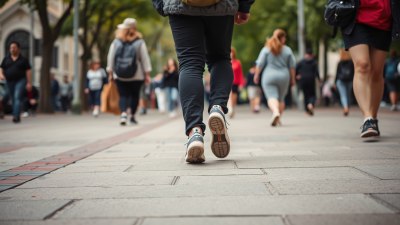
In recent years, there has been a noticeable resurgence of interest in walking as a favored pastime and form of exercise. This sudden collective reminder of the simple joy of putting one foot in front of the other is reshaping lifestyles and urban culture alike.
Walking has always been a fundamental human activity, yet for much of the modern era, it was overshadowed by motorized transport and sedentary leisure pursuits. However, a growing awareness of health, environment, and mindfulness is prompting more people to reconnect with walking, not only as a mode of transportation but also as a purposeful, enjoyable act.
The Health Benefits Driving the Revival
Scientific research continually supports walking as one of the most accessible and effective forms of exercise. It removes barriers such as cost, skill level, and access to equipment, making it an inclusive activity. Walking improves cardiovascular health, strengthens muscles, enhances bone density, and aids in weight management. Furthermore, it lowers the risk of chronic diseases like type 2 diabetes, hypertension, and some cancers.
The mental health benefits associated with walking are profound. Studies show that walking, especially in natural environments, reduces stress, combats depression, and improves mood by releasing endorphins. In the age of increasing screen time and remote work, walking offers a necessary break that reconnects individuals with their surroundings and their own physicality.
Walking as a Mindful Practice
Beyond physical health, walking is increasingly embraced as a method of mindfulness and meditation. It encourages individuals to pay attention to their breath, steps, and environment, grounding them in the present moment. The rhythm of walking can create a meditative state, making it a low-barrier activity to integrate into daily life for mental clarity and emotional balance.
Many urban dwellers are discovering that walking provides opportunities for reflection and creativity. Writers, artists, and thinkers have historically valued walking as a way to stimulate ideas, with figures such as Charles Dickens and Henry David Thoreau famously walking long distances in pursuit of inspiration.
The Environmental and Societal Shifts Encouraging Walking
Environmental concerns are also influencing more people to choose walking over driving. Reducing carbon emissions and traffic congestion align with broader societal goals of sustainability. Cities around the world are investing in pedestrian-friendly infrastructure, such as expanded sidewalks, greenways, and traffic-calming measures, making walking safer and more pleasant.
The COVID-19 pandemic accelerated this trend by limiting access to gyms and promoting outdoor activity as a safer option. Neighborhood walks became a daily routine that brought comfort and connection during isolation. This adaptation has endured, with many continuing to prioritize walking for wellness and social interaction.
Technological Tools Supporting Walking Habits
Modern technology paradoxically supports more walking through fitness trackers, smartphone apps, and online communities that encourage step challenges and exploration. Tracking progress and sharing achievements motivates individuals to maintain and increase their walking activity, creating a sense of accountability and community.
Apps that map walking routes and highlight points of interest also enrich the experience by turning ordinary walks into adventures or opportunities to learn about local history, nature, and culture.
The Social Dimension of Walking
Walking has reemerged as a social catalyst, facilitating connection in ways that structured activities or digital interaction cannot replicate. Group walks, walking clubs, charity walks, and community events promote socialization across age groups and demographics. This shared experience fosters belonging and supports mental health through positive social engagement.
Communities that prioritize walkability often report stronger social bonds and a higher quality of life. Neighborhoods designed for pedestrians facilitate spontaneous interactions and create safer, more vibrant environments.
Walking and Urban Planning
The design of cities greatly impacts walking habits. Urban planners now prioritize pedestrian-friendly developments, integrating mixed-use neighborhoods where amenities and services are accessible by foot. This approach reduces car dependency, promotes healthier lifestyles, and supports local economies.
Transit-oriented developments with emphasis on walkable streets encourage residents to adopt walking as their default mode of transportation for short trips, improving sustainability and lowering the burden of traffic and pollution.
Inclusivity and Accessibility in Walking
The rise in walking popularity is accompanied by initiatives to ensure that walking spaces are inclusive and accessible to people of all ages and abilities. Cities are implementing features such as level sidewalks, ramps, resting places, and clear signage to accommodate seniors and persons with disabilities.
Encouraging walking among diverse populations requires addressing barriers related to safety, lighting, and maintenance to make pedestrian spaces comfortable and secure for everyone.
The Economic Impact of Embracing Walking
Walking-friendly communities can experience positive economic effects. Increased foot traffic benefits local businesses such as cafes, shops, and markets. Moreover, streets designed for pedestrians often attract tourism, contributing to local economies.
Investments in pedestrian infrastructure have been shown to create jobs and stimulate economic activity, highlighting walking’s role beyond health and environment as a driver of economic development.
Walking as an Adventure and Exploration
Many individuals are embracing walking as an opportunity to explore their environment anew. Urban walks uncover hidden aspects of cities, while rural trails provide immersion in nature. Long-distance walking trails, pilgrimage paths, and walking tours offer purposeful adventure that combines physical challenge and cultural enrichment.
This perspective expands walking from a mundane task to an enriching experience that cultivates curiosity and appreciation for local heritage and biodiversity.
Walking for All Generations
Walking appeals to people of all ages, from children learning to explore their environment safely to older adults maintaining mobility and independence. Programs designed to engage different age groups promote lifelong habits and intergenerational connections through shared walking activities.
Schools integrating walking into curricula through walking-to-school initiatives or nature walks improve children's health, focus, and social skills, while seniors participating in walking groups improve fitness and reduce isolation.
The Psychological Shift Toward Simplicity
The renewed enthusiasm for walking reflects a broader cultural shift toward valuing simplicity and intentional living. In a society often overwhelmed by technology and rapid pace, walking represents a return to basics, offering a way to slow down and experience life more fully.
This shift encourages people to find happiness and fulfillment in the ordinary, embracing authenticity over complexity.
Walking as a Tool for Social Change
Walking has also been utilized as a powerful medium for social activism and awareness-raising. Walks and marches bring visibility to causes, allow communities to express solidarity, and foster collective empowerment.
Events like charity walks or awareness campaigns combine physical activity with social purpose, illustrating how walking can mobilize change beyond personal health.
Challenges and Limitations
Despite its many benefits, walking as a popular activity faces challenges. Urban sprawl, car-centric infrastructure, and safety concerns can discourage walking, especially in underserved communities. Weather conditions and physical limitations also affect participation.
Addressing these challenges requires coordinated policy efforts, investment, and community engagement to create supportive environments that make walking viable and attractive for all.
The Future of Walking
Looking forward, walking is poised to remain central in health, urban design, and culture. Innovations in technology, greener urban planning, and heightened health consciousness are converging to sustain this trend.
As society continues to recognize the intrinsic and practical value of walking, it will likely become a cornerstone of personal well-being and community vitality in the decades to come.
In the end, the widespread rediscovery of walking underscores a timeless human truth: the simplest actions often provide the greatest benefits. Embracing walking reconnects us with our bodies, our environments, and each other, forging paths toward healthier, happier lives.