What Happens When Cold Air Traps Warm Air and Everyone Suffers Quietly
Explore the phenomena of temperature inversion where cold air traps warm air, causing silent yet harmful effects on air quality and health.
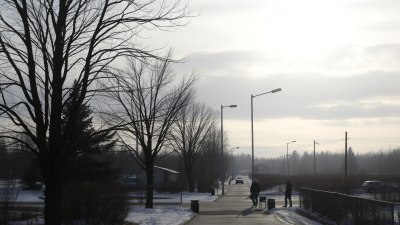
Atmospheric conditions often seem straightforward: warm air rises, cold air sinks, and the air around us shifts constantly. However, under certain circumstances, this simple dynamic reverses, leading to a phenomenon known as temperature inversion. When cold air traps warm air beneath it, the consequences can ripple through the environment and human health quietly but significantly. This article delves into what happens when cold air traps warm air, how it impacts communities, and why the suffering tends to be silent yet profound.
Understanding Temperature Inversion
Temperature inversion occurs when a layer of cooler air settles near the ground with a layer of warmer air above it, preventing the typical upward movement of air. Normally, the sun heats the Earth's surface, warming the air close to the ground. This warm air rises, and as it ascends, it cools and disperses pollutants. However, during a temperature inversion, a layer of cold air becomes trapped beneath warmer air, acting like a lid and obstructing this natural ventilation process.
This meteorological phenomenon is most common during clear nights with calm winds, often in valleys or basins where cold air descends and settles. The inversion can last from several hours to several days depending on weather patterns. While it may seem like a subtle atmospheric quirk, the effects it carries are far from benign.
How Cold Air Traps Warm Air
The process begins typically after sunset when the Earth's surface loses heat rapidly, cooling the air just above it. Cold air, being denser, flows down slopes and collects in low-lying areas, while warmer air floats above it. This configuration creates a temperature gradient where the air near the ground is cooler than the air above it, the opposite of the usual state. Since warm air is lighter, the cooler air beneath acts as a barrier, preventing the warmer air from rising and mixing with the atmosphere.
This stable layer restricts vertical air movement, effectively trapping warmer pollution-laden air close to the surface. Because the air cannot ascend, pollutants like vehicle exhaust, industrial emissions, smoke, and dust accumulate, degrading air quality dramatically over time.
Environmental and Health Impacts
One of the major consequences of temperature inversion is a sharp decline in air quality. Pollutants such as fine particulate matter (PM2.5), nitrogen oxides, carbon monoxide, and volatile organic compounds concentrate near ground level. When inhaled, these contaminants can infiltrate deep into the lungs and even enter the bloodstream, exacerbating respiratory and cardiovascular diseases.
Populations most at risk include young children, the elderly, people with asthma or chronic bronchitis, and those with preexisting heart diseases. Symptoms may range from coughing, wheezing, and shortness of breath to more severe events such as heart attacks or strokes. Unfortunately, these health effects often manifest gradually, leading to silent suffering as individuals may not immediately connect their problems to pollution levels.
Real-World Examples of Temperature Inversion Effects
Many urban areas situated in valleys or near mountains report frequent air quality issues linked to temperature inversions. Cities like Los Angeles, Mexico City, and Beijing have recorded hazardous smog episodes resulting from trapped warm air beneath cold layers. During these times, visibility drops dramatically and hospitals see a spike in admissions related to respiratory and cardiovascular problems.
In 1952, London experienced a severe inversion event known as the Great Smog, where a cold weather episode trapped pollutants from coal burning. The smog lasted several days, leading to thousands of deaths due to respiratory failure. This tragic case highlights how inversions can turn a normal pollution event into a deadly crisis.
Factors That Exacerbate the Problem
Human activities are a critical factor exacerbating the problems caused by temperature inversions. Increased vehicle emissions, unchecked industrial activity, and residential heating using fossil fuels all add layers of contaminants to the trapped warm air. Additionally, urban sprawl often concentrates populations and pollution sources in areas prone to inversion, amplifying exposure risk.
Geography plays a vital role too. Valleys bordered by mountains create natural bowls where cold air accumulates. Calm winds and cloudless nights facilitate long-lasting inversion layers. Without wind to disperse pollutants or clouds to trap heat and prevent rapid cooling, these conditions become perfect for traps of warm air laden with pollution.
How Temperature Inversions Are Monitored
Modern meteorological tools allow scientists to identify and monitor temperature inversions. Weather balloons, remote sensing technologies, and satellite observations provide vertical temperature profiles of the atmosphere. These tools help forecast inversion layers so authorities can issue air quality alerts and warnings.
Ground-based air quality monitoring stations track pollutant concentrations in real-time, offering data to assess risk levels. When inversion conditions align with dangerous pollutant levels, governments may implement emergency measures to reduce emissions, such as restricting vehicle use or industrial activity until conditions improve.
Community Responses and Mitigation Strategies
Addressing the impacts of cold air trapping warm air requires both short-term responses and long-term strategies. During inversion episodes, communities often enact temporary measures like carpooling promotions, transit incentives, or industrial restrictions to reduce emissions. Public health advisories encourage vulnerable individuals to stay indoors and limit outdoor physical activity.
Long-term mitigation focuses on reducing overall pollution and enhancing urban planning to minimize inversion risks. Policies promoting clean energy, tighter vehicle emission standards, and urban greening can improve air quality. Enhanced building designs and green spaces help in dissipating heat and promoting air circulation.
Technological Innovations to Combat Inversions
Advances in technology provide hope for mitigating the silent epidemic caused by trapped warm air. Electric and hybrid vehicles reduce emissions at the source, while renewable energy production cuts reliance on fossil fuels.
Air purification technologies are increasingly used in schools, hospitals, and homes to protect vulnerable populations during inversion events. For instance, HEPA filters and indoor air quality monitors can help reduce exposure to harmful pollutants trapped near the surface.
Raising Awareness About Invisible Suffering
One of the critical challenges with temperature inversion is public awareness. The air may look clear, and the weather calm, yet invisible pollutants silently worsen health for many. Education campaigns focusing on recognizing inversion events and understanding air quality indices can empower communities to take preventive actions.
Enhanced air quality alerts, smartphone applications, and media campaigns play key roles in informing the public about when to reduce outdoor exposure. Schools and workplaces can adopt policies accommodating sensitive individuals during high-risk days.
The Role of Climate Change
Emerging research suggests climate change may influence the frequency and intensity of temperature inversions. Changes in weather patterns, temperature extremes, and humidity alter atmospheric stability potentially increasing the occurrence and duration of inversion events in some regions.
This possibility highlights the urgent need for integrated climate and air quality strategies to protect public health over the coming decades. Reducing greenhouse gas emissions may not only mitigate climate impacts but also lessen inversion-related air pollution issues.
A Global Issue With Local Solutions
Though temperature inversion is primarily a meteorological event, its consequences are deeply localized. Different regions experience inversions differently based on geography, urban development, and pollution sources. Therefore, solutions must be tailored to specific conditions with communities actively participating in policy design and implementation.
Lessons from cities that have successfully reduced inversion severity through policy reform, public engagement, and technology adoption provide a roadmap. Collaboration between governments, scientists, businesses, and citizens is paramount in addressing the quiet suffering caused by trapped warm air.
Living With Awareness and Preparedness
Understanding temperature inversion empowers individuals to protect their health. Simple actions such as staying indoors on poor air quality days, using air purifiers, and advocating for cleaner transportation can collectively improve outcomes. Awareness also drives demand for cleaner energy and sustainable urban planning that reduce inversion hazards.
Communities must embrace both scientific knowledge and proactive measures to transform silent suffering into informed action. The invisible trap of cold air holding warm, polluted air may feel unavoidable, but with concerted effort, its toll can be significantly diminished.