What Causes That Fresh Smell After Rain
Discover the science behind the fresh smell after rain and what elements contribute to this delightful scent.

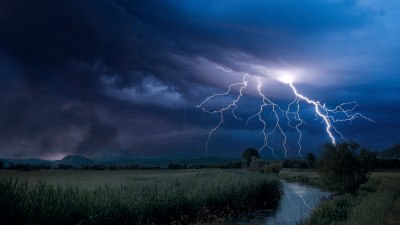
Image by kroshka__nastya on Freepik
The fresh smell that fills the air after a rain shower is often referred to as 'petrichor.' This delightful aroma is a unique combination of several elements, primarily the oils released from plants, compounds from soil, and other naturally occurring substances. In this article, we will delve into the reasons behind this invigorating scent, exploring the various components that contribute to the smell of rain and how they interact with our environment.
Understanding Petrichor
Petrichor is a term coined in the 1960s by two Australian researchers, Isabel Joy Bear and Richard Thomas. They identified specific compounds responsible for the earthy aroma associated with rain. Petrichor is primarily caused by the release of plant oils into the atmosphere during and after rainy weather. These oils, which have been produced by plants over time, are released when raindrops hit the ground and create a phenomenon known as 'aerosolization.'
The Role of Soil
Soil plays an essential role in the creation of the fresh smell after rain. When rain falls, it disturbs the soil and causes tiny particles of dirt and organic matter to be released into the air. This release includes a group of compounds called geosmin, a product created by bacteria found in the soil. Geosmin, which has a distinct earthy scent, is particularly potent and can easily be detected by the human nose, even in small quantities.
Geosmin: The Earthy Compound
Geosmin is a bicyclic compound that possesses an earthy odor, reminiscent of a freshly turned garden. Its presence in the soil varies depending on the microbial activity and the types of bacteria present. Actinobacteria, in particular, are significant contributors to geosmin production. When rain falls on dry soil, these bacteria are disturbed, releasing geosmin into the air. This is one reason why the smell of rain is particularly strong after a prolonged dry spell.
The Influence of Temperature and Humidity
Several climatic factors influence the perception of the fresh smell after rain. Temperature and humidity play a crucial role in how we perceive scents. Warmer temperatures can help volatilize the compounds responsible for that fresh smell, making them more noticeable to our senses. Additionally, high humidity levels during or after rain can enhance the intensity of the aromas released, amplifying the overall experience.
Oils from Vegetation
Along with the compounds released from soil, the oils secreted by plants contribute significantly to the fresh smell of rain. During dry periods, plants release these oils into the atmosphere to help retain moisture. When it rains, the moisture acts as a means to disperse these oils into the air more effectively. This mixture of plant oils and geosmin creates the unique scent that many associate with the cleanliness and freshness of rain.
The Psychological Effect
There is also a psychological aspect to the appreciation of the fresh smell after rain. Many people find this scent comforting and refreshing because it often signifies a cool change in weather, the end of a hot day, or the rejuvenation of the earth. These associations can evoke feelings of nostalgia and calmness, making the experience of smelling petrichor even more enjoyable.
Benefits of Petrichor
The scent of petrichor has been connected to various benefits for both humans and the environment. For instance, research suggests that the aroma can enhance mood, reduce stress, and create a sense of well-being. In a broader ecological context, the smell of rain often indicates that the environment is receiving much-needed moisture, which can benefit plant life, agricultural practices, and overall ecological health.
Why Some People Dislike the Smell
While many adore the scent of petrichor, it is essential to note that not everyone shares this preference. Some individuals may find the smell unpleasant or even overwhelming. This aversion can be attributed to a variety of factors, including personal experiences, cultural differences, or even genetic variations in the sensitivity to certain compounds.
Recreating the Smell of Rain
For those who wish to replicate the smell of fresh rain, several fragrance products are available that aim to capture the essence of petrichor. Many perfumes, candles, and essential oils utilize synthetic or natural compounds to mimic this beloved scent. This ability to bring the smell of rain indoors has become a popular trend, proving that the allure of petrichor is not limited to those moments immediately following a rain shower.
Conclusion
The fresh smell after rain is a beautiful synthesis of natural compounds released from both soil and plants. From geosmin to plant oils, each element plays its part in creating the delightful scent that many find comforting and revitalizing. Understanding the science behind this phenomenon adds another layer of appreciation for the wonders of nature. The next time you step outside after a rain shower, take a moment to inhale deeply and enjoy the complex aromas around you—the fresh smell is not just a treat for the senses, but a testament to the beauty of our environment.