What Causes Diamond Dust and Why It’s Technically Not Magic
Explore the fascinating science behind diamond dust, a shimmering atmospheric phenomenon often mistaken for magic or snow.
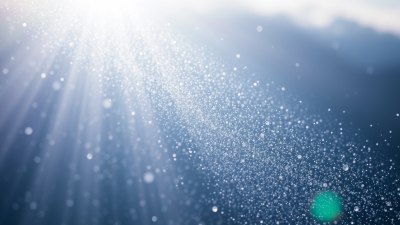
Diamond dust is a mesmerizing atmospheric phenomenon that enchants many with its shimmering, sparkling appearance, often resembling tiny diamonds floating in the air. This glittering spectacle frequently captures the imagination, leading some to believe it’s a magical or mystical occurrence. In reality, diamond dust is a natural meteorological event caused by specific atmospheric conditions involving ice crystals, and its beauty is rooted firmly in physics, not fantasy.
Understanding diamond dust requires delving into the science of ice crystal formation, atmospheric conditions, and the interaction of light with these microscopic structures. Although it may seem ethereal and otherworldly, diamond dust is entirely explainable through meteorology and optical phenomena. This article will unravel the mysteries behind diamond dust by exploring what it is, how it forms, where and when it occurs, and why it exhibits such a dazzling display.
What Is Diamond Dust?
Diamond dust, sometimes called ground-level ice crystals, is composed of tiny, flat, hexagonal ice crystals suspended in the air near the Earth's surface. These ice crystals are sharp and reflective, causing incoming sunlight or artificial light to scatter and glint, creating a sparkling, jewel-like effect. Unlike snowflakes, which fall from clouds, diamond dust is usually static or drifts gently and forms in clear, cold calm conditions.
The term “diamond dust” is often used interchangeably with “ice crystals” but specifically refers to these sparkling ice crystals close to the ground. Its glittering nature is what sets it apart from other frozen precipitation forms, giving the illusion of a cloud of diamonds dancing near the surface of frozen landscapes.
The Science Behind Formation
The formation of diamond dust hinges primarily on subfreezing temperatures and extremely clear, calm weather conditions. It typically occurs in polar regions and during cold snaps in temperate zones. Pouring moisture into the atmosphere creates ice crystals when the temperature is well below the freezing point, but unlike snow, diamond dust forms directly from water vapor through deposition, bypassing the liquid phase.
This process of deposition happens when water vapor in the air sublimates—transforms directly from gas to solid ice—onto tiny particles or even spontaneously when conditions are just right. The atmosphere must be nearly cloudless and free of turbulence, allowing fragile ice crystals to remain suspended near the ground. Diamond dust often forms under high-pressure systems where the air is stable, cold, and dry, creating the perfect environment for ice crystals to develop and glitter intensely.
Atmospheric Conditions Required for Diamond Dust
Several critical atmospheric factors are necessary for diamond dust to form:
- Clear Skies: Diamond dust typically appears under clear or nearly clear skies, ensuring abundant sunlight or ambient light to produce the sparkling effect.
- Extremely Cold Temperatures: Sustained temperatures well below freezing (often below -20°C or -4°F) enable direct deposition of water vapor into ice crystals.
- Calm or Light Winds: Minimal air movement allows delicate ice crystals to remain suspended near the surface rather than blowing away or evaporating.
- Low Humidity: While moisture is necessary, humidity levels are generally low to moderate, preventing typical cloud formation but enabling ice crystal deposition.
The interplay between these factors creates an environment distinct from typical snow storms or fog, leading to diamond dust's characteristic subtle, sparkling presence.
Where and When Does Diamond Dust Occur?
Diamond dust is more common in polar and high-altitude regions, appearing frequently in places like Antarctica, Greenland, Alaska, Canada, and Siberia during the winter months. The cold, dry, stable atmosphere prevalent in these environments makes them ideal hotbeds for diamond dust production.
That said, diamond dust can occasionally be spotted in temperate climates when the conditions align perfectly—extreme cold, calm winds, and clear skies after a frigid night, for example. Mountainous regions are also conducive environments due to their lower temperatures and thinner atmosphere.
Timing tends to be around sunrise or sunset when the low sun angle causes scattered light to interact spectacularly with the ice crystals. This interaction intensifies the sparkling effect, sometimes resulting in optical phenomena like halos and sundogs, further enchanting observers.
Diamond Dust and Optical Phenomena
Ice crystals that make up diamond dust are not only responsible for the sparkling effect but can also create fascinating optical phenomena. The shape, orientation, and size of these ice crystals cause light to refract and reflect in various ways, sometimes producing halos around the sun or moon, light pillars, and sundogs (bright spots flanking the sun).
The hexagonal plates often align horizontally, bending sunlight at precise angles and creating these well-documented atmospheric optics. The clarity and stability of the conditions often allow these phenomena to be vivid and long-lasting compared to more turbulent weather patterns.
These optical effects enhance the mystical appearance of diamond dust, contributing to beliefs that it is something magical or supernatural, although they are all explainable through physics and meteorology.
How Diamond Dust Differs from Snow and Fog
While diamond dust shares some similarities with snow and fog, it is distinct in both formation and appearance:
- Snow: Snow forms as ice crystals aggregate and fall from clouds through the atmosphere, accumulating on the ground. Diamond dust does not aggregate or fall in the same way; it remains suspended as isolated crystals near the ground.
- Fog: Fog consists of tiny liquid water droplets suspended in the air, reducing visibility. Diamond dust is composed of solid ice crystals and may improve visibility by reflecting light.
These differences highlight diamond dust’s unique formation as a ground-level ice crystal phenomenon, separate from typical precipitation and meteorological events.
Common Misconceptions and Cultural Interpretations
Due to its ethereal and sparkling nature, diamond dust has inspired myths, folklore, and even superstition. Some cultures have viewed it as fairy dust, signs from spirits, or magical enchantments. The glimmering effect in otherwise harsh conditions lends itself to storytelling centered on wonder and mystery.
Scientifically, however, diamond dust is a natural, explainable atmospheric occurrence. Education and awareness about the meteorological principles behind its formation help demystify it without diminishing its beauty.
Safety Considerations Related to Diamond Dust
While diamond dust itself poses no danger, it often indicates extremely cold, calm weather conditions that can be hazardous. Black ice formation, frostbite risk, and hypothermia are concerns during diamond dust events due to the associated frigid temperatures.
Travellers and outdoor enthusiasts should be cautious during diamond dust displays by dressing appropriately and avoiding icy surfaces. Recognizing diamond dust can also serve as an indicator of stable but freezing conditions, helping with weather prediction and preparedness.
Diamond Dust’s Role in Climate and Environmental Studies
Scientists study diamond dust and ground-level ice crystals to better understand polar climates and microphysical processes within the atmosphere. The formation and persistence of diamond dust help provide insight into moisture transport, heat exchanges, and radiative properties of cold, clear atmospheres.
Research in this area contributes to improved climate models, especially for polar regions where such phenomena are common and where climate change impacts are significant. Understanding how diamond dust and associated ice crystals interact with sunlight informs predictions about surface temperatures, albedo effects, and atmospheric dynamics.
Observing and Photographing Diamond Dust
Diamond dust offers photographers a unique opportunity to capture nature's sparkling artwork. To get the best shots, one needs to find crisp, cold locations during the right conditions—clear skies and calm air at subfreezing temperatures.
Photographers often use natural or artificial light sources like streetlights, flashlights, or the sun's low rays to highlight the glittering ice crystals. Macro lenses can capture individual ice crystals, while wide-angle shots reveal the larger diamond dust cloud sparkling over icy landscapes.
Patience and timing are crucial because diamond dust conditions can be fleeting. Early morning or late afternoon light tends to reveal the most dramatic glisten.
Summary of Key Points about Diamond Dust
Diamond dust is a natural atmospheric phenomenon comprising tiny ice crystals formed near the ground under very cold, clear, and calm conditions. It appears as sparkling, glittering particles that scatter light, often mistaken as magic or mystical dust.
Its formation involves the deposition of water vapor directly into ice crystals in the absence of clouds or falling snow. The atmospheric stability, temperature, humidity, and light interaction create conditions perfect for this dazzling display.
Common in polar regions but also happening in temperate zones during extreme cold snaps, diamond dust enhances the complexity and beauty of Earth's weather systems while offering insight into atmospheric science and optics.
Though enchanting enough to inspire myths, diamond dust is firmly grounded in the laws of physics, illustrating nature’s capacity to create breathtaking phenomena without magic.
The study and observation of diamond dust contribute not only to our aesthetic appreciation of the natural world but also to environmental science and climatology, highlighting the importance of understanding even the most delicate of atmospheric processes.