The Real Reason Dry Snow Makes Zero Snowballs
Explore why dry snow resists forming snowballs, uncovering the science and environmental factors behind this winter phenomenon.
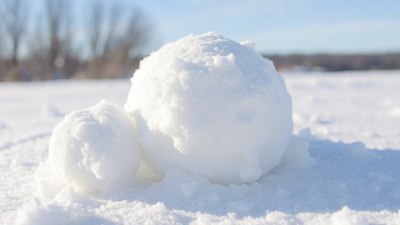
Image created with Flux Schnell
Snowball fights, one of the quintessential winter activities, depend heavily on the quality of the snow. Anyone who has ventured outside on a crisp winter's day knows that not all snow is equal when it comes to packing it into a snowball. Particularly, dry snow seems to defy our attempts to gather it into cohesive spheres, instead crumbling through our fingers. But why exactly does dry snow make zero snowballs? This phenomenon is not just a whimsical frustration but a reflection of interesting physical and environmental principles at play.
Understanding Snowflake Structure and Composition
At its core, snow is composed of countless tiny ice crystals that have formed in the atmosphere under specific temperature and humidity conditions. These snowflakes have unique, intricate patterns and shapes, often hexagonal, due to the way water molecules bond in solid form. When snow falls to the ground, these individual flakes accumulate with air trapped in between, forming the fluffy white blanket we recognize.
The properties of this layer of snow depend heavily on weather conditions during and after snowfall. Temperature fluctuations, humidity, wind, and sunlight all alter the snowpack's texture and cohesiveness. Crucially, the ability to pack snow into a snowball depends on the moisture content and melting behavior of the snow crystals.
The Role of Moisture in Snowball Formation
Wet snow or snow that contains a higher moisture content is generally more conducive to forming snowballs. When snowflakes begin to partially melt and freeze together slightly, the thin layers of liquid water between them act as natural adhesive agents. This thin film of water enables the flakes to bond tightly when compressed, creating a cohesive, moldable mass.
In contrast, dry snow has minimal liquid water present, which limits its ability to bond. The particles remain largely separate, so when compressed, they don't stick together but instead fall apart. This explains why powdery, dry snow is excellent for skiing and snowboarding due to its lightness and lack of clumping but poor for traditional snowball fights.
Temperature Thresholds That Affect Snow Quality
Temperature plays a pivotal role in determining whether snow is dry or wet. Snow that falls when air temperatures are well below freezing tends to remain dry and powdery. This is because the snowflakes do not partially melt upon landing and retain their crystalline structure without additional moisture.
However, when temperatures hover near the freezing point (around 0 degrees Celsius or 32 degrees Fahrenheit), some melting occurs on the surface of snow crystals. This melting creates the thin liquid layers necessary for the snow to stick together effectively, making it ideal for building snowmen and forming snowballs.
These temperature differences illustrate why snowball fights are sometimes a challenge early in winter or late in spring, but usually more successful mid-winter when conditions are just right.
Impacts of Air Humidity and Snow Crystal Changes
Humidity affects snow cohesion as well. Higher humidity increases water vapor levels, which influences snowflake growth and the likelihood of surface melting. In higher humidity, the snow crystals may bond more readily, enhancing their packability.
Moreover, as snow settles over time, processes like sintering occur. Sintering is a natural metamorphosis where snow crystals gradually bond at their points of contact through diffusion, even without melting. Though this strengthens the snowpack and can improve cohesion, sintered snow can still be dry internally and less optimal for snowball making compared to freshly fallen wetter snow.
The Science Behind Snow Crystals’ Adhesion Mechanics
On a microscopic level, the adhesion between snowflakes is governed by physics of ice and water interfaces. When snowflakes are pressed together, the pressure may induce partial melting at the contact points due to localized temperature rise, generating a thin water film that refreezes to create a solid bond.
This phenomenon is an example of regelation, a process critical in glaciology as well, explaining how glaciers flow despite being composed of solid ice. In the context of snowballs, if the snow is too cold – and thus dry – the necessary melting and refreezing cycle does not occur, so flakes cannot adhere properly.
Environmental and Practical Implications
Understanding why dry snow doesn't form snowballs has practical relevance beyond winter fun. For example, the snowpack stability affects avalanche risk, where dry, loose snow layers may slide more easily. Additionally, the behavior of snow informs winter sports equipment design and safety, as skiing on dry powder snow differs drastically from skiing on wet, packed snow.
Furthermore, weather prediction models and climate studies benefit from examining snow cohesion properties. Changes in temperature patterns and humidity due to climate change could alter typical snow characteristics, affecting ecosystems, water supply through snowmelt, and winter recreational activities.
How to Make Snowballs in Dry Conditions
Though challenging, forming snowballs with dry snow is not impossible. One method involves slightly warming the snow by compressing it tightly, which can generate enough heat for partial melting at contact points. Using gloves or buckets to compress and shape the snow can concentrate pressure and warmth.
Another trick is to combine dry snow with some moisture added artificially. Lightly sprinkling water over powder snow can increase its adhesive properties, although this requires access to water during winter. Alternatively, waiting for a warmer day with slightly higher humidity naturally improves snow packability.
Cultural Views and Snowball Traditions
The act of forming snowballs has cultural significance in many societies with snowy winters. It is a symbol of childhood play and communal fun. Recognizing the science behind snow qualities enriches our appreciation for these seasonal customs and helps anticipate when snowball fights are possible.
Different regions may nickname the powdery, non-snowball-making snow by various terms, often highlighting its purity and perfect skiing qualities rather than its packing failures. Understanding the local snow type is part of regional winter lore.
In summary, the inability of dry snow to form snowballs hinges on several interconnected factors. Low temperatures keep snowflakes rigid and dry, lacking the liquid water films needed for adhesion. Low humidity contributes to this dryness, preventing melting and bonding. The microphysics of ice adhesion require slight melting and refreezing, available in wetter snow packs but absent in powdery, dry snow.
Environmental influences such as sintering over time can enhance cohesion, but fresh dry snow remains mostly uncooperative for snowball making. Practical measures like manual warming or moisture addition can create exceptions to these rules.
Ultimately, understanding why dry snow makes zero snowballs invites us to explore the fascinating interplay between physics, weather, and human experience in winter.