The Mystery of Snow That Melts Everywhere Except Where You Want It
Explore the fascinating reasons why snow melts unevenly, defying expectations and sticking where you least want it.

Image created with Flux Schnell
Snow is a natural marvel that enchants us with its pristine beauty and transformative power. It blankets landscapes, turning ordinary scenes into winter wonderlands. Yet, anyone who has experienced snow knows there’s a perplexing mystery about how it melts. Often, snow seems to vanish effortlessly from places where you'd prefer it to stay, while stubbornly clinging on stubbornly in spots you wish would thaw. This odd behavior raises the question: why does snow melt everywhere except where you want it to?
Understanding this enigmatic phenomenon requires a dive into the physics of snow, environmental factors influencing its melting, and human impacts on its behavior. Snow doesn’t simply melt uniformly just because the air temperature crosses the freezing point. Instead, several subtle and complex mechanisms govern this process, creating scenarios where melt patterns become unpredictable.
Physical Properties of Snow and Melting
Snow consists of tiny ice crystals formed when water vapor freezes in the atmosphere. These crystals aggregate to form the snowflakes that drift to the ground. Once deposited, snow behaves as a porous insulating layer with interesting thermal properties. The rate at which snow melts depends on heat transfer into the snowpack, which is shaped by temperature, sunlight, wind, humidity, and the snow's own characteristics such as density and grain size.
Heat transfer happens mainly by conduction, convection, radiation, and sometimes latent heat exchange when phase changes occur between ice, water, and vapor. For snow to melt, energy must be absorbed to raise the temperature of the snowpack to 0 degrees Celsius and then supply the latent heat of fusion to transform ice into water. Any interference in this energy flow can delay or accelerate melting.
Effect of Sunlight and Albedo
One of the predominant factors affecting snowmelt is sunlight. Sunlight carries energy across the electromagnetic spectrum, including visible and infrared radiation. When sunlight hits snow, some of the light is absorbed while much is reflected. The reflectivity, or albedo, of snow is very high compared to most surfaces, often exceeding 80%. Fresh snow, with its intricate crystal structures, scatters light very effectively, keeping snow cool.
However, factors that reduce snow’s albedo, such as dirt, soot, or aging snow with coarser grains, enhance absorption of sunlight and accelerate melting. Soil or pavement exposed due to partial melting absorbs heat more readily and radiates it back to adjacent snow, speeding localized melt. In warmer weather with direct sunlight, patches exposed to full sun melt rapidly while shaded areas remain.
Influence of Surface Conditions and Substrates
Snow does not lie on a uniform surface. Different materials underneath the snowpack influence heat transfer and cause uneven melt patterns. For example, snow on dark asphalt melts faster because the pavement stores solar heat and radiates it upward. Conversely, snow over grass or insulated soil may retain a cooler temperature and melt slower.
Additionally, urban environments introduce complex factors. Buildings and pavement create microclimates. Heat from human activities like cars, heating systems, and foot traffic also changes local temperatures. This explains why snow disappears swiftly on city sidewalks but lingers stubbornly in shaded yards or forests.
Role of Wind and Air Movement
Wind plays a significant role in melting snow, but its influence varies. A brisk wind increases convective heat transfer, bringing warmer air into contact with snow and promoting melt. It also dries out the snow surface, enhancing sublimation, whereby ice directly converts to vapor, bypassing liquid water.
Conversely, under some conditions, wind can cool snow by blowing away warm air pockets, especially during cold nights. In mountainous or forested areas where wind patterns vary, snow may melt unevenly based on prevailing winds interacting with terrain. The wind can also redistribute snow, piling it in drifts that take longer to melt due to greater depth.
Impact of Snow Depth and Density
The depth and density of snow influence its melting characteristics markedly. Thick, dense snowpacks insulate underlying surfaces, slowing heat conduction. In contrast, thin or loosely packed snow allows heat to reach the ground faster, accelerating melt. Large snow accumulations also require more energy for complete melting, which can prolong snow cover well after surrounding areas have thawed.
Heavy wet snow, often formed near rain-on-snow events, contains more liquid water within the snowpack, which can speed melting due to better heat conduction. Dry, fluffy snow insulates better, delaying melt. Variability in snow conditions across short distances produces patchy melt patterns.
Temperature Fluctuations and Thermal Gradients
Outdoor temperatures rarely remain steady. Daytime warming and nighttime cooling establish thermal gradients within the snowpack. When daytime temperatures rise above freezing, the snow surface may melt, but inner layers remain frozen if the warming is insufficient to penetrate deeply. At night, refreezing can occur, creating an ice crust that slows subsequent melt.
Such freeze-thaw cycles influence snow hardness and albedo and affect how easily meltwater can percolate. This leads to complex melt dynamics where snow persists longer in shaded or insulated areas.
Human Interactions: Salt, Snow Removal, and Heat
Humans actively intervene in snow accumulation and melting. Spreading salt or chemical deicers lowers the freezing point of water, facilitating melting even in subzero conditions. This is why salted roads clear earlier than untreated areas. However, salt use can cause uneven melt since untreated pedestrian zones or grassy patches retain snow longer.
Snow removal through plowing or shoveling relocates snow into piles. These heaps often remain for weeks because of their larger volume and reduced surface area exposed to sun and air. Additionally, heat emanating from underground pipes, heated pavements, or buildings accelerates melt locally, creating patches of bare ground amidst snowy surroundings.
Environmental and Climatic Influences
Regionally, climate and weather patterns impact snow melt variability. In continental climates, snow melts abruptly in spring, while maritime climates might experience gradual melt due to milder temperatures. Elevation also matters; high altitudes retain snow longer due to cooler conditions.
Weather events such as rain-on-snow, sudden warm spells, or cloud cover fluctuations influence melting rates. Cloudy days reduce solar radiation and slow melt, while clear skies enhance it. Precipitation changes, including snowfall during melting periods, add complexity.
Why Snow Melts Everywhere Except Where You Want It
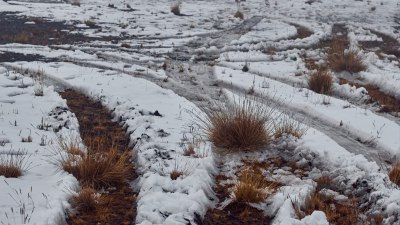
When you want snow to stick, often for skiing, snowmen, or winter celebrations, you expect it to stay uniformly across the landscape. But the combined effects of sunlight, substrate, wind, snow texture, temperature swings, and human activity create patchy melt patterns. Exposed roads and sidewalks warm quickly and shed snow fast, while shaded spots or snowdrifts retain cold, sparkling snow. Snow atop roofs may linger because heat escapes less efficiently, yet gutters and driveways clear rapidly.
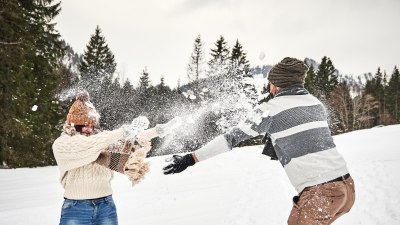
Snow flying into the air as a powdery delight often melts sooner than compacted snow ball or ice patches tightly bound to surfaces. This asymmetry frustrates planners and recreational enthusiasts who rely on predictable snow cover. The elusive patch of snow you want may hide under trees, sticking out in the shade when everything else thaws.
The Role of Microclimates in Snow Persistence
Microclimates—localized climatic zones influenced by terrain, vegetation, and human structures—significantly affect snow melt. North-facing slopes in the Northern Hemisphere receive less direct sun, so snow lingers longer. Dense forests provide shade and reduce wind, insulating snow from warm air. Urban heat islands, conversely, generate heat that speeds melt.
Slight elevation differences alter air temperature and exposure. Snow in depressions may collect cold air, retaining frost into spring. These subtle environmental influences explain why snow patterns in backyards or mountain trails are so varied.
Technological Applications and Snow Melt Management
Understanding snow melt patterns helps engineers and city managers design solutions for snow clearance and water management. Heated sidewalks and roads prevent accumulation and icy hazards. Snow fences channel drifting snow to desired locations, preventing road blockages and conserving snow for sports.
Remote sensing using satellites and drones monitors snow cover extent, melt rates, and water resources. This data supports agriculture, flood control, and climate studies by predicting runoff timing and volume. Snow reservoirs and controlled melt help maintain freshwater supplies.
Ecological and Hydrological Implications
The timing and distribution of snow melt influence ecosystems and river flows. Early or rapid melt can disrupt plant growing seasons, wildlife habitats, and water availability. Patchy snow cover creates microhabitats for insects and mammals adapted to survive winter.
In watersheds, uneven snow melt impacts soil moisture, groundwater recharge, and streamflow contributions. Managing snow melt through understanding its uneven melting helps mitigate drought and flood risks, supporting biodiversity and human needs alike.
A Closer Look: Case Studies of Snow Melt Anomalies
In mountain resorts, ski operators battle with snow patches that melt unpredictably. South-facing slopes suffer early thaws, while shaded tree-lined runs retain snow longer. Artificial snowmaking aims to supplement natural snow and offset these melt patterns.
Urban planners observe rapid snow clearance in commercial districts compared to residential areas. Heat from buildings and vehicles creates melting islands. Research in northern cities links snow patch persistence to air pollution depositing soot, reducing albedo and speeding melt where unwanted.
Practical Tips for Handling Snow Melt Challenges
For homeowners and outdoor enthusiasts, knowing the factors affecting snow melt helps in planning. Shading sensitive areas or planting trees can preserve snow cover longer. Applying reflective materials can reduce unwanted melting. Proper drainage around snow piles prevents ice buildup and flooding.
When melting snow threatens to create slippery surfaces, timely clearing combined with salt or sand application improves safety. Monitoring local weather and microclimate conditions allows for better snow management and enjoyment during winter.
The mystery of snow melting everywhere except where you want it boils down to complex interactions among environmental variables and human interventions. Its uneven melting patterns are natural outcomes of physics, geography, and climate, creating the familiar frustration and fascination that winter brings.
Understanding these factors enriches our appreciation of snow’s ephemeral beauty and guides practical approaches for living and thriving in snowy environments. The delicate dance of snow and warmth continues to inspire research, innovation, and wonder in equal measure.