The Meteorological Mystery of Disappearing Gloves
Explore the curious meteorological factors behind the frequent disappearance of gloves in cold weather and uncover scientific insights.
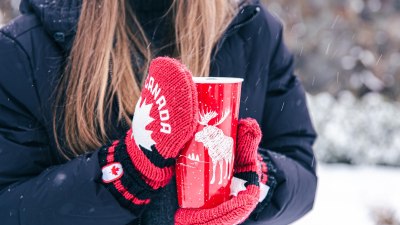
Image by pvproductions on Freepik
During cold weather, gloves are essential for keeping hands warm, yet many people experience the odd phenomenon of losing them mysteriously. This meteorological mystery goes beyond simple forgetfulness, prompting a closer examination of environmental factors that contribute to the disappearance of gloves. This article explores the connections between weather patterns, human behavior influenced by meteorology, and the surprisingly intricate reasons behind the vanishing gloves.
Understanding the Role of Weather in Glove Usage
The use of gloves is directly linked to temperature and other meteorological conditions. As temperatures drop, the need to protect extremities from cold stress becomes vital. When cold fronts arrive, people instinctively reach for gloves to preserve warmth, but these same weather events also create conditions where gloves are more likely to be lost.
Cold, windy weather can cause discomfort that leads individuals to adjust or remove gloves frequently. This increases the chances that gloves may be dropped or left behind. Additionally, precipitation such as snow or sleet can complicate glove retention, as wet gloves may be removed to handle objects or operate devices more dexterously.
Wind and Air Currents: An Unexpected Culprit
Wind plays a subtle but significant role in glove disappearance. Strong gusts common in winter weather can catch a glove that has been momentarily removed, lifting it from its owner’s grasp or pocket and carrying it away. The aerodynamics of a glove, often light and flexible, make them susceptible to being airborne even in relatively mild winds.
Urban environments intensify this effect; buildings create drafts and channel wind in unpredictable ways, increasing the likelihood of gloves being caught and displaced. This interaction between urban wind patterns and winter clothing is a lesser-known meteorological influence on the fate of lost gloves.
Temperature Variations and Their Impact on Gloves
Temperature fluctuations during the day can also contribute to glove loss. Morning cold may prompt glove use, but as the day warms, wearers might remove gloves and leave them behind accidentally. Sudden drops in temperature during evening hours often catch individuals unprepared, with one glove missing or left behind due to previous adjustments.
The physical properties of gloves themselves are affected by temperature changes. Materials may contract or stiffen in freezing conditions, making gloves less comfortable and increasing the frequency of removal. This cycling between wearing and removal creates more opportunities for gloves to be misplaced or forgotten.
Precipitation and Visibility Challenges
Snowfall and rain not only encourage glove use but also hinder their visibility once lost. A dropped glove on a snow-covered sidewalk or grassy area can blend in with the environment, making retrieval difficult. Frozen surfaces and icy conditions deter people from searching for lost items due to safety concerns.
Heavy precipitation can saturate gloves, encouraging their removal when entering indoor environments to prevent moisture discomfort. In these transitions, gloves are more easily left on benches, counters, or vehicle interiors. This combination of weather-driven behavior and environmental conditions accelerates the mystery of disappearing gloves.
Human Behavior Influenced by Weather
Meteorological conditions affect human habits and cognitive focus. Cold-induced hand numbness may impair dexterity, leading to accidental glove loss. When multitasking outdoors, individuals may remove one glove to handle devices or money, inadvertently setting the stage for misplacement.
Moreover, discomfort caused by sweating inside gloves, an effect of being active in layered clothing in winter, causes people to remove gloves intermittently. These removals often happen at transition points such as bus stops, shops, or vehicle entries, locations where gloves may be easily forgotten.
Meteorology-induced distraction plays a role as well. Harsh weather demands more cognitive resources for navigation and safety, resulting in decreased attention to accessory management. This increased mental load combined with cold stress contributes significantly to glove disappearance incidents.
Material Science Meets Meteorology
The materials used for gloves interact with weather conditions, influencing both functionality and the likelihood of loss. For example, leather gloves stiffen in cold and can become slippery under wet conditions. Wool and synthetic fiber gloves absorb moisture, becoming heavier and prone to slipping off.
Glove designs that incorporate wrist straps or tightening mechanisms reduce loss by securing gloves more firmly against weather conditions. Conversely, some fashion-focused designs prioritize aesthetics over functionality, leading to higher loss rates during harsh meteorological events.
The choice of gloves aligned with weather patterns is an overlooked factor in glove disappearance. Wearing gloves appropriate for conditions, such as water-resistant or insulated models, promotes retention and reduces the incidence of loss.
Meteorological Patterns and Seasonal Trends in Glove Loss
Statistical data reveals a seasonal trend in glove loss correlating with meteorological patterns. Peak losses tend to occur during transitional weather periods like late autumn and early spring when temperatures fluctuate around the freezing point. This leads to inconsistent glove use and higher rates of removal and subsequent loss.
Winter storms, particularly those with strong winds and variable precipitation, show spikes in reported missing gloves. Post-storm cleanup and shifting urban activities bring about an increase in lost clothing items, including gloves carried off by debris or wind.
These trends highlight an intricate link between meteorological events and glove disappearance, demonstrating how weather patterns influence human interaction with their clothing accessories.
Environmental Impact of Lost Gloves
The mystery of disappearing gloves is not limited to human inconvenience; it extends to environmental concerns. Lost gloves contribute to urban litter and can pose risks to local wildlife. Synthetic materials in gloves take considerable time to degrade, potentially contaminating soil and waterways.
Cold environments, especially those experiencing regular snowfall, may trap lost gloves beneath layers of snow, complicating clean-up efforts. Winds can transport gloves into natural habitats where animals may ingest or become entangled in them, leading to harm.
Awareness of the environmental consequences of lost gloves encourages both manufacturers and consumers to consider sustainable materials and responsible usage practices. Efforts to reduce glove loss thus also support ecological well-being.
Technological Innovations to Reduce Glove Loss
Finally, technological solutions inspired by meteorological challenges aim to mitigate glove loss. GPS-enabled keychain-style trackers can attach to gloves, allowing owners to locate lost items even in adverse weather. Smart gloves with integrated sensors provide real-time alerts if removed or separated from the wearer.
Materials with enhanced grip capabilities and weather-responsive insulation improve comfort and retention. Some designs incorporate reflective elements to increase glove visibility during snowy or low-light conditions, reducing accidental misplacement.
These innovations consider meteorological realities, merging science and technology to address the persistent mystery of disappearing gloves effectively.
The meteorological mystery of disappearing gloves is a compelling example of how weather conditions, human behavior, material science, and environmental factors intertwine. By understanding this complex relationship, people can adopt better practices for glove management and manufacturers can design smarter products, solving the enigma of vanishing gloves one season at a time.