How to Walk Across a Parking Lot Without Performing a Slapstick Comedy
Master the art of walking safely and gracefully across parking lots, avoiding slips, trips, and funny but painful mishaps.
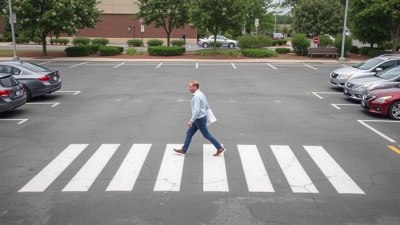
Image created with Flux Schnell
Walking across a parking lot might seem like a simple task, but it can quickly turn into a slapstick comedy scene if you're not careful. Whether it's dodging cars, skipping over puddles, or avoiding uneven surfaces, the journey from your car to your destination requires attention and technique. In this guide, you'll learn how to navigate parking lots safely and with ease, sidestepping the pitfalls that lead to embarrassing or painful moments.
Understand the Environment
Parking lots are frequently overlooked environments full of hidden hazards. Before you take a step, pause for a moment and survey the area. Identify parked cars, moving vehicles, poles, curbs, and any obstacles on your path. Understanding your environment allows you to anticipate potential dangers.
Watch for wet or icy patches, oil spills, cracks, and uneven pavement. These are common spots that cause slips or trips. Being alert to these conditions will help you avoid losing your footing.
Choose the Safest Route
Instead of heading straight for your destination, it’s sometimes better to take a slightly longer but safer route. Stick to walkways if they exist, and avoid crossing through the middle of the lot where cars frequently circle looking for spaces.
Look for clearly marked pedestrian paths, crosswalks, or painted lines that designate walking areas. If these features aren’t present, pick a route close to sidewalks or borders of the parking lot where drivers are less likely to go.
Be Visible
One key to crossing a parking lot safely is ensuring that drivers see you. If it’s dawn, dusk, or nighttime, wear bright or reflective clothing. Even during the day, bright-colored clothing can make you more noticeable.
Make eye contact with drivers when possible, especially if you need to cross in front of a vehicle. Drivers may miss seeing you otherwise, increasing the risk of accidents.
Keep Your Eyes Up and Scan
It might be tempting to look down at your phone or adjust your groceries while walking, but doing so increases your chances of colliding with something or slipping. Keep your gaze up and scan the environment regularly.
Watch out for moving cars, especially those reversing out of spaces where their visibility might be limited. Drivers often focus on other vehicles and overlook pedestrians.
Use Caution When Crossing Between Cars
Many people naturally walk between parked cars assuming it’s a shortcut. However, cars can suddenly start moving or doors can open unexpectedly. Always check behind the cars for approaching vehicles before stepping between them.
A good practice is to stay clear of the rear ends of parked vehicles since drivers commonly back out without seeing pedestrians right behind them.
Walk, Don’t Run
Running across a parking lot will increase the chance of falling or bumping into obstacles. It also reduces your reaction time to sudden changes like a car pulling out or a slippery surface.
Maintain a steady, deliberate walking pace. This lets you adjust your steps based on what you see and helps keep your balance.
Wear Appropriate Footwear
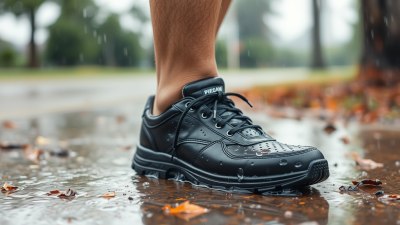
Shoes with good traction and support are crucial for navigating parking lots successfully. Avoid open sandals, high heels, or slick-soled shoes, especially if surfaces are wet or icy.
Proper footwear can prevent slips and provide stability on uneven surfaces common in parking lots.
Acknowledge Weather Conditions
Parking lots can become significantly more hazardous during rain, snow, or ice. Puddles might hide potholes, and icy patches can be invisible to the eye.
Take extra time walking under adverse weather conditions. If you notice moisture on the ground, take smaller steps and place your feet down flat to increase friction.
Keep Your Hands Free
Carrying heavy bags or items while walking across a parking lot can throw off your balance or block your view of hazards. Whenever possible, keep your hands free or use a backpack to distribute weight evenly.
Free hands will also help you catch yourself if you start to slip, reducing injury risk.
Pay Attention to Vehicles at Crossings
Many parking lots have designated pedestrian crossings which drivers might not always respect. Always assume drivers might not stop, and wait until the area is clear before crossing.
Make sure to make eye contact with any driver before stepping in front of their vehicle.
Use Your Peripheral Vision
While focusing ahead is important, don't forget about what's approaching from the sides. Peripheral vision can alert you to moving vehicles or other hazards before they come into your direct line of sight.
Practice Safe Entry and Exit of the Vehicle
Entering and exiting your vehicle safely is a crucial part of parking lot navigation. When you open your car door, glance around to ensure you don’t hit passing pedestrians or vehicles.
When stepping out, check behind and beside your vehicle for oncoming traffic or obstacles before moving away from it.
Learn to Read Driver Behavior
Experienced pedestrians know how to interpret subtle cues from drivers, such as signals showing intent to move or waiting for the pedestrian to pass. Picking up on these behaviors helps you anticipate when it’s safe to cross and when to pause.
Use Technology Wisely
Many cars now have parking sensors, rear cameras, and automatic braking systems to aid safety in parking lots, but don’t rely exclusively on technology. Be proactive and cautious yourself—technology can fail or might not detect all pedestrians.
Prepare Mentally Before Crossing
Mental preparedness helps reduce accidental missteps. Focus on the task of crossing, avoid distractions, and take your time. Small pauses to assess the situation prevent rushed decisions.
Be Mindful of Children and Pets
If you are walking with children or pets, keep them close and safe. Children might dart unpredictably, and pets can get distracted, so keeping control is key to preventing slips or collisions.
Know Emergency Procedures
In case of an accident or slip, know what to do. For minor injuries, basic first aid can help. If a situation involves a vehicle collision or serious injury, call emergency services promptly.
Consider Parking Closer or in Safer Areas
If you’re concerned about safety when crossing a parking lot, try to park near entrances or in well-lit, populated areas. This convenience reduces exposure to hazards and increases visibility to drivers.
Avoid Wearing Headphones
While music or podcasts are enjoyable, headphones can reduce your awareness of ambient sounds, like approaching vehicles or warning signals. To maintain full attention, avoid using headphones in parking lots.
Practice Good Posture
Walking with upright posture and even weight distribution enhances balance and prevents falls. Keep your shoulders relaxed but aligned and your gaze forward.
Watch Out for Shopping Carts
Abandoned or stray shopping carts pose tripping hazards. Many people unknowingly walk into carts left in pathways. Scan for these obstacles and avoid them or remove them safely if possible.
Stay Calm and Confident
A confident gait communicates awareness to nearby drivers and other pedestrians. Hesitation or sudden movements might confuse drivers or cause accidents.
Move with purpose but attentiveness to maintain your own safety.
To walk safely across a parking lot without turning into slapstick comedy, remember these essentials: be aware of your surroundings; choose safe routes; stay visible; keep your head up; avoid distractions; walk steadily; wear proper shoes; be cautious near vehicles; and adjust for weather conditions.
With preparation and care, you can turn a mundane parking lot crossing into a safe, uneventful part of your day.