How Winter Makes Flat Surfaces Suddenly Hostile
Discover why winter turns ordinary flat surfaces treacherous, leading to slips, falls, and hazards.
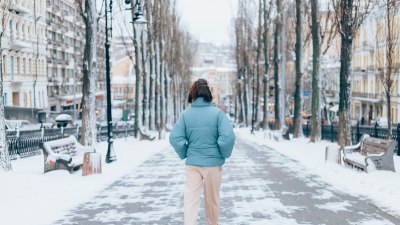
Image by kroshka-nastya on Freepik
When winter arrives, it visibly transforms the environment with frost, snow, and ice, but it also changes the very nature of flat surfaces in unexpected ways. What seems like a harmless flat sidewalk or a smooth driveway can quickly become a slippery trap, posing significant safety risks. Understanding how winter conditions alter flat surfaces helps us prepare better and avoid accidents.
Flat surfaces, by their design, provide stable footing and straightforward navigation in dry conditions. However, the onset of cold weather and moisture fundamentally changes their properties, creating hazards that are not always immediately visible to the naked eye.
The Science Behind Ice Formation on Flat Surfaces
Ice forms when water freezes at or below 0 degrees Celsius (32 degrees Fahrenheit). Even when temperatures hover around freezing, moisture in the air, puddles, or melted snow can freeze upon contact with pavement, concrete, or metal surfaces. These ice layers may be transparent and thin, often called black ice, making them almost invisible and extremely dangerous.
On flat surfaces, water tends to pool rather than drain away quickly compared to sloped areas. This pooling facilitates uniform ice formation. Factors such as surface texture, material composition, and ambient temperature determine how and when ice develops. For example, smooth concrete or metal becomes glassy when iced over, reducing friction drastically.
Temperature fluctuations during the day can exacerbate this behavior. Water melts in warmer daylight only to refreeze at night, leading to increasingly thick and slippery ice layers. Even surfaces that seem dry in the morning can become treacherous by evening.
The Role of Snow and Frost
Snow adds another dimension to winter hazards on flat surfaces. Freshly fallen snow can mask the surface beneath, concealing ice patches, cracks, or uneven textures. Compact snow, when walked upon repeatedly, packs down and can transform into ice through a freeze-thaw cycle. Frost, a thin deposit of ice crystals, can form overnight on flat surfaces without any visible moisture, creating a glittering but slick layer.
These natural phenomena do not only make surfaces slippery but also fool the brain into underestimating risk because of the deceptive appearance of the terrain.
Impact of Surface Material and Texture
The material composition of flat surfaces heavily influences how dangerous they become in winter. Asphalt, concrete, wood, and metal each respond differently to cold and moisture. For instance, wood decks may retain moisture in crevices, allowing ice to form unevenly, while smooth stone or ceramic tiles can become nearly as slick as ice when frozen.
Texture plays a vital role in traction. Rough surfaces with small aggregates or textured finishes provide more grip when dry but can collect ice in crevices that worsen slipperiness. Smooth finishes, while easier to clean, offer minimal resistance once icy conditions set in.
Understanding these variations can inform material choices for exterior walkways and highlight the need for supplemental safety measures during winter.
Common Winter Hazards Associated with Flat Surfaces
Slips and falls on icy flat surfaces cause a significant number of winter injuries annually. Even persons experienced in walking on snow can find their footing compromised when ice forms unexpectedly. This is especially dangerous for the elderly, young children, and individuals with mobility impairments.
Besides personal injury, icy surfaces also threaten vehicles, pets, and property. Driveways and parking lots that freeze over can lead to accidents or difficulty in moving vehicles safely. Pets slipping on icy patios risk injury, while homeowners face increased liability risks when inviting guests during winter months.
Businesses and public venues must be vigilant in handling flat surface maintenance to prevent accidents, often implementing salting, sanding, or heated mats to combat ice formation.
How Temperature Fluctuations Affect Surface Safety
Winter temperatures rarely stay constant. Daytime warming followed by nighttime cooling leads to frequent freeze-thaw cycles. During thaw periods, snow and ice partially melt, increasing water presence. Once the temperature dips, the water re-freezes, often creating layered ice that is stronger and more resilient than initial ice formations.
These cycles cause irregular surfaces with hidden ice lenses beneath the snow or thin sheets of concealed black ice. Such complexity makes walking and driving hazardous because the perceived surface stability does not match reality.
Role of Salting and De-icing Chemicals
To reduce the dangers on flat surfaces, many turn to salting and chemical de-icing agents. Salt lowers the freezing point of water, melting ice and helping to keep surfaces clear. Other chemicals, like calcium chloride or magnesium chloride, are effective at lower temperatures but also carry ecological considerations.
While these treatments improve traction and reduce ice, they must be applied correctly and timely. Overuse can corrode surface materials, damage concrete, and harm surrounding vegetation. Improper timing can fail to prevent ice formation or create slippery wet surfaces. Thus, balancing effectiveness and environmental impact is key.
Preventive Measures to Keep Flat Surfaces Safe in Winter
Several strategies help mitigate winter hazards. Regular snow removal minimizes melting and refreezing cycles. Spreading sand or grit increases texture and friction on icy patches. Using heated mats or embedded heating cables under sidewalks and driveways can prevent ice accumulation.
Design options, such as improved drainage to prevent water pooling, using porous materials, and selecting rough-textured surfaces for walkways, also contribute to safety. In public spaces, timely signage warns pedestrians of potential ice hazards to increase awareness.
Wearing appropriate footwear with good tread and traction helps individuals reduce slip risk. Combining personal precautions with environmental management yields the best safety outcomes.
The Psychological Aspect of Winter Surface Hazards
Humans often underestimate the risk of flat surfaces during winter until experiencing or witnessing accidents. The deceptive nature of black ice and covered ice patches causes overconfidence in walking and driving habits. This underestimation can delay reaction time and increase injury likelihood.
Public awareness campaigns and personal education on recognizing subtle signs of ice can improve caution levels. Understanding that flat does not mean safe in winter encourages people to modify behavior, walk slower, and use additional aids like walking sticks or handrails.
Technological Advances in Winter Surface Safety
New technologies are emerging to detect and manage winter surface hazards. Sensors integrated into pavements can monitor temperature, moisture, and ice formation, sending real-time alerts to maintenance teams. Smart salt spreaders optimize chemical use based on actual surface conditions.
Developments in surface coatings that repel water or prevent ice adhesion show promise. These innovations aim to lessen winter hazards and improve response efficiency but require further research and investment.
Urban Planning and Winter Surface Challenges
Urban design must consider winter hazards on flat surfaces. Incorporating materials resistant to freeze-thaw damage, designing effective drainage systems, and planning sheltered pedestrian paths help reduce risk. Winter maintenance budgets and protocols are critical to keeping outdoor areas accessible and safe.
Community-wide efforts to educate residents, equip public spaces with appropriate tools, and coordinate rapid snow and ice removal assure smoother winter navigation. Cities face greater challenges due to traffic volume and constant use of sidewalks and streets compared to rural areas.
Case Studies: Winter Impact on Flat Surfaces
In regions experiencing severe winters like northern Europe, Canada, or parts of the northern United States, winter maintenance protocols incorporate multimodal tactics. Sidewalk heaters in Scandinavian cities prevent black ice buildup. Salt and grit application schedules are matched to forecasted conditions in Canadian municipalities.
Conversely, areas with sudden cold snaps but less winter infrastructure often see spikes in injury rates due to unprepared surfaces. These examples underline the importance of preventive planning and local adaptation for winter surface safety.
Maintenance Challenges During Prolonged Cold Periods
Extended winter conditions strain resources and complicate surface safety maintenance. Continuous freezing prevents complete melting, leading to persistent ice layers. Mechanical removal becomes difficult as ice bonds tightly to underlying material.
Frequent applications of salt or de-icers can generate environmental and material wear issues. During these times, combining multiple approaches like mechanical, chemical, and thermal prevention is critical. Resource management and prioritizing high-traffic areas guide effective interventions.
Winter Sports and Flat Surface Dynamics
Flat surfaces also impact winter sports beyond walking and driving. Ice rinks, ski resorts, and winter festival grounds depend on controlled surface conditions. Artificial ice surfaces require precise temperature and moisture control to maintain smoothness and safety.
Understanding how natural freezing and thawing cycles affect flat surfaces aids facilities in preparation and maintenance, ensuring athletes and visitors benefit from safe, predictable conditions.
Additionally, the lessons learned from winter safety for flat surfaces translate into improvements for transportation hubs, pedestrian malls, and recreational areas subjected to cold climates.
The Importance of Timely Response to Changing Conditions
Because winter conditions can change rapidly, timely identification and response to ice or snow on flat surfaces are vital. Ice formed overnight may be gone by noon but replaced with refreezing hazards by evening.
Monitoring weather forecasts alongside on-site inspections allows for proactive measures. Delays in applying salt, clearing snow, or signaling hazards heighten risks. Rapid response teams and public reporting systems enhance community safety during transient conditions.
Psychological Adaptation and Behavioral Changes for Winter Safety
Repeated exposure to winter hazards encourages behavioral adaptations. People learn to walk more cautiously, choose safer routes, and use assistance devices during icy periods. Awareness campaigns reinforce these behavioral shifts.
At the same time, complacency must be avoided; even experienced individuals can misjudge surface conditions. Continuous education about winter risks for flat surfaces encourages vigilance throughout the cold season.
Winter Surface Safety for Vulnerable Populations
Elderly individuals face notably higher risks of fall-related injuries during winter due to reduced balance and muscle strength. Children may lack the experience to navigate slippery surfaces safely. Persons with disabilities might encounter additional obstacles on icy flat surfaces.
Targeted interventions, such as installing handrails, improving lighting, and providing assistance programs, help safeguard these populations. Community engagement strategies can raise awareness and facilitate support for those most at risk.
Future Directions in Winter Surface Management
Ongoing research focuses on materials science to create inherently slip-resistant, durable winter surfaces. Combining sustainable approaches with advanced detection systems promises better prevention with less environmental impact. Collaborative urban planning and public education remain cornerstones for evolving strategies.
As climate variability introduces new challenges, adaptive winter surface management integrating technology, design, and human factors will become increasingly important to ensure safety and functionality.
Winter transforms flat surfaces from stable to selective environments, demanding awareness, intervention, and innovation. Recognizing the subtle changes beneath our feet equips us to meet seasonal challenges head-on, protecting lives and maintaining accessibility.