How Snowflakes Are Pretty Until You Have to Drive Through Them
Explore why snowflakes captivate us yet create treacherous driving conditions and how to stay safe on snowy roads.

Snowflakes are one of nature's most delicate and beautiful creations. Each tiny crystal flaunts a unique pattern, reflecting intricate designs that can mesmerize anyone lucky enough to catch one on their glove or coat. Their fleeting presence during winter creates picturesque winterscapes, blanketing the world in soft white, evoking feelings of wonder and tranquility. The allure of freshly fallen snow often prompts joyful outdoor activities, festive moods, and scenes straight from storybooks. Yet, this ethereal charm comes with a hidden challenge: driving through falling snow can be a dangerous and stressful experience. What makes snowflakes so beautiful, and why do they simultaneously create perilous road conditions? This article unravels the contrasting nature of snowflakes — their delicate beauty and the chaos they can bring to our daily commutes.
The Anatomy of a Snowflake: Nature's Frozen Artist
Snowflakes begin their journey high in the atmosphere, forming when tiny water droplets freeze onto dust particles or other microscopic impurities. As the frozen crystals tumble through varying temperature and humidity layers, the water molecules arrange themselves into hexagonal lattices, producing six symmetrical arms. The precise path through clouds, temperature fluctuations, and moisture availability determines their final design, making no two snowflakes identical. The intricate branching patterns result from molecular impurities sticking selectively to the crystal, much like frost etching designs on a windowpane. Despite this complexity, snowflakes are incredibly fragile, melting or sublimating with slight shifts in environmental conditions.
The Visual Allure: Why We Admire Snowflakes
Snowflakes fascinate us for several reasons. Their symmetry resonates with natural patterns found in flowers, shells, and other biological forms, which humans often find aesthetically pleasing. Additionally, observing a single snowflake requires slowing down and focusing, which invites mindfulness and appreciation for fleeting moments of nature's artistry. Artists and photographers often capture snowflakes magnified, revealing complex geometries that inspire awe. Children and adults alike enjoy catching snowflakes on their tongues or mittens, reveling in their delicate and ephemeral texture. This visual appeal is intensified by the way snowflakes blanket landscapes, softening harsh edges, brightening the surroundings, and muffling sound to create a serene winter ambiance.
From Beauty to Hazard: The Threat of Snow on Roads
While snowflakes make winter scenes enchanting, driving through falling snow is a different experience. The transformation from visual delight to navigational hazard starts the moment snow accumulates on roadways. Snow reduces friction between tires and pavement, leading to slippery surfaces known as black ice when temperatures hover near freezing. Fresh snowpack can conceal road markings, potholes, and ice patches, confusing even experienced drivers. Visibility is another critical factor; as snowflakes fall in dense sheets, they scatter light, impairing drivers' ability to judge distances and spot hazards ahead. Accumulating snowflakes can also coat windshields and headlights, reducing the effectiveness of lighting and requiring constant windshield wiper use, which can itself impede visibility.
Mechanical Impacts on Vehicles in Snowy Conditions
Vehicles are not designed to operate optimally in snow without modifications or special equipment. Snowflakes accumulating on brakes, wheel wells, and undercarriages can alter vehicle dynamics. Tires without adequate tread or snow-specific designs struggle to grip ice- or snow-covered roads. Engine efficiency declines in extreme cold, and battery performance may suffer, often resulting in hard starts. Snow and ice can also interfere with sensors and cameras increasingly used in modern cars for navigation and safety systems. For instance, parking sensors and lane assist cameras may become blocked by snow buildup, rendering them ineffective. Furthermore, exhaust pipes can get blocked by snowdrifts, posing safety risks like carbon monoxide buildup if the engine runs while the vehicle is stationary in heavy snow.
Psychological and Emotional Challenges While Driving in Snow
Driving in snowy conditions places a mental strain on drivers, increasing stress and reducing reaction times. The knowledge that braking distances increase and the chance of skidding rises elevates anxiety levels, which can impair decision-making. Snowstorms often come with accompanying poor visibility due to blowing snow or fog, adding to driver uncertainty. For many, driving in snow is an unfamiliar skill set, amplifying nervousness and fear. Defensive driving requires more frequent scanning, slower speeds, and avoidance of sudden maneuvers, all contributing to increased mental workload. These psychological pressures explain why winter driving has higher accident rates, especially during the first snowfall when drivers have not yet adjusted to the conditions.
Safety Tips for Driving Through Snowflakes
Despite the challenges, snow need not completely disrupt mobility when proper precautions are taken. First, vehicles should be equipped with winter tires or all-season tires with good tread depth to improve road grip. Drivers must slow down significantly to increase reaction time and maintain longer following distances to accommodate increased stopping distances on slippery roads. Keeping headlights and taillights clean enhances visibility for both the driver and others. It's essential to avoid sudden acceleration, sharp turns, or hard braking to reduce skidding risk. Additionally, carrying emergency supplies such as blankets, a flashlight, and a scraper is wise if stuck in a snowstorm. Before heading out, checking weather reports and road conditions can inform safer travel plans or the decision to delay trips until conditions improve.
The Role of Road Maintenance and Infrastructure
Municipalities and transportation departments play a crucial part in mitigating snow's impact on driving. Snowplows, salt spreaders, and sand trucks work tirelessly to clear highways and city streets, removing snow and providing traction for vehicles. Efficient snow removal improves road safety by restoring surface grip and visibility of lane markings. Innovations like heated roads and smart sensors that monitor road temperature and ice formation are increasingly employed in some regions to proactively manage winter hazards. However, even the best infrastructure cannot completely eliminate winter driving risks; driver awareness remains paramount. Communities also advise drivers to stay home during severe snowstorms unless travel is essential to reduce roadway congestion and the likelihood of accidents.
Winter Driving Skills: What to Know Before You Go
Effective winter driving involves adapting to slippery conditions. Knowing how to recover from a skid by steering in the direction of the slide, avoiding overcorrections, and using gentle inputs on pedals helps maintain control. Antilock braking systems prevent wheel lock-up during hard stops but may extend stopping distance, so applying steady pressure is crucial. Drivers should familiarize themselves with how their vehicle behaves on snow and ice through controlled practice in safe areas. Understanding that roads can freeze unevenly, with shaded spots or bridges icing before other sections, encourages vigilance. Clear all snow from windows, mirrors, and the roof before driving to prevent obstructed views and snow falling onto other vehicles unexpectedly.
Appreciating Snowflakes Safely
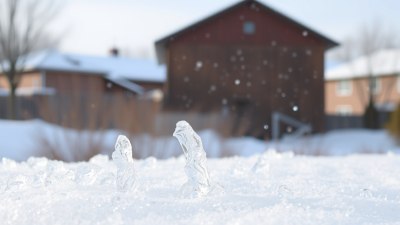
There is no doubt snowflakes are enchanting, yet they present tangible hazards that require respect and caution. Embracing winter's beauty while acknowledging its challenges means preparing adequately and adjusting expectations for travel. Instead of rushing and risking safety, slowing down allows enjoying the serene winter environment in safer ways, such as walking in snow-laden parks or admiring the patterns formed by frost and ice. Vehicle operators who respect snowy conditions, equip themselves properly, and stay informed about weather changes will find winter driving more manageable. Snowflakes will remain symbols of nature's artistry, appreciated not only for their form but also for the unique demands they place on our skills and patience behind the wheel.
In summary, the transition from admiring snowflakes' delicate beauty to navigating snowy roads highlights the importance of preparation, knowledge, and caution. Recognizing the complexities of snow's impact on driving can help prevent accidents and make winter travel safer. While snow may complicate commutes and errands, understanding how to approach snowy conditions transforms these obstacles into manageable challenges, enabling drivers to coexist with winter’s captivating yet testing presence.