How Snow Covers Everything Except the Ugly Parts
Explore the metaphorical and literal ways snow covers the world, highlighting beauty while revealing what remains untouched beneath.
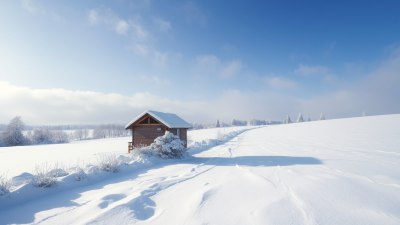
Snow has long been admired for its blanket of pure white, transforming landscapes into serene scenes that captivate the eye and soothe the spirit. When snow falls, it covers everything indiscriminately—roofs, trees, roads, and fields—creating a pristine layer that often softens harsh outlines and masks imperfections. Yet, intriguingly, not everything is concealed; beneath the delicate cover, the less appealing or harsh aspects of the environment sometimes remain visible, metaphorically or literally untouched by snow. This dynamic interplay between concealment and exposure offers a fascinating lens through which to consider not only winter’s artistry but also deeper reflections on perception and reality.
The Physical Nature of Snow Cover
The forming of snow and its transformation into a snowpack begins as tiny ice crystals condense in clouds and fall to the earth. Upon landing, the snowflakes create a soft, white layer that differs from other types of precipitation like rain or sleet by its ability to accumulate and linger. Its reflective white color results from the crystalline structure, scattering light to create the glistening effect we often admire. In areas where snow is consistent, the accumulation gradually smooths out rough edges, covering textures and shapes with a uniform surface.
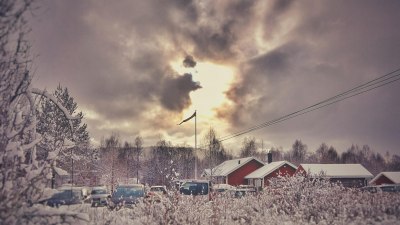
Though snow’s coverage is extensive, it is rarely perfect or completely even. Certain elements resist full burial under fresh snow, and some may be exposed as the snow settles or melts. Rocks, tree branches, or man-made clutter protrude through the blanket, acting as reminders of the underlying reality. This natural partial coverage creates a patchwork effect—snow masking much but allowing some following details to peek through.
The Concept of ‘Ugly Parts’ in a Snow-Covered Landscape
Physical ugliness in a landscape can be subjective but generally relates to elements that disrupt harmony or visual appeal. Broken branches, litter, mud, or worn pavement are often seen as eyesores. Snow’s ability to mask these imperfections contributes to the enchantment of a fresh snowfall, temporarily erasing flaws and renewing the scene. However, not everything succumbs to snow’s concealing power. Some flaws remain visible, sometimes because of their size, shape, or position.
For example, exposed patches of dirt or close-to-ground weeds may stick out where the snow is too thin to cover thoroughly. Streets and pathways might be salted or cleared to maintain usefulness, leaving the underlying ugliness visible. In urban settings, snow often piles unevenly and thaws quickly, revealing trash or dirt rather than covering it entirely. Such visible imperfections amid the snowy landscape highlight a tension between nature’s ability to obscure and the persistence of reality breaking through the façade.
Snow as a Metaphor: Covering Up But Not Erasing
Snow’s selective coverage can be seen as a powerful metaphor for how we, as humans, sometimes attempt to cover problems, flaws, or painful realities. Just as snow blankets ground imperfections but spares larger or more stubborn ‘ugly parts’, social or personal issues can be superficially hidden but not fully resolved. This analogy can extend to emotional experiences where feelings are masked or ignored yet continue to exist beneath the surface.
In this metaphor, snow represents temporary concealment that allows for a fresh perspective—a winter reset—while the exposed ugliness represents unresolved aspects that eventually demand attention. The temporary nature of snow’s coverage reminds us that hideaways are rarely permanent solutions. Just as snow melts to reveal what lies beneath, time and scrutiny expose what was once obscured.
How Snow Highlights Contrasts
Paradoxically, the stark white of snow can emphasize contrasts and draw attention to imperfections rather than merely hiding them. On freshly snow-covered surfaces, any disturbance becomes highly visible—a footstep, a dirt smudge, or a fallen leaf. The purity of the snow acts as a canvas that enhances the visual impact of any disruption.
This effect is evident in urban environments where debris or refuse sharply contrasts with snow’s brilliance. In natural settings, animal tracks, tree bark textures, or exposed rocks become focal points rather than distractions. Snow thus serves not only as a cover but also as a spotlight, accentuating both beauty and blemishes in vivid detail.
The Role of Temperature and Weather in Snow Coverage
Environmental factors influence how thoroughly snow covers a landscape and how long it remains. Temperature fluctuations, wind, and sun exposure determine snow’s depth, texture, and persistence. In areas where temperatures hover around freezing, melting and refreezing can expose dirt and grime beneath the snow’s surface, breaking its continuity.
Wind can scour snow from higher surfaces or create drifts that accumulate unevenly. The resulting patchiness means some features are more exposed than others, contributing to the perception that snow “covers everything except the ugly parts.” Understanding these weather dynamics deepens appreciation for the complex visual and environmental interplay set in motion by snowfall.
Snow in Literature and Art: Exploring Beauty and Reality
Literature and art have long explored snow’s dual nature of concealment and revelation. Writers such as Robert Frost and poets like Sylvia Plath use snow imagery to convey themes of purity, death, renewal, and hidden truths. In painting and photography, the snowy landscape becomes an arena where contrasts of light and shadow reveal as much as they hide.
Artists depict snow-covered scenes to evoke tranquility, silence, or desolation. The selective coverage—some elements obscured, others revealed—invites contemplation on what is visible versus what lies beneath. Snow’s ability to frame reality in white thus offers a versatile symbol for exploring human experience and natural beauty simultaneously.
Snow and Psychological Perception
Psychologically, snow alters perception through its ability to simplify visual complexity. By muting colors and smoothing irregularities, snowy environments can induce feelings of calm, reflectiveness, or even melancholy. The selective exposure of imperfections forces a nuanced engagement—recognizing that beneath apparent purity, complexity persists.
This interplay can influence mood, creativity, and reflection, making snow-covered landscapes powerful sites for personal introspection or artistic inspiration. Snow’s partial concealment can also mirror human tendencies to hide vulnerabilities while being unable to completely escape them.
Practical Implications of Snow’s Partial Coverage
Beyond aesthetics and metaphor, snow’s incomplete coverage impacts daily life. Roads and sidewalks need clearing because snow alone does not erase hazards like ice patches, debris, or uneven surfaces. These uncovered ‘ugly parts’ present safety risks during winter months, requiring human intervention to navigate.
Similarly, infrastructure maintenance and landscape management adjust for snow patterns, acknowledging that while snow transforms appearances, it rarely replaces the need for ongoing care. Understanding where snow fails to cover allows for better planning and resource allocation in winter maintenance.
Environmental and Ecological Effects
Snow’s role in ecology includes insulating ground temperature and providing moisture for plants as it melts. However, the areas where snow coverage is thinner or inconsistent can create microhabitats with different temperature profiles or exposure levels. This patchiness influences plant survival, animal behavior, and soil conditions.
For example, rocks and branches sticking out from the snow can serve as shelter or perches for wildlife during winter. The ‘ugly parts’ that snow does not conceal often become essential ecological features, contributing to biodiversity and ecosystem health in snowy regions.
Changing Climate and the Future of Snow’s Coverage
In the context of global climate change, snowfall patterns and durations are shifting. Warmer winters, altered precipitation types, and fluctuating freeze-thaw cycles impact how snow covers landscapes. Reduced snowpack or inconsistent coverage can increase the visibility of ground imperfections and change the symbolic and practical roles snow plays in our environment.
Adapting to these changes involves rethinking how we value and manage winter landscapes, recognizing that the interplay between snow’s beauty and exposed ‘ugly parts’ will continue evolving. This evolving relationship challenges communities to balance appreciation with awareness of environmental shifts.
Appreciating Snow’s Dual Nature
Ultimately, snow’s ability to cover everything except the ‘ugly parts’ invites us to appreciate complexity—the coexistence of beauty and imperfection. The snowy landscape encourages us to look beyond surface appearances and recognize the layered realities beneath. Snow enhances beauty while reminding us that not all flaws or challenges can be concealed indefinitely.
This balance reflects broader truths about life, nature, and perception. Snow, in its delicate dance of concealment and revelation, offers a poetic example of how the world continually offers glimpses of both brilliance and blemish, inviting thoughtful engagement with the spaces we inhabit.