How Rain Appears the Moment You Forget an Umbrella (Again)
Explore the uncanny timing of rain appearing just when you forget your umbrella and learn tips to stay dry and prepared.

There's a peculiar phenomenon that many experience but few understand: the sudden appearance of rain at the very moment you forget your umbrella. Whether you're rushing out the door or enjoying a sunny day, somehow, the heavens seem to open precisely when you're unprepared. This common yet mystifying occurrence has captured the imagination of many, leading to a blend of frustration, amusing anecdotes, and even superstitions.
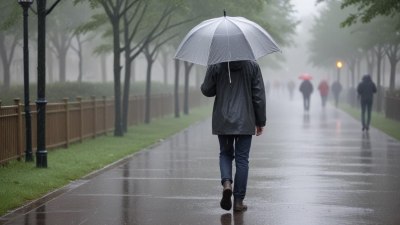
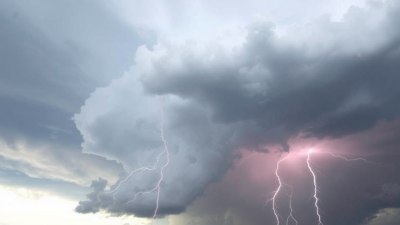
The experience typically unfolds like this: you decide to leave your umbrella behind because the sky looks clear. You step outside, and the sun shines brightly. Minutes later, dark clouds gather stealthily, and the first drops fall by the time you realize your oversight. You scramble for cover, your clothes begin to soak, and the clear day quickly turns gloomy. This scenario feels personally targeted, almost as if rain has a sneaky way of appearing exactly when you're vulnerable.
Scientifically, weather is influenced by numerous atmospheric factors such as temperature, humidity, wind patterns, and pressure systems. Weather forecasts strive to predict rain accurately, yet there are intrinsic limitations to predicting local showers that can crop up suddenly. Microclimates—small areas with distinct climatic conditions—can cause rain in one neighborhood but not a nearby one, catching people unaware.
Psychologically, the sensation that rain arrives only when you forget an umbrella can be attributed to a cognitive bias known as the availability heuristic. This means you remember instances when you were caught unprepared more vividly than times when you had an umbrella and it didn’t rain. Your brain naturally gives greater attention to moments of discomfort or inconvenience, reinforcing the belief that rain targets your unpreparedness.
Another explanation resides in the temporal correlation people perceive between forgetting an umbrella and getting rained on. For example, when you remember to carry an umbrella, rain might not always occur, so those situations fade from memory. However, forgetting the umbrella and encountering rain feels more impactful, magnifying their connection in your mind.
Interestingly, some cultures have folklore and superstitions surrounding unexpected rain. Stories often attribute sudden showers to omens or supernatural forces, framing the experience as more than chance. In modern times, we rarely think this way but might jokingly refer to the weather as conspiring against us.
Practical preparation is key to breaking the cycle of being caught in the rain unawares. Incorporating routines that include checking reliable weather applications before heading out can significantly reduce surprise showers. Weather apps now offer minute-by-minute forecasts, radar imagery, and alert notifications tailored to your location, empowering individuals to make better decisions.
Portability matters too. Carrying a small, lightweight umbrella or a compact raincoat can be a lifesaver. Some umbrellas shrink to fit inside purses or pockets, ensuring that you have coverage without burdening yourself with bulk. Over time, developing the habit of carrying an umbrella regardless of the forecast acts as an insurance against unexpected showers.
Understanding local weather patterns is another strategy. Certain regions are prone to sudden afternoon thunderstorms or quick drizzles during specific seasons. Familiarity with these patterns allows residents to anticipate rain intuitively, minimizing unpleasant surprises.
Public transportation users face unique challenges regarding rain preparedness. Sometimes delays or extended waits increase exposure to the elements, making umbrellas critical. Even in urban areas with extensive shelter options, the unexpected nature of rain can lead to difficult commutes when unprepared.
On a societal level, the unpredictability of rain affects various industries including agriculture, construction, and outdoor events. Farmers monitor weather closely to protect crops, while construction projects may pause or accelerate based on forecasts. Event planners must arrange contingency plans for outdoor weddings or concerts, always prepared for the possibility of sudden rain.
The phenomenon of rain appearing when you forget an umbrella is relatable worldwide, crossing cultural and geographical borders. Anecdotal stories shared by friends, family, and social media illustrate a universal bond over these inconvenient showers. This shared human experience serves as a reminder of nature's unpredictability and our ongoing challenge to adapt.
Advances in meteorology continue to improve our understanding and prediction accuracy of precipitation. Satellite technology, Doppler radar, and sophisticated modeling systems provide more detailed data. However, even with these tools, sudden localized rain events can elude precise forecasting due to their scale and complexity.
Embracing a flexible mindset toward weather can help mitigate frustration. Recognizing that some elements, like sudden rain, are beyond full control allows individuals to approach the situation with humor and grace rather than annoyance. Adopting this perspective may reduce stress and improve daily experiences.
Fashion has adapted in part to the reality of intermittent rain. From waterproof fabrics and quick-dry clothing to stylish rain boots and hats, the apparel industry offers numerous solutions blending utility and aesthetics. Choosing rain-appropriate attire increases comfort and can boost confidence even during unexpected downpours.
Moreover, urban infrastructure is evolving to accommodate climate variability. Cities incorporate features like covered walkways, public shelters, and improved drainage systems to minimize the impact of sudden rains on pedestrians. Such measures enhance mobility and safety in diverse weather conditions.
Technological innovations have introduced novel approaches to rain preparedness. For instance, smart umbrellas embedded with sensors can alert users via smartphones about impending rain or the risk of leaving the umbrella behind. These gadgets represent the merging of traditional tools with modern connectivity to enhance user convenience.
The psychological relief of having an umbrella in hand during uncertain weather cannot be overstated. It not only provides physical protection but also a sense of control amid nature’s unpredictability. This small act of carrying an umbrella can foster confidence and reduce anxiety about venturing outdoors.
In family and social contexts, rain-related mishaps often become stories retold with laughter. These moments, though inconvenient at the time, contribute to shared memories and bonding. Humor becomes a coping mechanism, turning the frustrating experience of being caught in the rain without an umbrella into a lighthearted anecdote.
Educational institutions sometimes incorporate lessons about weather preparedness, environmental science, and safety. Teaching children about checking forecasts, suitable clothing, and basic meteorology equips younger generations with important life skills. Cultivating awareness from an early age helps prevent the frustration associated with sudden rain.
From a broader perspective, climate change is influencing weather patterns worldwide. Increased variability is leading to more frequent and intense precipitation events in many regions. This reality underscores the growing importance of being prepared for unexpected weather shifts, including carrying umbrellas when you might typically dismiss them.
Examining historical weather records reveals that societies have always had to contend with the unpredictable nature of rain. From ancient civilizations relying on rain for crops to modern urban dwellers managing daily commutes, the timing and occurrence of rain have shaped human activity profoundly. Tools, customs, and infrastructure all developed to balance dependence on and resistance to rain’s caprices.
Another dimension is the environmental impact of umbrella production and disposal. Modern consumers are encouraged to choose durable, sustainable products to minimize waste. Repairing umbrellas instead of replacing them, or selecting models made from eco-friendly materials, contributes to environmental stewardship.
Community awareness campaigns often promote preparedness for rain and other weather extremes. These initiatives may provide free or discounted umbrellas, public education on weather alerts, and tips for safe travel during inclement weather. Collective efforts highlight the societal value of readiness and mutual care.
For those who find rain magical or inspiring, the sudden arrival of showers without an umbrella can be reframed as an unexpected gift. Rain nourishes plants, cools the air, and creates ambient sounds that many find calming. Viewing these occurrences through an appreciative lens can transform the narrative from annoyance to wonder.
Nevertheless, the inconvenience remains undeniable—being caught in rain without an umbrella leads to discomfort, potential health risks, and ruined belongings. Preventative measures remain the best defense, blending knowledge, habit, technology, and infrastructure to reduce the frequency of these moments.
Tracking personal experiences with rain can also aid preparedness. Keeping a weather journal or using app logs lets individuals recognize patterns in their locale and personal schedule. This self-awareness sharpens decision-making regarding when to carry protective gear.
In conclusion, the phenomenon of rain appearing the moment you forget an umbrella intertwines meteorological unpredictability with human perception and behavior. While weather's caprice can’t be controlled, understanding why and how this happens empowers people to reduce its impact. Through practical strategies, technological aids, and mindset shifts, individuals can reclaim confidence in facing the whims of weather.
Despite efforts, rain will sometimes arrive unbidden, reminding us of nature’s authority. Embracing this reality, while prepared, fosters resilience and adaptability—qualities valuable far beyond the realm of weather. So, next time the skies darken after you leave your umbrella behind, consider it a shared human quirk and an opportunity to improve preparedness for the next unexpected shower.