How Cold Air Knows You Just Washed Your Hair
Explore the science behind why cold air feels different on freshly washed hair and what factors influence this unique sensation.
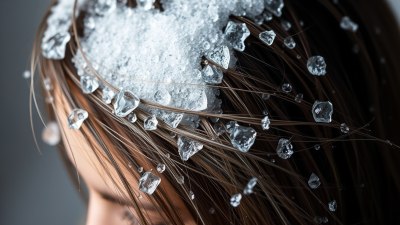
Have you ever stepped outside on a chilly day right after washing your hair and immediately felt that distinct icy prickling sensation? It's as if the cold air somehow 'knows' your hair is fresh and clean, reacting more sharply than usual. This experience is common and can be explained through a combination of physical and physiological factors involving your hair structure, scalp temperature, moisture content, and how cold air interacts with them.
To understand this phenomenon, we first need to look at what happens to your hair when you wash it. Shampooing removes not only dirt and oils from the hair strands but also the natural sebum produced by your scalp. Sebum acts as a protective, hydrophobic layer that keeps hair strands coated, smooth, and less prone to rapid moisture exchange with the air.
When you wash your hair, this oily barrier is significantly reduced or temporarily eliminated, leaving the hair shaft more porous and ready to absorb or release moisture. This absence of sebum also makes the hair cuticles—the outermost layer made up of tiny overlapping scales—more likely to lift and create microscopic gaps. These openings increase the hair's interaction with the environment.
Immediately after washing, your hair is damper than usual. The water clinging to the hair strands begins to evaporate upon exposure to air, and evaporation is a cooling process. This evaporation draws heat away from your scalp and hair shaft, intensifying the sensation of cold. The rate of evaporation is higher from freshly washed hair due to the lack of oily barriers and the higher moisture content.
The physical principle here is evaporative cooling. When water molecules transition from liquid to vapor, they absorb heat energy from their surroundings, which translates to a cooling effect. With hair freshly soaked or damp, this process is in full swing, making your scalp and hair feel cooler than the ambient air temperature.
Moreover, hair texture and thickness influence this cooling sensation. Fine, straight hair dries faster and offers less insulation, so evaporative cooling effects can be more pronounced. Conversely, thick or curly hair retains moisture longer, so the cold sensation might last longer but feel less intense initially.
Another factor is the actual temperature of your scalp and hair right after washing. Hot water, typically used for washing hair, raises the temperature of your scalp momentarily. As it rapidly cools upon exposure to cold air, the thermal difference amplifies the perception of cold. Your body’s sensory nerves in the scalp are sensitive to temperature changes and relay these sensations to the brain almost instantly.
The nerve endings in your scalp include thermoreceptors, specialized receptors that detect temperature variance. When cold air comes in contact with recently washed, damp hair, these receptors send strong signals because of the sudden temperature drop combined with the evaporative cooling effect. This responsiveness is heightened because without the oily protective layer, your hair and scalp experience direct exposure to the environment.
Humidity also plays a role. Dry, cold air accelerates evaporation, making the cold feel sharper, while high humidity slows evaporation, slightly damping this effect. If you live in a dry climate or it's a dry winter day, you'll likely notice the chill more acutely after washing your hair.
Another interesting aspect is how cold air interacts with the hair cuticle's openness after washing. When hair is clean and wet, the cuticles are more raised compared to their flattened state in unwashed, oily hair. Raised cuticles increase surface roughness and expose more area to environmental moisture exchange. This means more water can evaporate at a faster rate, enhancing that cold feeling.
Besides these physical factors, psychological perception plays a subtle role. The contrast between the warmth of a shower and the immediacy of cold air hitting your hair primes your brain to notice and amplify temperature differences. This is a classic example of sensory contrast, which deepens the awareness of sensations when two opposing stimuli are experienced in quick succession.
The hair shaft itself is primarily made of keratin, a protein that can absorb some moisture and is sensitive to environmental conditions. Water absorbed by keratin causes it to swell and change mechanical properties temporarily. This swelling might slightly adjust how heat is conducted across the hair strand, influencing the feeling of coldness.
Interestingly, the scalp's blood flow can also adapt to thermal changes. After washing, the scalp may have altered microcirculation due to warmth from the shower, which then quickly diminishes when exposed to cold air. Reduced blood flow slows heat delivery to the scalp surface, increasing the sensation of coldness and potentially enhancing sensitivity for a short period after washing.
Some might think that the cold sensation is solely due to wet hair, but it's the combined effect of moisture content, cuticle condition, lack of oils, scalp temperature, environmental dryness, and neural sensory mechanisms that produce this phenomenon. Each factor complements the others, leading to that vivid, cold feeling when stepping into chilly air post-shampoo.
Given this understanding, there are practical steps you can take to mitigate the cold shock if desired. Applying leave-in conditioners or light oils after towel drying can replenish some of the lost sebum or protective layers, slowing evaporation and insulating hair strands better. Also, drying hair more thoroughly before stepping outside reduces residual moisture and the intensity of evaporative cooling.
Wearing protective headgear like hats can create a microenvironment around the scalp, trapping warmth and moisture to blunt the cold air's effects. Additionally, adjusting the water temperature during washing to be lukewarm rather than hot can minimize the initial scalp temperature spike, lessening the thermal contrast experienced upon going into cold air.
In some cases, cold sensitivity after washing hair might be exaggerated by scalp conditions such as dryness or irritation. Maintaining a healthy scalp with appropriate hair care products designed to balance moisture without stripping natural oils helps maintain normal sensory responses and scalp comfort.
It is fascinating to consider how hair, a seemingly passive part of our body, actively participates in thermal exchange with the environment and influences sensory perception. The simple act of washing hair dramatically changes its interaction with the surrounding world, turning a mundane routine into a moment of heightened sensory awareness.
To summarize the key components that explain how cold air 'knows' your hair was just washed: freshly washed hair lacks the oily protective coating, increasing moisture evaporation; hair cuticles are raised, expanding surface area for cooling; the scalp experiences temperature changes amplified by hot water exposure; dry cold air accelerates cooling through evaporation; and thermoreceptors in the scalp intensify the perception of cold. The combined physics and biology behind this process create a vivid, unmistakable sensation.
Next time you step outside with wet hair on a cold day, you can appreciate the complex interactions at play between your hair, scalp, and environment leading to that unmistakable chill. This example highlights the remarkable sensitivity of our bodies and the subtle physics in everyday experiences.
Continual exploration into hair physiology and environmental interaction not only provides insights into personal comfort but also informs better hair care practices and product development aimed at maintaining scalp health and sensory balance. Understanding the science behind hair's response to cold can inspire innovations in thermal protective hair products tailored for different climates and lifestyles.
In essence, cold air doesn't literally 'know' anything; rather, the physical state of freshly washed hair and scalp creates conditions that maximize thermal and sensory contrasts, producing the vivid cold sensation we notice. This interplay underscores how our bodies and environment engage in an ongoing dialogue mediated by physics, biology, and perception.