Winter Is Just a Long, Cold Game of “Guess the Surface”
Explore the fascinating challenges and surprises of winter surfaces, from ice to snow and beyond.
Winter transforms the world around us into a vast, shifting puzzle—an ever-changing game of “guess the surface.” The snow that blankets ground, roads, and sidewalks doesn’t merely hide what lies beneath; it creates new textures, slick spots, and unstable patches that challenge every step and every journey. But why does winter play this trick on us? And what can we learn from the many layers that make up the cold season’s signature surfaces?
The Illusory Nature of Winter Surfaces
The surface of winter terrain is not a uniform entity. What looks like a safe path may conceal treacherous ice beneath a thin veil of snow, or a patch of ice may be disguised by a fresh dusting of frost. This illusion is the source of many slips, falls, and road accidents, but it also captures the imagination of those who study winter weather and landscape.
When temperatures drop, water freezes. However, the process is rarely straightforward. Snow crystals accumulate in unique patterns depending on temperature and humidity; ice forms on different materials and in varying thicknesses; frost develops where moisture freezes directly onto surfaces. What emerges is a complex matrix of surfaces that are both beautiful and hazardous.
Understanding Snow: More than Frozen Water
Snow is often seen as a soft, white blanket covering everything, but it is far from simple. Snowflakes are intricate crystals formed when water vapor freezes around dust particles high in the atmosphere. No two flakes are exactly alike, and they combine in ways that create fluffy, powdery snow or dense, wet snow depending on conditions.
Below the freshly fallen snow, layers of earlier snowfall can compact and transform, creating varying degrees of firmness. This layering significantly impacts how safe or slippery a surface is. For example, powder snow covering a hard icy layer can give a false impression of security; footsteps might sink into the powder, masking the frozen danger beneath.
Ice: The Deceptive Danger
Ice is one of winter's most notorious game-changers. It appears in multiple forms across winter surfaces. Black ice, a thin, almost transparent layer of ice, is particularly dangerous because it’s hard to detect and extremely slippery. It forms when temperatures hover around freezing, wetting road surfaces that then freeze.
Besides black ice, there’s also hardened ice formed through cycles of melting and refreezing, thick ice that builds up on lakes and ponds, and rime ice, which forms when supercooled water droplets freeze on contact with objects. Each type alters the feel and safety of the surface underfoot.
Frost and Hoarfrost: The Winter Embellishments
Frost forms when moisture in the air freezes onto cold surfaces. This thin layer of ice crystals is often seen on car windows, grass, and sometimes road signs. Hoarfrost, a more elaborate pattern of ice crystals, occurs under clear, cold conditions with high humidity. These icy coatings are more than decorative; they add to the complexity of the winter surface by creating additional slippery patches or fragile coverings that look solid but easily break under weight.
The Role of Temperature Fluctuations
One of winter’s defining features is the constant fluctuation of temperatures around freezing. During the day, sunlight or slight warmth may melt snow or ice surfaces just a little, creating a thin layer of liquid water. At night, temperatures plunge back below freezing, refreezing the moisture into ice. This cycle creates a constantly changing surface that requires careful attention.
The freeze-thaw cycle also leads to the formation of ice layers known as ice crusts on snow cover. Crusts can vary in thickness and hardness, affecting walking conditions. Thin crusts break underfoot, requiring delicate balance; thick crusts can bear weight but be slippery. The skill of predicting these transitions can be crucial, especially for those traveling in remote or icy regions.
Snowpack Layers and Avalanche Risks
For snowy mountainous regions, the game becomes even more complex. Snowpack is composed of multiple layers of snow with distinct physical properties. These layers can differ dramatically in hardness, moisture content, and bonding. Changes in temperature, snowfall, wind, and rain can alter these layers and the overall stability of the snowpack.
When weak layers develop beneath denser, harder snow, they create an unstable condition that can lead to avalanches. Avalanche forecasters spend enormous time assessing snow layers, looking for signs of instability—much like trying to guess the characteristics of hidden surfaces beneath the visible snow.
How Winter Surfaces Affect Travel and Safety
The unpredictable nature of winter surfaces impacts not just recreational activities, but everyday travel and safety. Pedestrians must be wary of slippery sidewalks and hidden ice patches. Drivers face challenges on snow-packed roads and invisible black ice. Understanding the subtle differences between snow, ice, frost, and slush—and how they interact—is essential for safe navigation.
Winter maintenance, such as salting, sanding, and plowing, all aim to modify surfaces to reduce hazards. Salt lowers the freezing point of water, melting ice—but temperature and humidity must be right for it to work effectively. Sand provides traction on slippery spots without melting ice; it is particularly useful on shaded surfaces where ice persists.
Protective Gear: Navigating Winter Surfaces
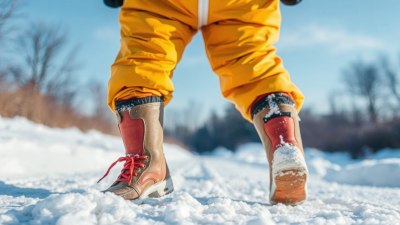
To play the winter game safely, appropriate gear is critical. Footwear with traction devices, such as ice cleats or spikes, can prevent slips. Insulated boots keep feet warm and dry while providing grip on snow and ice. On roads, winter tires with deeper treads and softer rubber compounds help vehicles grip cold pavement, reducing the risk of skidding.
For extreme outdoor adventurers—hikers, mountaineers, skiers—understanding how to assess snow surfaces and ice is a vital skill. Tools such as ice axes, crampons, snow probes, and avalanche beacons aid in navigating and surviving challenging conditions.
Surprising Phenomena: Ice Flowers and Snow Bridges
Winter hides some fascinating features on its surfaces. Ice flowers, delicate ice formations that bloom on plant stems or surfaces, reveal the complex interplay between moisture, temperature, and wind. Snow bridges, formed when snow builds up over crevices or streams, create temporary surfaces that are stable only if the snow beneath is thick and solid enough.
These natural phenomena illustrate how the winter environment continuously shapes and reshapes the ground beneath, keeping the game of guessing alive.
Urban Winter: The Intersection of Nature and Infrastructure
In cities, winter surfaces become more engineered yet no less daunting. Sidewalks covered in snow are cleared sporadically, salt is scattered unevenly, and melting snow can refreeze into ice patches. Manhole covers, grates, and pavement cracks behave differently under snow and ice, creating localized dangers.
Urban planners and public works departments must consider these variations when designing winter maintenance schedules and safety campaigns. Public awareness is vital; families and workers alike benefit from education about the unpredictability of winter terrain.
Psychological Effects: The Cognitive Challenge of Winter
Walking or driving on winter surfaces demands constant attention and quick decision-making. The uncertainty about what lies beneath—a patch of slick ice or stable snow—can increase anxiety and mental fatigue. This cognitive load makes the “guess the surface” game not only physical but also psychological.
Developing experience and knowledge reduces this burden. People learn to recognize visual clues for ice, understand when conditions are ripe for freezing rain, or respond appropriately to snowpack changes. In effect, winter sharpens our environmental perception and adaptation skills.
The Ecological Perspective of Winter Surfaces
Winter surfaces play a fundamental role in ecosystems. Snow cover insulates the soil and plants beneath, protecting roots from extreme cold. Ice cover on lakes regulates gas exchange and provides habitat for some species. The texture and compaction of snow influence animal movement and hunting behaviors.
Animals like snowshoe hares and lynxes have evolved adaptations to move efficiently on snowy surfaces, effectively mastering their own “guess the surface” challenge. Similarly, predators use subtle changes in snow texture to track prey.
Technological Advances in Winter Surface Prediction
Recent technology has elevated our ability to anticipate what winter surfaces will be like. Satellite imagery, ground sensors, and computer models can predict ice formation, snow density, and road conditions. Real-time monitoring systems provide updates to municipalities and travelers, improving safety and response times.
For example, road weather information systems (RWIS) gather data on temperature, humidity, and surface conditions to detect black ice early. This information guides salt spreading and alerts drivers. While not perfect, these technologies reduce the risks inherent in the winter guessing game.
Art and Inspiration: The Beauty of Winter Surfaces
Beyond their hazards, winter surfaces inspire artists, photographers, and writers. The patterns of frost on a windowpane or the sparkle of freshly fallen snow capture imaginations. Sculptors find new subjects in ice formations; painters depict the subtle interplay of light and shadow on snowdrifts.
The ephemeral quality of winter surfaces—constantly changing, delicate, and complex—reminds us of nature’s dynamism and the quiet beauty of cold months.
Preparing for the Next Winter
As the cold season approaches, preparing for the many faces of winter surfaces is essential. Checking weather forecasts, equipping homes and vehicles, and adopting cautious movement strategies can reduce accidents and injuries. Learning about the science of snow and ice deepens our respect and understanding.
Whether it’s walking to school, commuting to work, or exploring winter landscapes, guessing the surface correctly is a skill we all benefit from honing. Winter is a natural game that challenges our perception, adaptability, and resilience in profound ways.