Why Your Scarf Has a Personal Vendetta Against Your Hair
Explore why scarves often harm your hair and learn tips to protect your locks while styling with scarves.
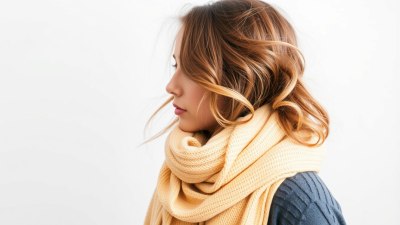
Image created with Flux Schnell
Scarves are timeless accessories that can instantly elevate your outfit, add a splash of color, and protect you from the elements. Yet, despite their appeal and practical uses, many notice an unfortunate side effect: their hair seems to suffer whenever they wear a scarf. Tangled strands, frizz, breakage, and dullness often follow scarf wearers, making it seem as though scarves have a personal vendetta against your hair. But is this really the case? Let's unpack the relationship between scarves and hair health, and how to enjoy scarves without compromising your gorgeous locks.
The Fabric Factor: Why Material Matters
The first culprit behind scarf-induced hair problems is the fabric used. Not all scarves are created equal in terms of gentleness on hair. For example, wool or rough synthetic fabrics like polyester can cause more friction when in direct contact with hair strands. This friction disturbs the hair cuticle, the outer protective layer, leading to frizz and damage over time.
On the contrary, silk and satin scarves are renowned for their hair-friendly nature. These materials have smooth surfaces that allow hair to glide against them, preventing excessive tugging and friction. Many hair experts recommend opting for silk or satin scarves to reduce breakage and maintain hair moisture during wear.
The Role of Friction and Static
Friction plays a pivotal role in how scarves affect your hair. When hair rubs against a coarse surface, this can lift the cuticle scales, leading to frizz and increased susceptibility to breakage. Moreover, dry climates or synthetic scarf materials can cause static electricity buildup, which makes hair strands repel one another and stand on end, amplifying the tangled and unmanageable look.
Static also contributes to hair breakage, especially when you try to adjust the scarf or remove it. The sudden pull can snap fragile strands, leading to split ends and shorter hair. Hence, managing friction and static is key to keeping hair healthy when wearing scarves regularly.
How Hair Types React Differently to Scarves
Hair texture and type significantly influence how scarves impact your tresses. Fine, straight hair tends to slip more easily under scarves, potentially causing less friction-induced damage but more tangling if the scarf shifts frequently. Curly and coily hair, due to its natural texture and fragility, often suffers more from friction and dryness when scarves are worn without proper consideration of material and moisture balance.
Thicker hair may experience weight and tension issues, especially if the scarf is tied tightly. This tension can stress hair follicles and lead to hair thinning or traction alopecia over extended periods. Understanding your hair type helps you choose the right scarf style, fabric, and tying method to minimize damage.
The Consequences of Tying Techniques
How you wear your scarf can make an enormous difference. Tying a scarf too tightly creates pressure points on your scalp and hair strands, leading to discomfort, scalp irritation, and even hair loss in extreme cases. Pulling a scarf snugly around your head can disrupt your scalp's natural oil production, causing dryness or overproduction that further complicates hair health.
Loose, gentle wrapping styles reduce tension while still providing the aesthetic and protective benefits of scarf-wearing. Additionally, avoiding knots in the same spot consistently prevents stress concentration on limited hair sections. Varying your scarf wrapping technique spreads out pressure and lowers the risk of damage.
Why Moisture and Hair Care Matter
Scarves can deprive hair of essential moisture if not paired with proper hair care routines. For instance, scarves made of non-breathable materials create a microenvironment where sweat and oils accumulate, potentially damaging hair cuticles. Additionally, if hair is worn damp underneath a scarf, friction and moisture buildup become a recipe for fungal infections and scalp irritation.
Before wearing your scarf, ensure your hair is dry and well-moisturized using leave-in conditioners or hair oils appropriate for your hair type. Silk or satin-lined scarves can help preserve moisture levels and reduce cuticle damage significantly. Regular scalp cleansing and conditioning also maintain an optimal environment that healthier hair needs.
Addressing Hair Damage: Prevention and Repair Strategies
Prevention beats cure, especially with hair. To guard against scarf-related hair harm, start by selecting high-quality scarves made from gentle materials such as silk or satin. Pair your scarves with pre-wear hair treatments like hydrating sprays or oils that create protective barriers.
Additionally, avoid wearing scarves for extended periods without breaks. Give your scalp and hair breathing room to reduce tension and moisture buildup. Incorporate a weekly deep conditioning regimen to replenish nutrients and strengthen your strands. If you notice significant hair damage, consult a trichologist or dermatologist who can recommend personalized treatment plans.
The Psychology Behind the ‘Hair-Scarf War’
Sometimes, the frustration with scarves and hair isn’t just about physical damage but also emotional ties. Many have cherished memories associated with scarves — family heirlooms, travel souvenirs, or gifts — yet struggle with looking their best when wearing these treasured accessories. This inner conflict can make the relationship feel adversarial.
Recognizing this emotional layer helps in approaching scarf-wearing thoughtfully. Instead of forsaking scarves altogether, viewing them as extensions of your personal style and cultural expression encourages mindful use and proper hair care integration. This balance transforms scarves from perceived hair enemies into celebrated companions.
Styling Tips to Harmonize Hair and Scarves
Integrating scarves into your hairstyle without harm requires some practical tips. For shorter hair, use silk scarves as headbands to reduce friction while framing your face attractively. For longer hair, braid or loosely twist your hair before wrapping, which minimizes tangling and breakage.
Color coordination can uplift your entire look—select scarf patterns that complement your hair color and skin tone. Choose scarf sizes that suit your hairstyle type, providing coverage without overwhelming your hair. Experiment with different tying methods like turbans, wraps, or knots at the nape, finding styles that offer comfort and protection alike.
Innovations in Hair-Friendly Scarves
The fashion industry is aware of the challenges scarves present to hair and has begun innovating accordingly. Brands now offer scarves lined with silk, infused with hair conditioning agents, or crafted from sustainable and ultra-soft fabrics. Some scarves boast anti-static properties and moisture-wicking capabilities, specifically designed to protect hair integrity.
Moreover, designers integrate adjustable closures and padding to reduce tension on the scalp. Such advances allow scarf lovers to indulge in style without compromising hair health, pointing to a future where hair-scarf battles become relics of the past.
How Cultural Practices Influence Scarf-Hair Dynamics
Across cultures, scarf-wearing traditions vary greatly, often affecting hair care approaches. For example, in many Middle Eastern and South Asian societies, scarves and head coverings are worn daily for cultural or religious reasons, making the harmonization of hair and scarf even more crucial. These communities often incorporate hair oils, protective styles, and specialized scarf fabrics adapted over centuries to preserve hair integrity.
Understanding and respecting such cultural contexts sheds light on the importance of thoughtful scarf use and inspires global practices centered around hair health preservation in conjunction with scarf traditions.
Scarves need not be enemies of your hair if approached with awareness. Key points include selecting soft materials like silk, avoiding excessive tightness, maintaining moisture, and adopting damage-preventive hair care routines. Tailoring your scarf style to your hair type and condition enhances both comfort and lock longevity. Embracing innovations and cultural insights further enrich scarf-wearing experiences.
Ultimately, your scarf and hair can coexist harmoniously, transforming what might feel like a vendetta into a stylish alliance. By understanding the science and art behind scarf and hair interactions, you unlock the secret to looking fabulous without sacrificing hair health.