Why Winter Turns Corners Into Traps
Explore why winter conditions make corners hazardous and learn how to navigate these danger zones safely during icy weather.
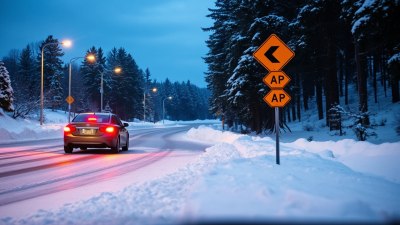
Winter transforms everyday driving into a highly challenging endeavor, where certain road features turn into unexpected hazards. Among these, corners become particularly treacherous spots, often leading to accidents and loss of vehicle control. Understanding why winter turns corners into traps is vital for drivers looking to stay safe during the colder months.
Understanding the Mechanics of Corners in Winter
Driving through corners involves managing complex forces that keep a vehicle on its intended path. When temperatures drop and conditions shift from dry or wet to icy or snowy surfaces, these forces are severely affected. The loss of friction between tires and road surfaces is the crucial factor that transforms a simple curve into a dangerous trap in winter.
Friction is the gripping force that allows tires to stick to the roadway. Without adequate friction, tires cannot generate enough lateral grip to negotiate curves safely. This leads to slipping, skidding, or sliding, which can cause drivers to veer off their lane or lose control entirely.
The Role of Ice Formation on Corners
Corners are often the first areas where ice forms on roads. Several reasons explain this phenomenon, including differential exposure to sunlight, microclimates, and road construction materials. When temperatures hover around freezing, moisture in the air settles on road surfaces and transforms into frost or black ice, an almost invisible layer of ice.
Black ice is especially hazardous because drivers rarely see it and may not adjust their speed or maneuvering accordingly. Corners, shaded by trees, buildings, or elevated terrain, receive less sunlight, making them cooler than straight stretches. This leads to persistent patches of ice that don’t melt during the day, catching drivers off guard.
Effects of Road Design on Winter Corner Safety
Road design plays a significant role in how dangerous a corner becomes during winter. Curves with tight radii require more steering input and greater tire grip to navigate safely. When these conditions combine with icy roads, the challenge to maintain control intensifies.
Additionally, road surfaces that are rough or uneven can complicate traction. Potholes, cracks, or uneven patches collect snow and ice more readily, turning sections of a corner into slippery traps. Drainage design also affects ice formation; poor drainage leads to water pooling and freezing, especially in depressions or at the apex of corners.
Vehicle Dynamics and Winter Conditions at Corners
Vehicle behavior during cornering depends on factors like speed, tire condition, weight distribution, and the type of drive system (front-, rear-, or all-wheel drive). In winter, these dynamics are altered by reduced traction, making standard cornering strategies insufficient.
For example, a vehicle carrying too much speed entering a corner can quickly lose grip when tires encounter ice. Rear-wheel-drive vehicles may experience oversteer, where the rear of the car slides out, while front-wheel-drive vehicles tend to understeer, pushing wide off the curve. All-wheel-drive systems provide better grip but are not immune to the loss of control if conditions turn severe.
Human Factors Contributing to Winter Corner Accidents
Driver behavior plays a pivotal role in winter corner accidents. Misjudging road conditions, taking curves too fast, or making sudden maneuvers can lead to rollover or sliding incidents. The psychological impact of winter driving, such as overconfidence after seeing other vehicles pass safely, can also reduce caution.
Fatigue and distractions significantly impair a driver’s ability to react appropriately to slippery corners. Moreover, decreased visibility during winter snowfalls or fog adds to the problem, making it harder to view approaching curves and adjust driving accordingly.
Preventative Strategies for Safer Winter Cornering
Managing the risks of winter corners requires a blend of preparation, awareness, and technique. First and foremost, reducing speed well below normal limits before entering curves allows more margin for error. Sudden braking or accelerating within a corner can cause loss of traction, so smooth, gradual inputs on the steering wheel and pedals are essential.
Equipping your vehicle with winter tires dramatically improves grip on icy and snowy roads. Winter tires feature specialized rubber compounds and tread designs optimized for low temperatures and increased surface contact. They shrink the risk of sliding by providing stronger friction forces where regular tires falter.
Regular maintenance checks, including tire pressure alignment and brake inspection, further enhance cornering stability during winter months. Additionally, drivers should consider advanced safety technologies such as electronic stability control and anti-lock braking systems, which help maintain control in slippery conditions.
Roadside and Municipal Measures to Mitigate Winter Corner Hazards
Besides individual responsibility, communities and transportation departments implement various tactics to reduce winter accidents on corners. These include timely snow and ice removal, salting and sand spreading, and installing warning signs specific to winter conditions.
Improved street lighting on curves increases visibility during dark winter days and nights, allowing drivers to anticipate turns more clearly. Barriers, guardrails, and rumble strips also offer physical safety nets, preventing vehicles from sliding off the road or into hazardous areas.
Analyses and Statistics on Winter Corner Incidents
Traffic studies consistently highlight corners as high-risk locations for winter collisions. Data shows a notable spike in accidents during the transition months when freezing temperatures alternate with thawing days, increasing ice formation unpredictably.
Insurance reports and highway patrol records often point to loss-of-control crashes as the leading cause of winter accidents at curves. Understanding these statistics helps in formulating targeted driver education programs focusing on slow corner navigation and attention to road surface changes.
Technology’s Emerging Role in Winter Corner Safety
Rapid technological advancements hold promise for further reducing winter corner accidents. Modern vehicles increasingly come equipped with traction control, lane-keeping assist, and forward-collision warning systems that alert drivers to impending hazards.
Future developments include connected car systems that communicate with road infrastructure to transmit real-time information about icy conditions, enabling proactive driver responses. Additionally, autonomous vehicles equipped with sophisticated sensors may vastly improve winter corner safety by calculating ideal speeds and steering angles without human error.
Tips for Drivers Encountering Winter Corners
When approaching a corner in winter, the first step is to reduce speed gradually before entering the turn to minimize the risk of skidding. Avoid abrupt steering changes, braking, or accelerating within the corner, as these can induce traction loss.
Maintain a steady throttle and focus on smooth steering inputs to keep your vehicle balanced. If you detect a slide, resist the urge to slam on the brakes. Instead, gently steer into the direction of the skid to regain control.
Always stay alert and anticipate icy patches, especially in shaded areas or where water may have pooled. Increasing following distance allows for sufficient reaction time should the vehicle ahead encounter trouble on a corner.
The Psychological Impact of Winter Driving Challenges
Winter driving demands heightened concentration and patience, as drivers grapple with reduced visibility, treacherous surfaces, and prolonged travel times. Corners tend to amplify this mental strain, requiring careful judgment and situational awareness to avoid errors.
Stress or anxiety caused by winter hazards sometimes leads to impulsive decisions like abrupt lane changes or panic braking, which worsen cornering risks. Remaining calm and adopting defensive driving habits help mitigate these hazards and improve overall winter safety.
Impact of Weather Variability on Corner Risk
Winter weather is often unpredictable, with conditions ranging from dry to sleet, snow, freezing rain, or black ice. This variability dramatically influences how roads respond to vehicle weight and motion, altering the degree of danger each corner presents.
Freezing rain, for instance, coats road surfaces with a thin transparent glaze of ice, which is more difficult to detect and more slippery than packed snow. Snow accumulation reduces friction but provides more visual cues and tactile feedback than ice, slightly improving driver anticipation.
Rapid changes from precipitation to freezing temperatures create “refreezing” scenarios that make corners temporarily icy even after appearing clear moments before. Awareness of such conditions is crucial to adapting driving strategies promptly.
How Vehicle Preparation Affects Winter Cornering
Preparing a vehicle properly for winter conditions directly influences how well it can handle corners. This includes installing appropriate tires, ensuring brakes are responsive, and checking the suspension for wear that could reduce vehicle stability.
Lowering tire pressure slightly, within manufacturer recommendations, can increase the contact patch and improve grip on low-friction surfaces. Equipping vehicles with snow chains or studs may be required or beneficial in severe winter regions.
In addition, emergency kits containing traction aids, such as sand or kitty litter, and items like a shovel, flashlight, and thermal blankets improve preparedness in case of cornering mishaps or getting stuck.
Training and Education for Winter Corner Safety
Driver education programs emphasizing winter corner safety foster better understanding of vehicle dynamics and hazard assessment. These sessions often include practical exercises on skid recovery, speed control, and safe braking techniques tailored to icy and snowy environments.
Simulated winter driving courses provide hands-on experience with winter hazards in low-risk settings, allowing drivers to build confidence and skills necessary to handle corners safely under real conditions.
Importance of Community Awareness and Cooperation
Widespread awareness about the dangers of winter corners benefits entire communities, encouraging courteous and cautious driving. Local campaigns can promote snow removal reporting, use of appropriate tires, and sharing real-time road condition updates through social media platforms.
Neighbor cooperation in clearing private and less-maintained roads also reduces ice buildup and improves access during winter season, ultimately decreasing corner-related accidents in residential areas.
Future Research Directions on Winter Corner Risks
Ongoing studies aim to refine our knowledge of factors that contribute to winter corner accidents. These include exploring new road surface treatments to reduce ice formation, improving tire compounds for enhanced winter performance, and advancing vehicle control algorithms to better manage low-grip scenarios.
Research into driver psychology during winter cornering may reveal more effective communication strategies and training methods, leading to tailored interventions that reduce accident rates further.
In summary, winter corners become perilous due to a combination of environmental conditions, road design, vehicle dynamics, and human factors. Through understanding these elements and adopting informed driving practices, the risks associated with winter cornering can be significantly minimized.