Why Winter Makes You Regret Every Shoe You Own
Discover why winter weather challenges your shoe collection and how to choose the right footwear to stay stylish and comfortable all season.
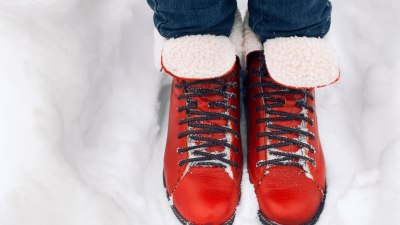
Image by solominphoto on Freepik
Winter is a season that transforms landscapes and lifestyles, but for many, it also reshapes our relationship with footwear. As the cold sets in and snow or rain become frequent companions, suddenly the shoes once favored during warmer months seem utterly inadequate. The arrival of winter highlights the shortcomings of most shoe collections, leaving countless individuals regretting their choices. From discomfort to impracticality, understanding why winter makes you regret every shoe you own can help you prepare better and protect your feet against the harsh season ahead.
Winter Weather and Its Impact on Footwear
One of the primary reasons winter can cause such dissatisfaction with your shoes is the challenging weather conditions. Snow, ice, slush, and heavy rain introduce moisture and low temperatures that most shoes can't handle effectively. Materials that work well in summer or autumn may absorb water, become slippery, or lose insulation in winter, rendering them unsuitable. Footwear designed primarily for fashion often lacks adequate grip and weatherproofing, making daily wear potentially hazardous and uncomfortable.
Furthermore, winter introduces complications such as salt stains from road treatments and grime from melting snow, which can quickly ruin delicate materials like suede or unprotected leather. The combination of moisture and freezing temperatures can make your feet cold, wet, or both, leading to discomfort and even health concerns. These factors conspicuously reveal the inadequacies of shoes you might consider reliable at other times of year.
The Problem With Everyday Shoes in Winter
Many people's shoe collections tend to focus on style and general comfort without considering seasonal needs. Leather dress shoes, stylish loafers, ballet flats, and open-toe options often dominate the wardrobe, but they falter during winter. These shoes typically lack adequate insulation, waterproof qualities, and sufficient traction, all vital for winter safety and warmth.
For example, leather shoes might initially seem robust but can quickly absorb water if not treated or designed to resist moisture. When soaked, leather shoes can become stiff and lose shape, while prolonged exposure to salt and wet conditions may cause permanent damage. Synthetic fabrics or canvas shoes absorb water rapidly and offer minimal warmth, which can lead to cold, uncomfortable feet. As a result, wearing these shoes in winter can feel like a daily struggle.
Why Boots Often Become the Go-To Winter Option
Boots have earned their status as the preferred winter footwear because they address many drawbacks of regular shoes during the cold months. Typically extending above the ankle, boots provide additional coverage, support, and insulation from the cold. Furthermore, winter boots often feature waterproof materials such as treated leather, rubber, or specialized synthetics that prevent water penetration.
With thicker soles and specialized tread patterns, the boots provide better traction and stability on icy or wet surfaces, reducing the risk of slips and falls. Inside, many winter boots include plush linings made of fleece, wool, or synthetic insulation that traps heat, ensuring feet stay warm. These qualities make boots indispensable in winter, but even they require thoughtful selection to meet specific environmental conditions and personal needs.
Common Mistakes in Winter Shoe Selection
Despite the necessity of winter-appropriate footwear, many people make common mistakes when selecting shoes for cold months. One frequent error is prioritizing style over practicality. While fashionable shoes are appealing, winter conditions demand functionality that often conflicts with trends. Ignoring traction features or waterproofing can lead to dangerous situations and discomfort.
Another mistake is assuming that waterproof shoes do not require additional care. Waterproof materials protect feet from moisture but still require maintenance such as cleaning salt stains, reapplying water repellents, and proper drying after use. Neglecting these upkeep steps can degrade the shoe’s effectiveness and longevity.
Additionally, some people underestimate the importance of proper insulation. Even waterproof shoes are insufficient if they don't keep feet warm in freezing temperatures. Insulation helps maintain body heat and prevents numbness or frostbite, especially during extended outdoor exposure. Selecting shoes with inadequate liners or no option to wear suitable socks can result in unpleasant cold feet despite dryness.
The Role of Materials in Winter Shoe Performance
The materials used in winter shoes significantly influence their effectiveness. Leather is a popular choice due to its durability and moderate water resistance when treated, but untreated leather can absorb water. Rubber is commonly used in specialized boots because it offers excellent waterproof protection but may lack breathability and flexibility unless combined with other materials.
Fabrics like Gore-Tex or similar waterproof breathable membranes have revolutionized winter footwear by allowing moisture vapor to escape while blocking external water. This technology helps prevent sweaty feet inside the shoe, which can lead to discomfort and cold feet once outside moisture penetrates. Velvet-textured wool or synthetic microfibers inside shoe linings provide additional insulation and moisture-wicking properties.
Foot Health Considerations During Winter
Winter demands special attention to foot health, as cold and damp conditions can exacerbate problems. Wearing shoes that do not adequately protect or warm the feet can lead to conditions like chilblains, frostbite, or trench foot. Constant exposure to moisture can also contribute to fungal infections like athlete’s foot.
Proper footwear helps maintain foot temperature and dryness, crucial for overall comfort and health. Additionally, shoes with sufficient arch support and cushioning reduce stress on feet and joints, especially when walking on slippery or uneven terrain common in winter. Neglecting these features can result in discomfort, pain, and long-term issues such as plantar fasciitis.
How to Prepare Your Shoe Collection for Winter
To avoid winter shoe regrets, proactive preparation is essential. Start by assessing your current collection for winter suitability, focusing on waterproof capabilities, insulation, and traction. Consider acquiring specific winter boots designed to meet the weather challenges you face. Proper care is equally important: waterproof your shoes using sprays or waxes suitable for their materials to enhance resistance against moisture.
Rotating footwear and allowing shoes to dry thoroughly between wears prevents damage and odor buildup. Investing in high-quality wool or thermal socks complements your shoes by adding warmth. Shoehorns can help maintain the shape and structure by preventing undue stress when putting on boots.
Fashionable Yet Functional Winter Footwear Trends
Winter shoe technology and design have evolved to accommodate both style and function. Influenced by outdoor performance footwear, many brands now offer boots and shoes that integrate waterproof membranes, insulation, and stylish designs suitable for urban environments. Lug soles and rugged treads have become fashionable, providing grip while complementing modern aesthetics.
Colors and materials are more varied, with options like faux fur linings, crushed velvet finishes, and eco-friendly sustainable materials gaining popularity. This evolution means winter shoe lovers need not sacrifice appearance for practicality, helping bridge the gap between comfort and style even in adverse conditions.
Alternatives for Those Who Dislike Bulky Winter Boots
Not everyone enjoys wearing heavy winter boots, which can feel restrictive or cumbersome. Fortunately, alternatives exist to combat winter challenges without resorting to full boots. Waterproof sneaker styles that incorporate insulated linings and rugged soles are gaining traction. They offer a lightweight, casual option that can still perform decently in milder winter conditions.
Galoshes or overshoes can also be paired with regular shoes to add waterproofing without compromising the original shoe style. Additionally, some brands produce lightweight insulated shoes with slip-resistant soles designed to look more like everyday footwear than traditional boots. These solutions provide options without sacrificing warmth and protection.
Tips for Managing Shoe Regret During Winter
If you're already in the midst of winter and regretting your shoe choices, there are practical tips to lessen discomfort. Applying waterproofing treatments immediately may save some shoes from further damage. Using moisture-absorbing inserts like silica gel packets or cedar insoles can improve comfort and reduce odors inside damp shoes.
Carrying a change of socks and backup footwear for emergencies can prepare you for unexpected weather volatility. Employing shoe cleaners and conditioners designed for winter wear materials will help maintain appearance and durability. If slip-resistant traction is lacking, consider stick-on grips or sole pads to improve safety temporarily.
Looking Ahead: How Climate Change Affects Winter Footwear Needs
Changing weather patterns due to climate change introduce new uncertainties for seasonal footwear. Winters may be milder in some regions but more intense or unpredictable in others. This variability demands adaptable footwear solutions that can handle a wider range of conditions. Designers focus more on versatile materials and modular designs to accommodate fluctuating temperatures and moisture levels.
Consumers may need multiple pairs optimized for different winter scenarios, emphasizing sustainability and durability to reduce waste. The future of winter footwear likely includes smart materials that adjust insulation or water resistance dynamically, ensuring optimal comfort regardless of weather.
How to Choose the Right Winter Shoes for Your Lifestyle
Choosing winter shoes depends heavily on your daily activities and environment. Urban dwellers often require shoes that balance weatherproofing with style suitable for work and social occasions. Those in rural or mountainous areas prioritize ruggedness, warmth, and extended protection necessary for snowy or icy terrain.
Consider factors like average temperature, precipitation type, and typical walking surfaces when selecting shoes. Reflect on how long you'll spend outdoors and the level of activity to determine insulation and support needs. Personal comfort should guide your choice, but practicality must take precedence to avoid regret as seasons change.
Winter inevitably exposes the weaknesses in most shoe collections, often leading to regret as many realize their footwear is ill-equipped to face the elements. Understanding the demands of winter weather and selecting shoes based on insulation, waterproofing, traction, and comfort can prevent these frustrations. Careful preparation, regular maintenance, and informed purchases can transform winter footwear from a burdensome necessity to a comfortable, stylish asset that makes cold, wet conditions manageable rather than miserable. Investing time and resources in the right winter shoes ensures your feet remain warm, dry, and safe through the season’s challenges.